2026 Toyota Grand Highlander Review: Great Fuel Economy But So Much Cheap Plastic
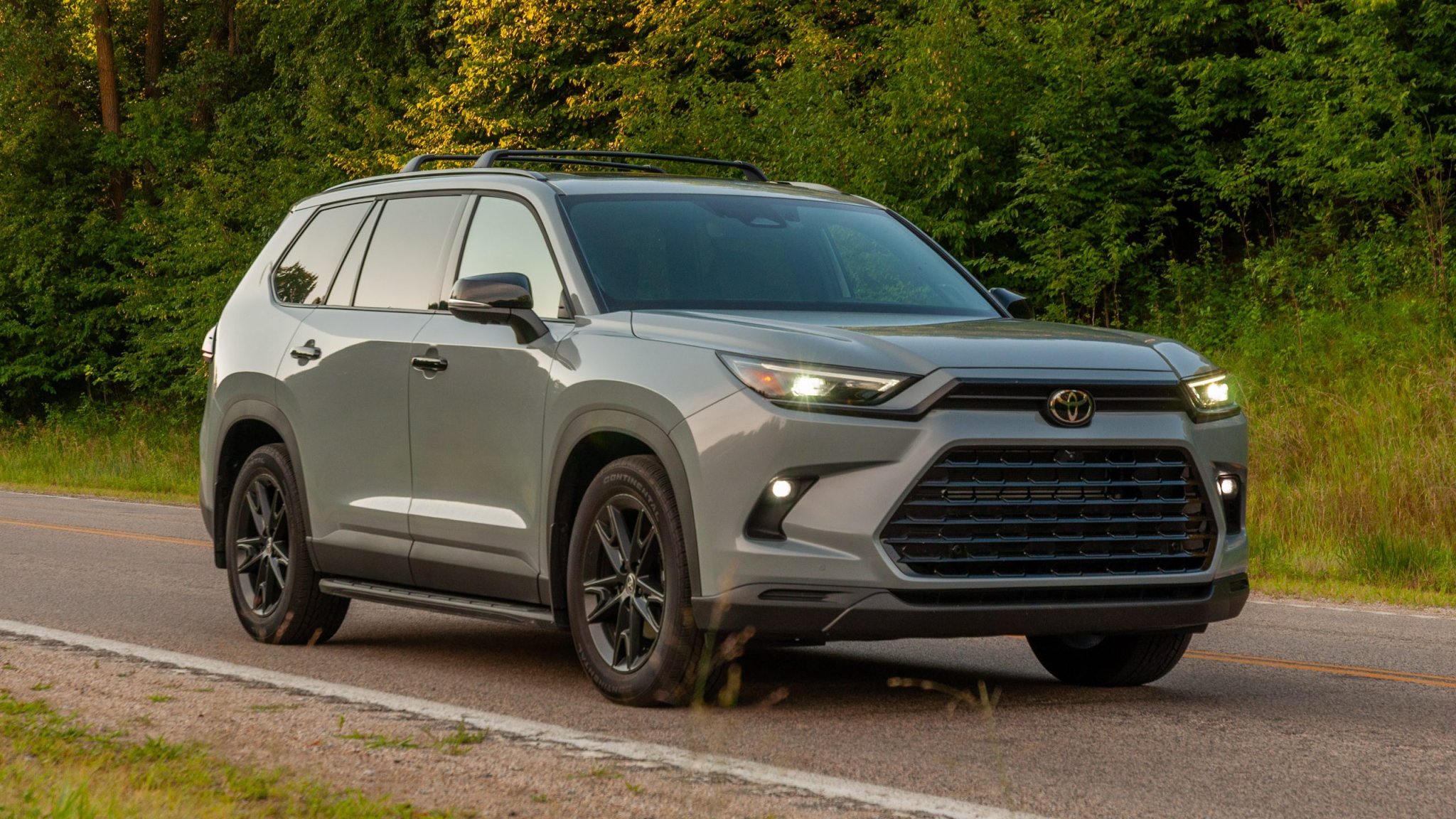
The Drive finds Toyota's 2026 Grand Highlander Hybrid delivers strong fuel economy but undermines its value proposition with cost-cut interiors and outdated tech.
2 comments
Sign in to join the discussion.
Sign inToyota's interior cost-cutting in a high-volume family hauler exposes a dangerous complacency—when safety perception tracks with cabin quality, ADAS trust suffers alongside perceived build integrity. Buyers equate cheap touchpoints with engineering shortcuts everywhere, a halo effect that undermines confidence in the collision avoidance and AEB systems that actually matter for crash mitigation in these heavy three-row platforms. The competitive risk is acute: Korean OEMs now bundle superior HMI ergonomics with equivalent hybrid systems, making driver interaction with safety-critical functions smoother and reducing mode confusion errors. Toyota needs to recognize that families choosing electrified SUVs evaluate the entire human-machine interface as a safety system—outdated infotainment directly degrades driver attention budgets. Operators should benchmark Korean competitors' cabin integration strategies immediately; this isn't aesthetics, it's operational safety architecture losing ground to rivals who understand that trust is built holistically.
Toyota's hybrid propulsion architecture remains technically sound—proven thermal management, reliable battery integration—but the cost-cutting visible in cabin finishes hints at a deeper strategic miscalculation around certification value perception. Regional mobility operators evaluating three-row hybrids for fleet electrification don't just assess powertrain durability; they weigh total ownership credibility, where interior resilience signals long-term structural integrity and resale confidence. The real risk isn't lost individual sales—it's that Toyota may be ceding the *institutional buyer* segment just as municipalities and corporate fleets accelerate hybrid procurement for school transport and employee shuttles. When Hyundai-Kia match the efficiency while projecting material solidity, fleet managers default to the brand that feels engineered holistically, not selectively. Toyota needs certification-grade interior standards across volume models to retain that fleet trust.