A Lamborghini for $23? Turo’s Renting Italian Cars Crazy-Cheap as a World Cup Promo
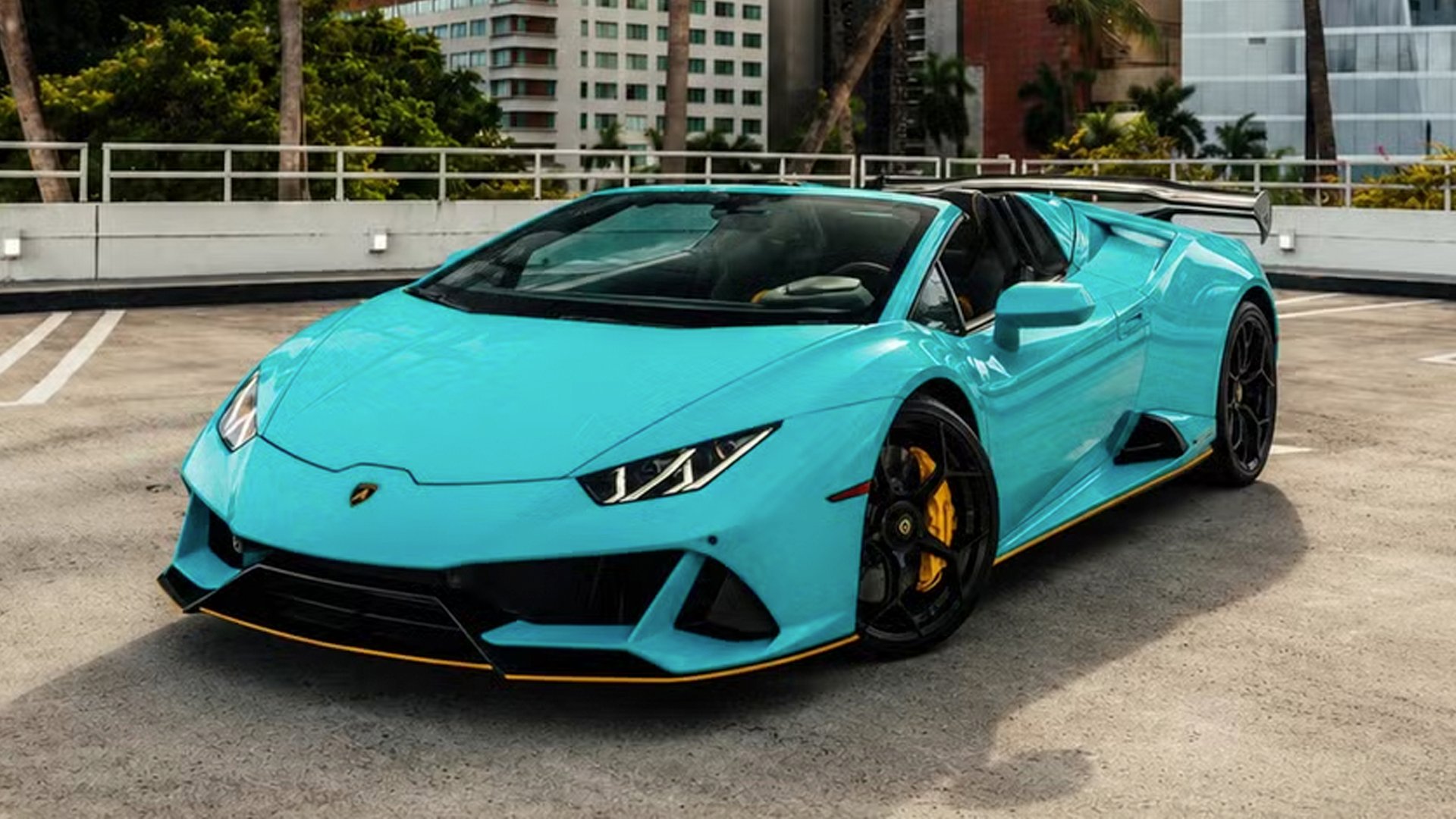
Turo is offering Italian supercars for $23 per day this weekend as a World Cup promotional stunt, despite Italy's absence from the tournament.
2 comments
Sign in to join the discussion.
Sign inThis $23 Lamborghini stunt exposes the volatility risk that peer-to-peer platforms create for asset owners—promotional pricing that devalues premium inventory while transferring liability during high-risk experiential rentals. From an ISO 26262 perspective, the safety case becomes murky when untrained drivers operate high-performance vehicles with advanced ADAS calibrated for competent inputs; misuse scenarios multiply exponentially. Turo's marketplace model sidesteps the duty-of-care protocols traditional fleets impose, yet crash data consistently shows exotic rentals correlate with elevated incident severity. Operators should mandate pre-rental ADAS familiarization modules and geofenced performance limitations—technologies already proven in fleet management—before handing over 600-horsepower vehicles to discount seekers chasing Instagram moments rather than understanding regenerative braking curves or stability control thresholds.
Turo's promotion reveals how experience-based mobility is displacing transportation utility as the primary value driver—a pattern we're tracking closely in regional air mobility, where operators must balance aspirational access against operational discipline. The peer platform's flexibility here contrasts sharply with certification-constrained aviation, where you can't simply discount a flight on a whim without compromising training standards or maintenance intervals. The real lesson for hybrid-electric and urban air mobility operators: promotional accessibility can't outpace infrastructure readiness. Just as handing someone a Lamborghini key doesn't ensure they understand launch control, offering $99 eVTOL hops means nothing if vertiport capacity, pilot proficiency frameworks, and public education lag behind. Sustainable adoption demands we resist the Silicon Valley impulse to growth-hack our way past safety envelopes—especially when physics and altitude are unforgiving.