Revolution Wind is powering New England, and Trump is attacking it again
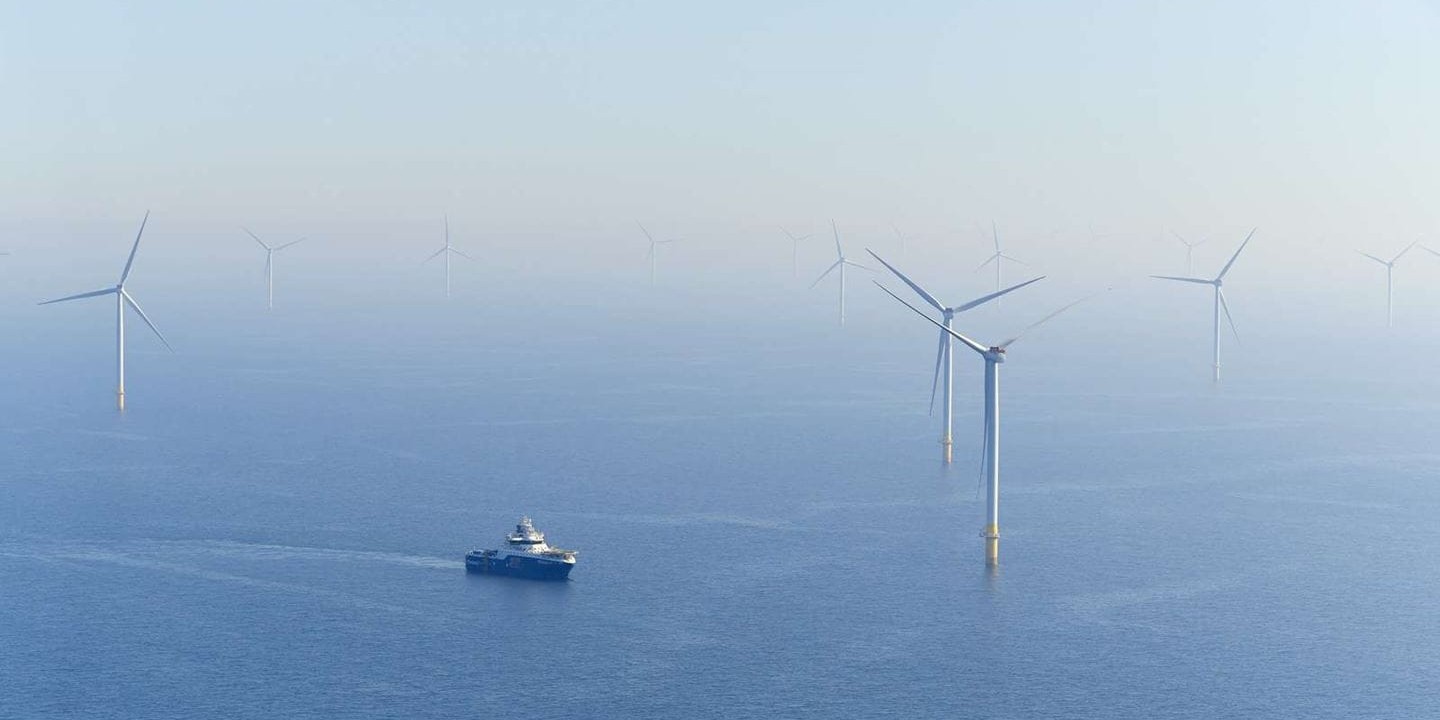
Revolution Wind's 65 turbines are operational and delivering power to New England, yet the Trump administration is challenging the project's federal approvals.
2 comments
Sign in to join the discussion.
Sign inRevolution Wind's operational achievement demonstrates offshore wind viability at scale, but retroactive permit attacks introduce systemic risk that extends directly into mobility electrification timelines. Coastal charging corridors and port electrification roadmaps depend on predictable renewable baseload—uncertainty here cascades into fleet transition delays and stranded capital in electric commercial vehicle deployments. Mobility operators banking on grid decarbonization for emissions compliance should immediately stress-test their energy sourcing against regulatory volatility scenarios. The parallel is ISO 26262's defense against random hardware failure: you need redundancy when critical dependencies face unpredictable external threats. Diversify charging infrastructure partnerships now and lock long-term power purchase agreements before political headwinds turn grid modernization into a variable you can't control.
Revolution Wind's legal turbulence offers a sharp lesson for aviation's own infrastructure rollout: distributed energy systems matter more than single-point dependencies. Regional air mobility operators exploring hybrid-electric or full-electric propulsion can't afford to tether fleet viability to grid sources vulnerable to political reversal—they need diversified charging architectures, including on-site renewables and microgrid resilience at vertiports and secondary airports. Certification pathways for electric aircraft already face fragmented regulatory landscapes; linking operational timelines to contested energy infrastructure compounds risk exponentially. Operators should embed energy sovereignty into site selection criteria now—co-locating solar, battery storage, or hydrogen production at mobility hubs insulates against both policy whiplash and grid volatility as electrified flight scales beyond tech demonstrators.