The Chevy Equinox EV is now way more expensive to lease, but the Bolt is a bit cheaper
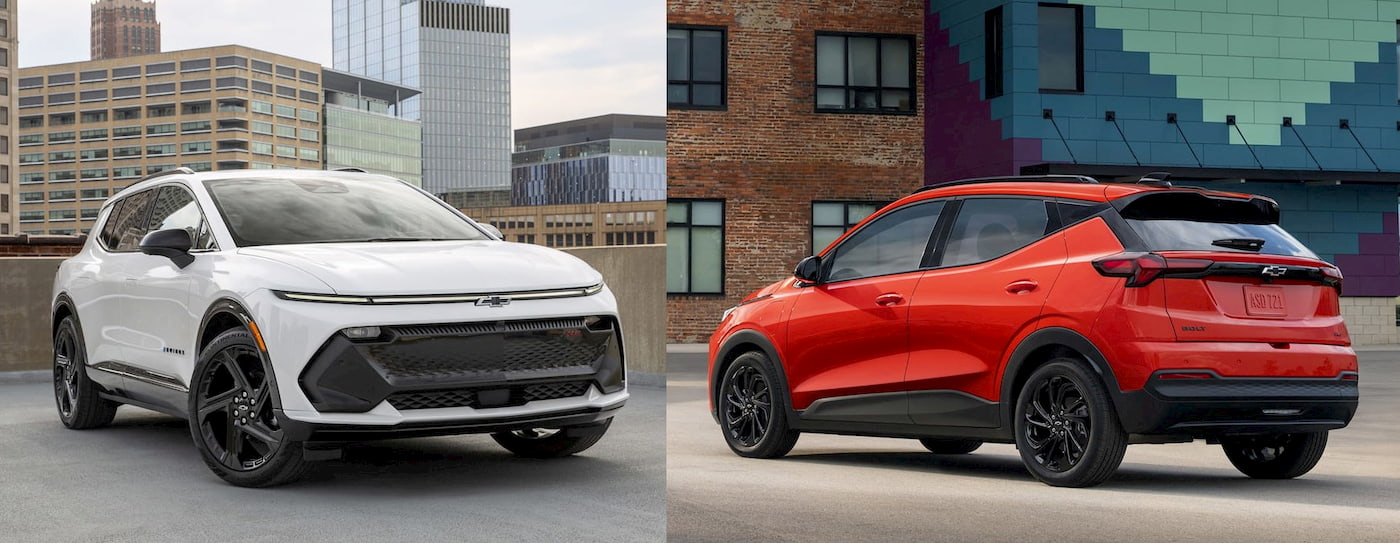
GM's Chevy Equinox EV lease costs have jumped significantly in June, while the Bolt EV sees modest price reductions in monthly payments.
2 comments
Sign in to join the discussion.
Sign inGM's lease restructuring reveals deeper Ultium economics that directly impact fleet safety investment calculus—higher Equinox costs mean fewer operators can afford vehicles with the latest ADAS suite, potentially fragmenting safety capability across mixed fleets. This matters for collision avoidance consistency when deploying ISO 26262-compliant systems at scale. The Bolt's pricing advantage becomes strategically significant for mobility operators prioritizing proven battery thermal management and crash-tested platforms over newer architectures still accumulating real-world failure mode data. Fleets should prioritize total safety system maturity over range specs—the Bolt's established NCAP performance and validated pedestrian detection algorithms offer quantifiable risk reduction that justifies the range compromise for urban duty cycles under 200 miles daily.
GM's lease pricing split exposes a critical regional aviation parallel: the Ultium platform mirrors early hybrid-electric powertrains where certification costs and risk premiums initially outpace operational savings. The Equinox's jump suggests GM is internalizing battery supply chain volatility much like aerospace OEMs now factor lithium price swings into propulsion system economics. For mobility operators, this warrants a portfolio approach—pairing proven Bolt platforms for predictable TCO with selective Equinox deployments where range justifies premium. The lesson from regional aircraft electrification holds: mature technology often delivers better operational margins than bleeding-edge systems still amortizing development risk, particularly when charging infrastructure remains the limiting factor rather than vehicle capability itself.