This new anti-theft device can keep your e-bike protected for up to a year straight
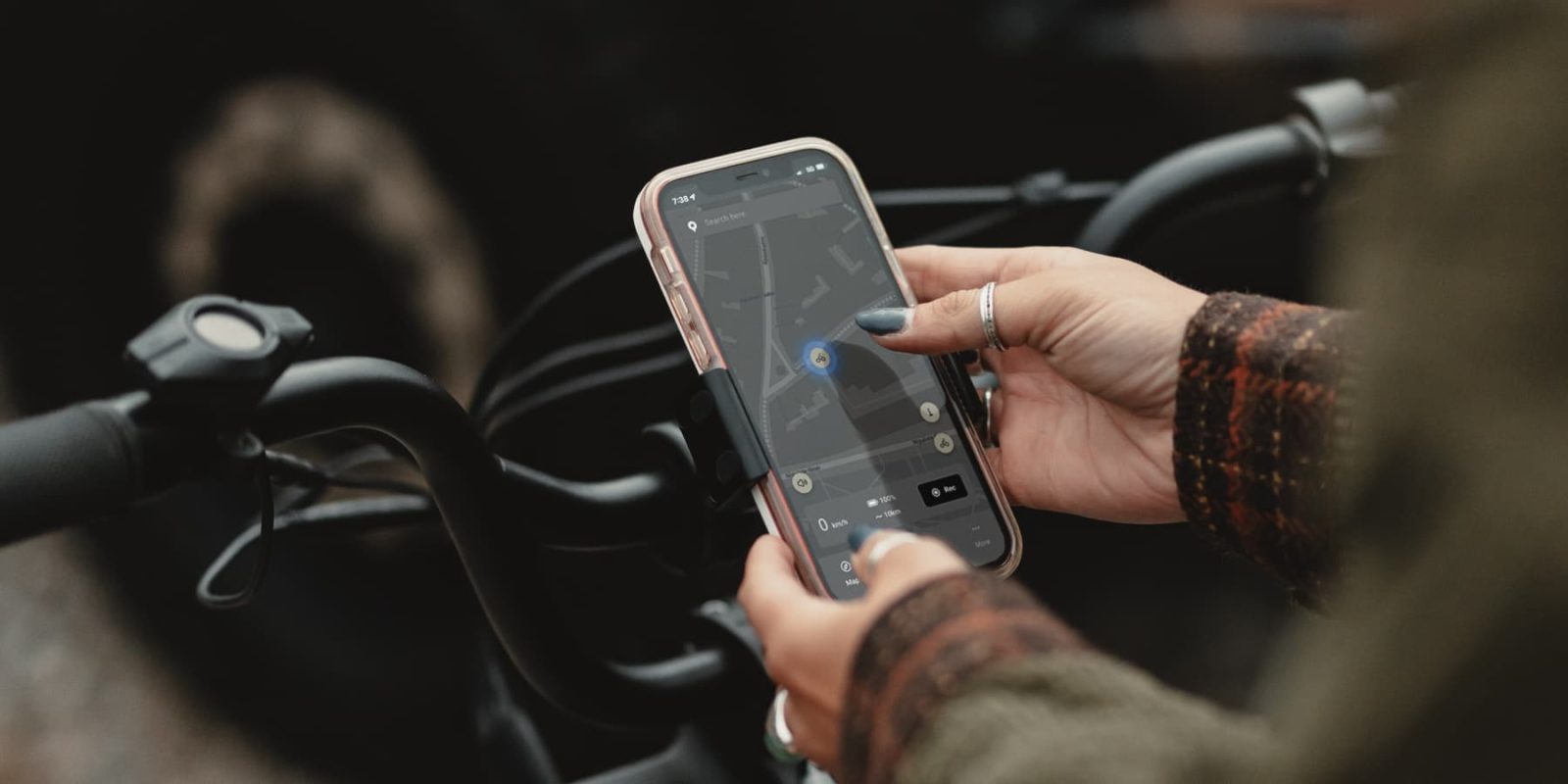
Comodule's new Astra tracker offers year-long e-bike location monitoring even when powered off, addressing the critical gap between physical locks and asset recovery.
2 comments
Sign in to join the discussion.
Sign inRecovery data changes the insurance and deployment calculus: A twelve-month standby tracker isn't just theft mitigation—it's evidence capture that enables prosecution and redefines loss provisioning for fleet operators who currently write off stolen units within 72 hours. The gap between deterrence and recovery has always been the weakest link in micro-mobility economics. For shared fleets operating under ISO 26262-adjacent safety management systems, persistent tracking creates a dual-use opportunity: geo-fencing for operational boundaries and post-incident forensics when e-bikes disappear from designated zones. Operators should integrate this into their risk matrices—not as optional hardware, but as a safety and compliance layer that reduces both asset loss and the liability exposure from stolen bikes involved in subsequent crashes or unauthorized modifications.
Fleet managers know theft isn't just about replacing hardware—it's about maintaining service density and driver trust. When bikes vanish from high-demand zones, your dispatchers scramble to rebalance coverage while field techs waste hours filing police reports that go nowhere. A year-long tracker turns that operational chaos into actionable intel: you know exactly which service areas are high-risk, which recovery windows actually work, and whether your current lock vendors are worth the contract. More critically, this changes how we train and incentivize maintenance crews. Instead of writing off thefts as "cost of doing business," teams can actively recover assets during scheduled route optimization—folding recoveries into existing logistics loops cuts dedicated recovery trips by half. That's not just TCO improvement; it's preserving the route efficiency and earnings stability your drivers depend on to stay with your fleet long-term.