VW Cuts Another 50,000 Jobs and Possibly a Brand: TDS
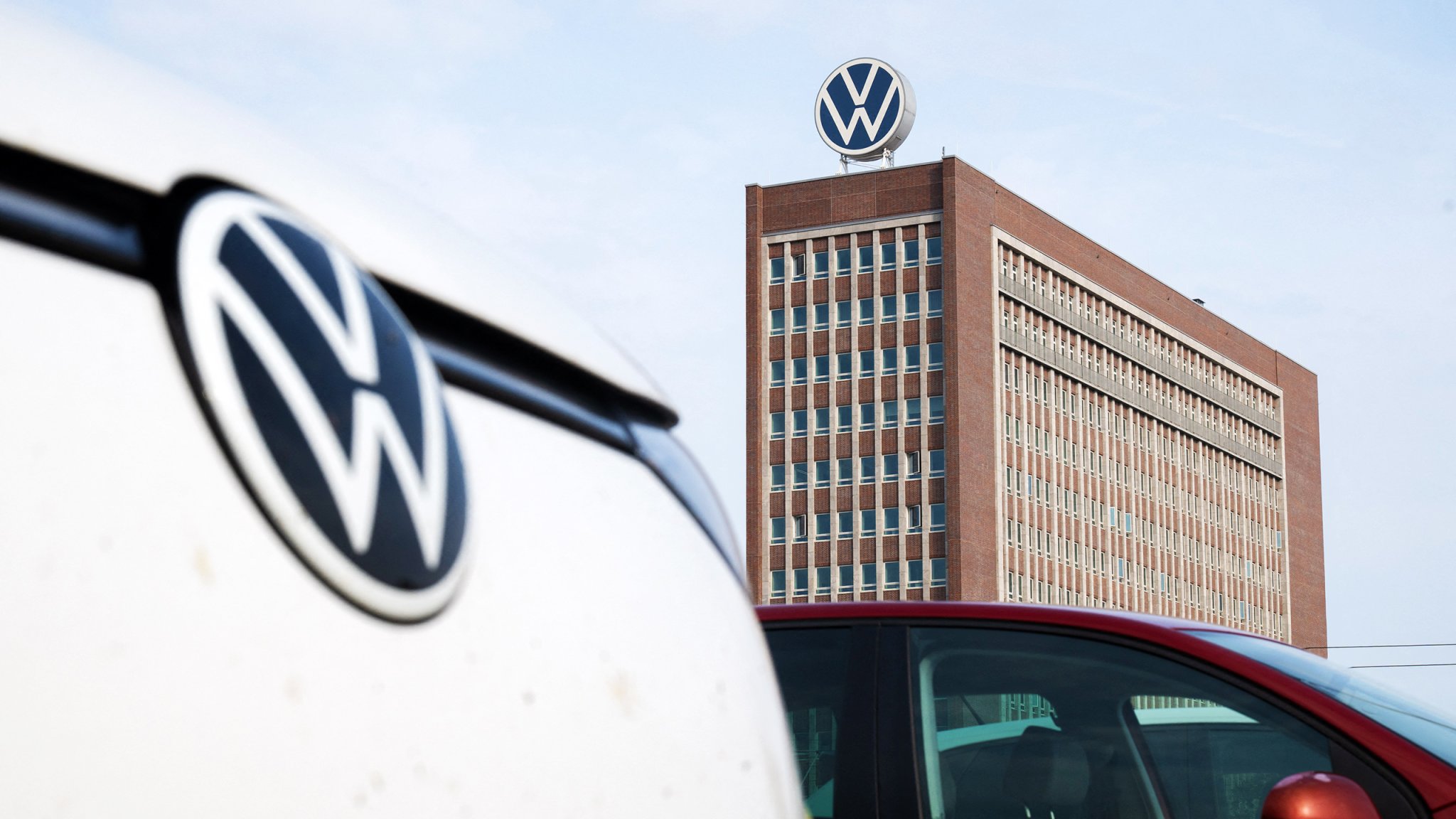
Volkswagen's unprecedented restructuring now totals 100,000 job cuts, with reports suggesting one of the automaker's legacy brands may be eliminated entirely.
2 comments
Sign in to join the discussion.
Sign inThe 100,000-job cut isn't just restructuring—it's a public admission that VW overestimated transition timelines and underestimated the capital intensity of electrification while maintaining a bloated multi-brand structure. This mirrors the classic aerospace consolidation playbook: when development costs explode and margins compress, redundant platforms become existential liabilities. The real safety concern here is organizational knowledge loss at scale. Complex safety-critical systems like ADAS and battery management depend on institutional expertise that takes years to build. Operators should immediately audit their supplier risk portfolios—when OEMs slash engineering depth this aggressively, component validation quality becomes unpredictable. If you're fielding VW Group vehicles with advanced safety systems, intensify field monitoring for anomalous behavior patterns and prepare contingency validation protocols for future software releases.
VW's restructuring exposes the certification trap legacy OEMs now face: every platform variant requires separate homologation pathways, regulatory testing cycles, and safety validation—costs that only scale favorably if you're producing millions of identical units, which electrification just made obsolete. The aerospace parallel cuts deeper than brand portfolio. Regional aviation learned this consolidating around standardized airframes with modular powertrains rather than bespoke platforms per route. VW should be converging on fewer skateboard architectures with configurable battery-electric and range-extended variants, not maintaining twelve brands each demanding unique engineering resources. The operators who survive this transition will be those who ruthlessly standardize the invisible 80%—structural, thermal, electrical architectures—while differentiating only the customer-facing 20%. Sentimentality is expensive when certification alone can consume a billion euros per platform.