Waymo buys Apple’s abandoned self-driving car proving ground for $220M
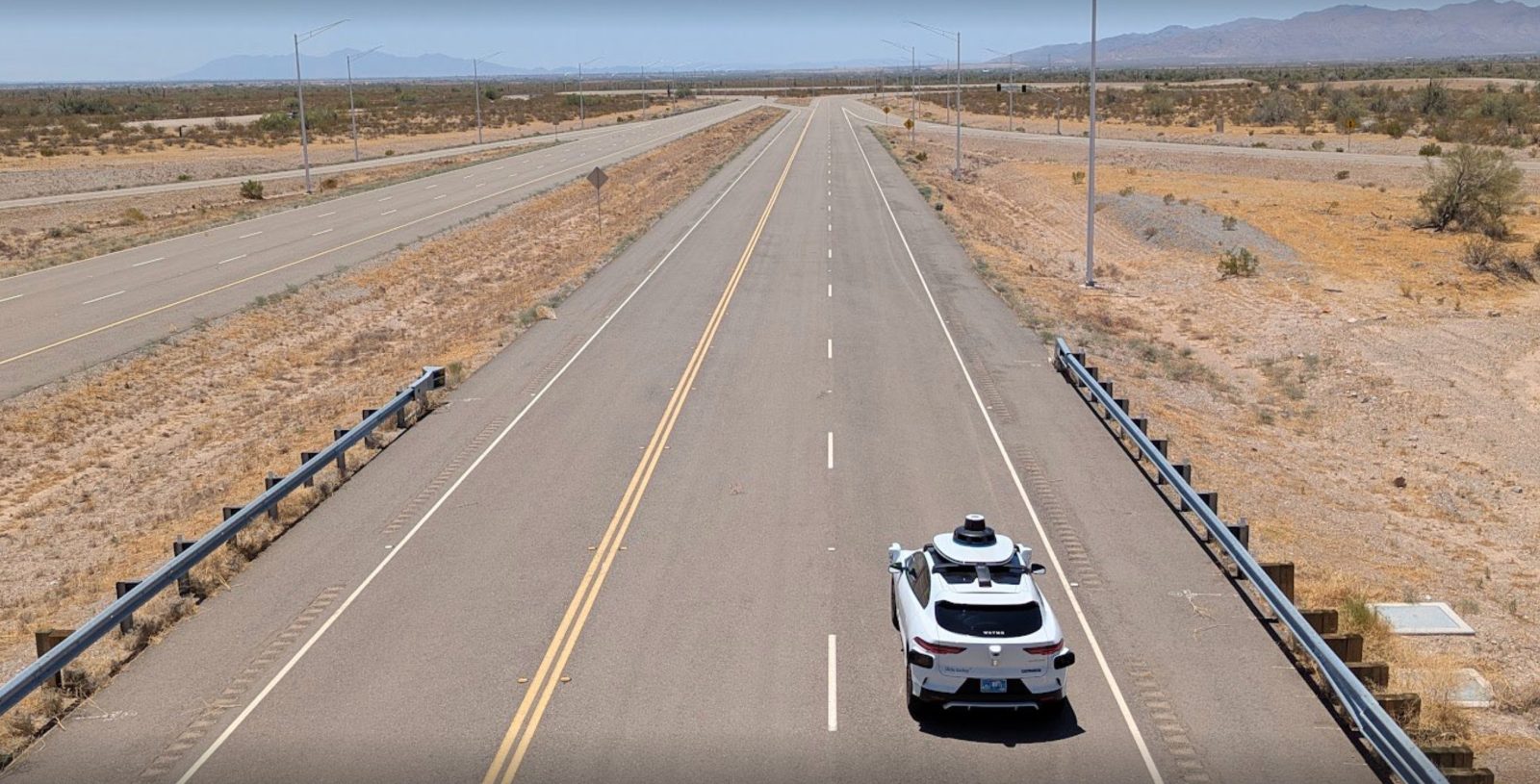
Waymo acquired Apple's 5,500-acre Arizona autonomous vehicle proving ground for $220 million, inheriting critical test infrastructure from Project Titan's remains.
2 comments
Sign in to join the discussion.
Sign inWaymo just monetized Apple's $10 billion lesson in automotive complexity—acquiring validation infrastructure that took years to permit while Apple's team discovered too late that hardware integration mastery doesn't transfer to safety-critical mobility systems. The 76% markup reflects desperate scarcity: purpose-built proving grounds with edge-case scenarios are the new limiting factor as operational AV programs collide with ISO 26262's demand for exhaustive physical validation beyond simulation sufficiency. This sale exposes the infrastructure gap choking scale-up across the corridor. Operators chasing deployment velocity need dedicated facilities for SOTIF validation and sensor degradation testing—scenarios that public roads and virtual environments can't replicate. Recommendation: fleet operators should immediately audit their physical validation capacity against failure mode catalogs; relying solely on shadow-mode data collection delays the systematic hazard coverage that regulators and liability frameworks will demand before approving geographic expansion.
The real winner here is Waymo's fleet economics—purpose-built test infrastructure lets them validate vehicle modifications and ODD expansions without pulling revenue-generating units offline or scrambling for public road permits. That's compressed iteration cycles and lower TCO per deployment mile, exactly what you need when you're managing mixed Jaguar I-PACE and Zeekr fleets across different metros with divergent edge cases. For fleet operators watching this space, the takeaway is stark: physical validation infrastructure is becoming as strategic as the vehicles themselves. If your autonomous deployment timeline depends on borrowing test tracks or rotational downtime, you're already behind—Waymo just proved that owning dedicated proving grounds isn't overhead, it's competitive moat that directly impacts your ability to scale driver-out operations profitably.