Sign in
All episodes
URBAN MOBILITY SYSTEMS·DEEPDIVE· 2:34

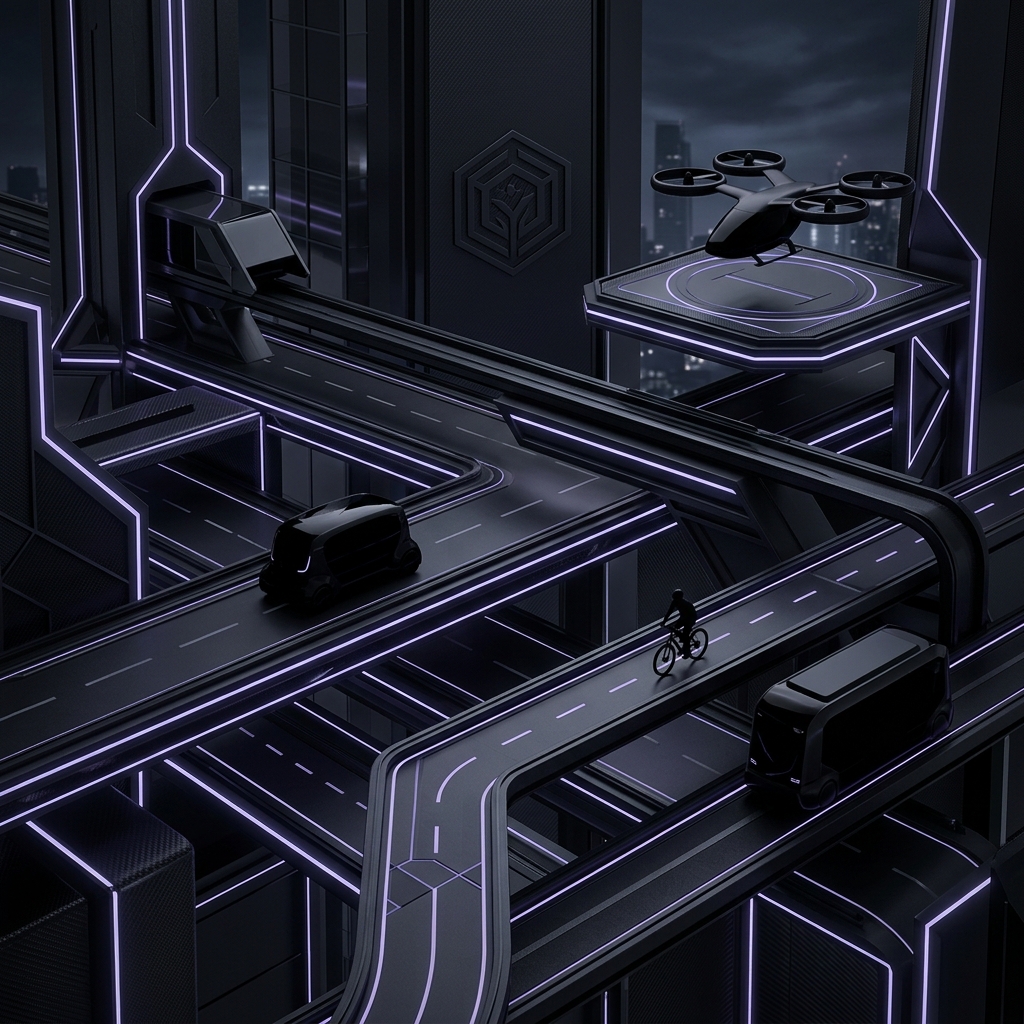
Multi-Modal Dispatch: Routing a Rider Across 4 Vehicles

Explore how multi-modal dispatch optimizes urban mobility by seamlessly routing riders through four distinct vehicles.
0:000:00

Show notes

  • TL;DR: Multi-modal dispatch enhances urban mobility; Leverages four vehicle types; Aims for efficient routing; Discusses key trade-offs and future prospects.
  • Architecture overview: The multi-modal dispatch system is architected around a centralized routing algorithm that takes real-time data from various transportation modes, integrating inputs from bikes, buses, rideshare, and trains to create optimal travel plans for users, all while maintaining a robust user interface and seamless transitions.
  • Trade-offs: While optimizing for efficiency and user preference, a multi-modal dispatch system must balance latency against route simplicity, considering whether the added complexity of switching vehicles provides significant time savings or satisfaction for the rider, potentially introducing delays in real-time updates depending on congestion and network conditions.
  • Further reading: 1. "Multi-Modal Transportation Systems: A Review" by Smith et al.; 2. "The Future of Urban Mobility: Trends and Technologies" by Johnson; 3. "Routing Algorithms for Multi-Modal Urban Transit" by Lee.
  • Lock it in — quiz

    1. What does multi-modal dispatch aim to achieve?

    2. When might multi-modal dispatch NOT be preferred?

    3. What technology is crucial for real-time updates in multi-modal dispatch?

    SHARE