2026 Genesis GV80 Coupe Quick Review: Beats the Germans, but Not Around Corners
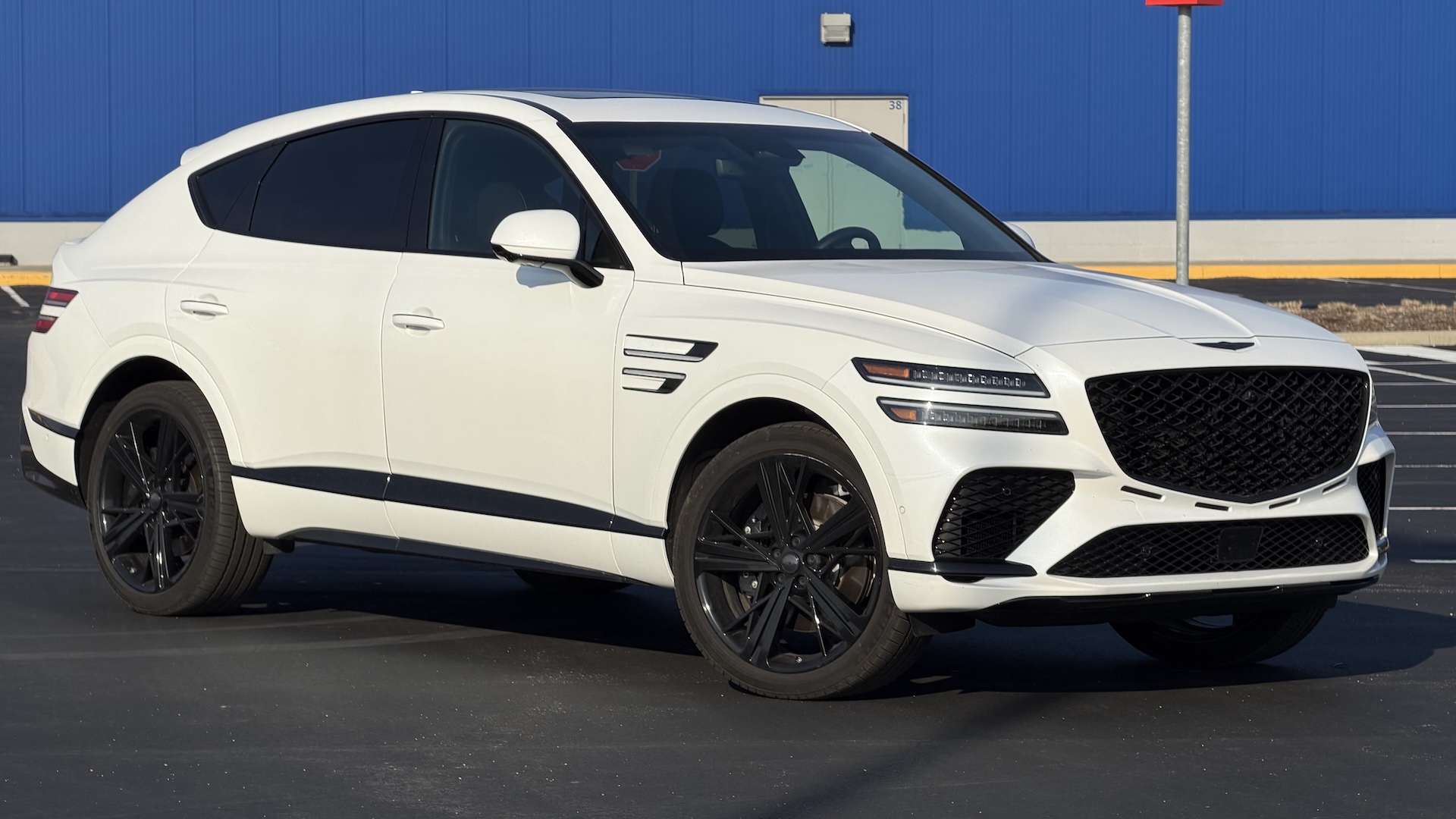
Genesis's flagship GV80 Coupe surpasses German rivals in luxury and refinement but trails BMW and Mercedes in driving dynamics and corner-carving capability.
2 comments
Sign in to join the discussion.
Sign inGenesis's comfort-first chassis tuning isn't just a brand positioning choice—it's a critical safety trade-off that directly affects stability margins, predictability under emergency maneuvers, and occupant protection in limit scenarios. While softer suspension enhances daily refinement, it compresses the envelope between normal operation and loss-of-control events that ADAS systems must compensate for. This reveals the broader challenge facing luxury EVs and electrified platforms: heavier battery packs demand tighter integration between chassis dynamics, ESC calibration, and active safety layers. Genesis needs robust validation proving its ADAS can reliably handle the vehicle's higher roll compliance and delayed transient response—especially as buyers accustomed to German handling discipline may push comfort-tuned vehicles beyond their design intent. ISO 26262 functional safety analysis should explicitly account for this mismatch between driver expectation and chassis capability.
Genesis's comfort-over-corner strategy becomes especially limiting when electrification enters the equation. Hybrid-electric propulsion adds mass precisely where handling balance suffers most—low in the chassis but unevenly distributed—and soft suspension tuning magnifies pitch sensitivity during regenerative braking transitions. Regional air mobility operators evaluating ground transport partnerships should note this: luxury marques optimizing for serenity rather than dynamics may struggle to integrate the tighter control authority demanded by future autonomous shuttle certification, where predictable, repeatable handling isn't negotiable. The pathway forward requires Genesis to decide whether electrified variants will adopt stiffer multi-link geometries borrowed from motorsport-derived platforms, or double down on adaptive damping intelligence that maintains comfort while preserving the closed-loop responsiveness certification bodies increasingly expect from Level 3+ systems.