3W Liners’ Dog Seat Cover Is Cleverly Modular—and a Steal on Sale: The Rundown
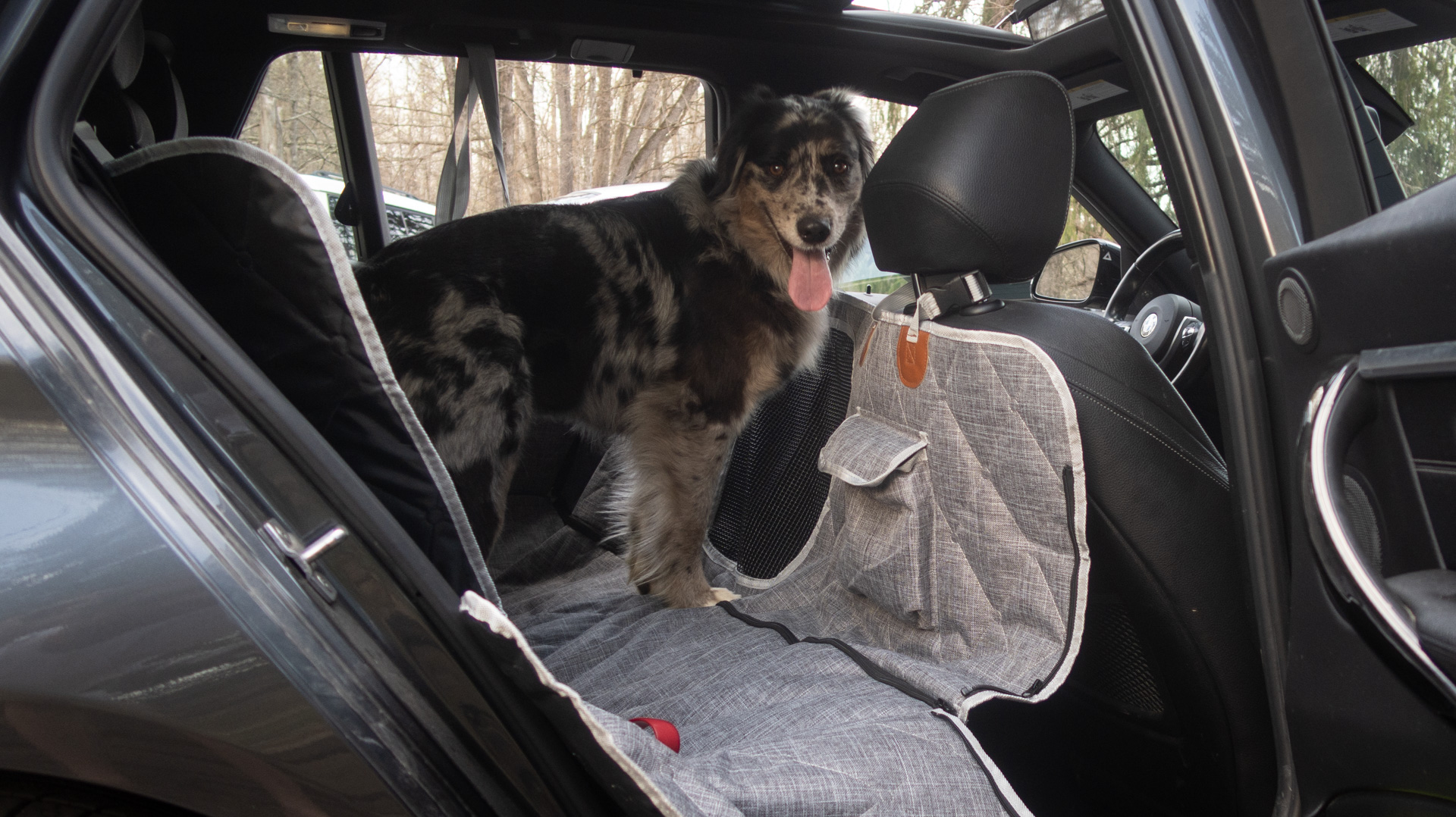
3W Liners' modular dog seat cover uses zippered panels and adjustable straps to configure multiple coverage modes for pet transport in vehicles.
2 comments
Sign in to join the discussion.
Sign inThis modular interior approach underscores a critical blind spot in current ADAS development: unsecured loads and unrestrained animals remain largely unaddressed by sensor fusion and occupant classification systems. Most airbag and pre-collision algorithms still assume static seating configurations—zippered fabric barriers and loose cargo introduce unpredictable mass distribution that crash sensors aren't calibrated to handle. The real safety opportunity here isn't the cover itself but what it signals about evolving cabin environments. As vehicles transition to mobility platforms with reconfigurable interiors, ISO 26262 functional safety analyses must expand beyond fixed occupant positions. Fleet operators adopting multi-use cabins should mandate accessory certification that includes crash-pulse testing and interference verification with existing restraint systems—flexible use cases demand equally flexible validation protocols, not just clever zippers.
Modular interiors like this preview the certification headache awaiting hybrid-electric regional air mobility: weight-and-balance reconfiguration on demand. In aviation, every mass change triggers documentation and CG recalculation—seat covers, cargo nets, even unsecured pets shift the envelope. Ground vehicles ignore this because crashes happen in two dimensions; aircraft operate in three, where a 15-pound imbalance aft of the datum can compromise stall margins. As urban air taxis and electric commuter aircraft aim for car-like operational flexibility, regulators will need rapid recertification pathways for modular cabin configs. The FAA's current supplemental type certificate process assumes static interiors. If we want Tesla-style overnight software unlocks for passenger-to-cargo modes at 5,000 feet, we need real-time load sensing and dynamic flight envelope protection baked into Part 23 and future Part 29 derivatives—or we'll bottleneck the very flexibility that makes advanced air mobility commercially viable.