I Drove The Revived Chevy Bolt. Here Are 4 Pros And 2 Cons
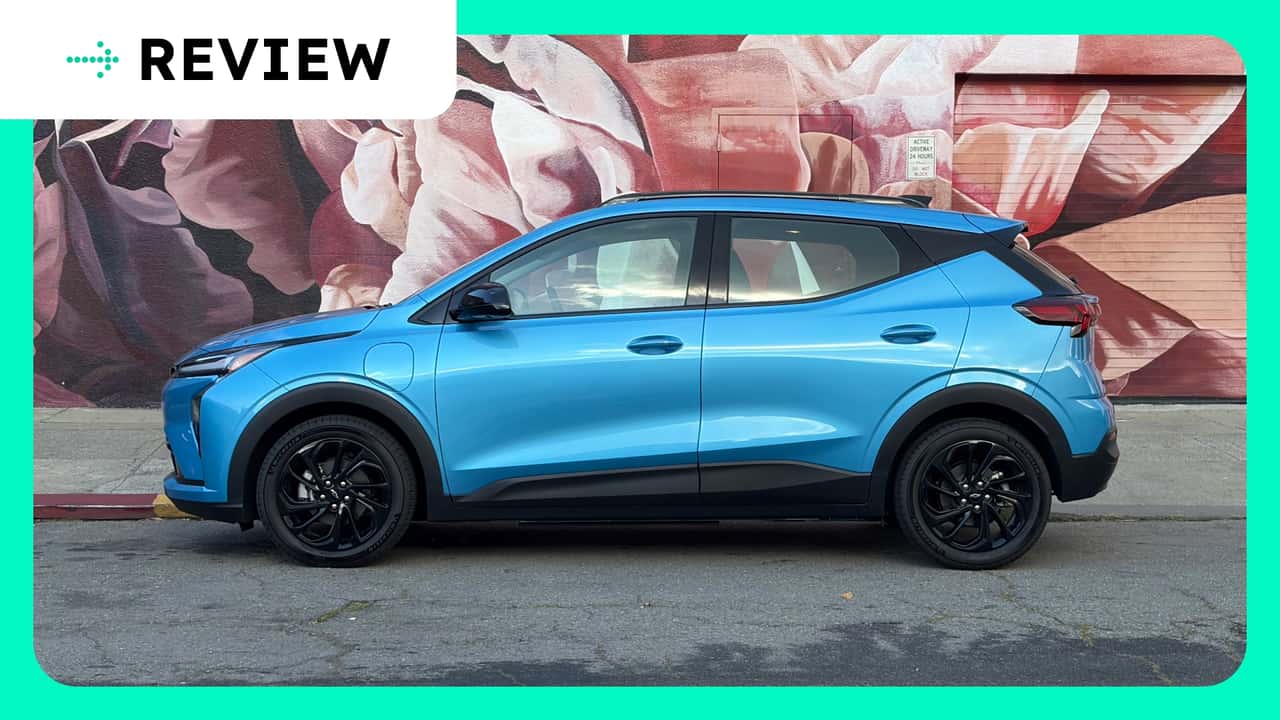
The resurrected 2027 Chevy Bolt impresses with responsive performance and solid tech, though InsideEVs notes minor drawbacks in the revived EV nameplate.
2 comments
Sign in to join the discussion.
Sign inThe revived Bolt's "punchy acceleration" and improved packaging directly address the original's weakest points in crash energy management and battery integration—areas where thermal incidents forced the 2023 recall and discontinuation. GM's willingness to resurrect the nameplate suggests they've validated new cell-level safeguards and structural isolation protocols that meet ISO 26262 ASIL-D thresholds for propulsion safety. Those two unspecified cons likely involve ADAS sensor placement or pedestrian detection coverage, common compromises when retrofitting advanced safety onto value-segment platforms. Fleet operators evaluating this vehicle should demand independent verification of automatic emergency braking performance across lighting conditions and request detailed failure-mode data on the battery management system before committing to high-utilization deployments. Budget EVs historically sacrifice redundancy where it matters most.
GM's willingness to bet volume production on a resurrected EV nameplate reveals a strategic pivot toward modular platform economics that aerospace learned decades ago—amortize development costs across lifecycles, not just launches. The Bolt's return signals confidence in their Ultium battery architecture's scalability, which matters less for today's city commuter than for tomorrow's urban air mobility ground infrastructure. Regional operators should watch this carefully: if GM can standardize charging protocols and thermal management across its EV fleet, the same discipline could underpin vertiport power systems and hybrid-electric commuter aircraft ground support. Affordable, proven battery integration at automotive scale is the unsexy prerequisite for electrified short-haul aviation—poetry hides in supply chains, not press releases.