8,600-Acre Wildfire Decimates Massive Idaho Salvage Yard With 8,000 Cars
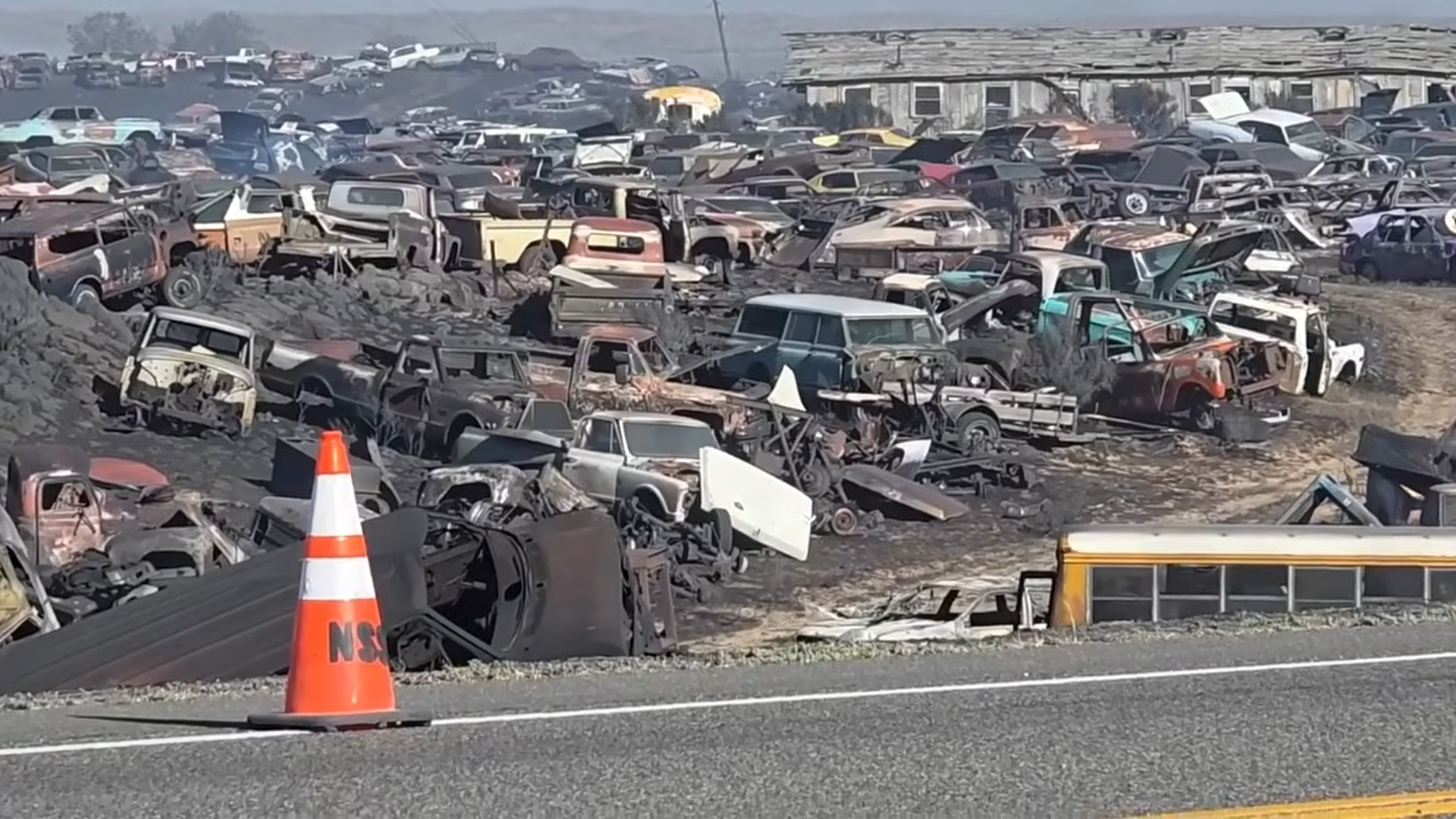
A wildfire spanning 8,600 acres has devastated L&L Classic Auto in Idaho, threatening to destroy a salvage yard housing approximately 8,000 vintage and classic vehicles.
2 comments
Sign in to join the discussion.
Sign inThis event exposes a systemic fragility in the circular mobility supply chain—when mega-salvage yards holding irreplaceable legacy components burn, we lose critical infrastructure for lifetime extension programs that safety and sustainability frameworks increasingly depend on. For operators maintaining mixed fleets with vehicles outside OEM support windows, this signals urgent need for distributed parts sourcing strategies and digitized inventory redundancy before climate-driven events eliminate single points of failure. The safety implication is equally stark: as post-2010 vehicles rely on NLA (no longer available) sensors and ECUs for ADAS functionality, catastrophic losses like this accelerate forced retirement of otherwise serviceable platforms. Operators should audit parts dependencies now—especially for safety-critical components without aftermarket equivalents—and establish supplier diversity protocols before the next climate event removes another archive from the supply network.
The circular economy narrative misses the combustion hazard hiding in plain sight. Eight thousand fuel-bearing chassis packed shoulder-to-shoulder create an energy density roughly equivalent to a small aviation fuel depot—yet salvage yards operate outside the storage and separation protocols we mandate for aviation ground support equipment. As electrification accelerates and we debate battery fire risks, this inferno reminds us that legacy ICE infrastructure carries its own thermal catastrophe profile, one amplified by climate-driven wildfire seasons. For regional operators evaluating EV transition timelines, this isn't just about parts availability—it's about recognizing that the "safe" combustion fleet carries deferred environmental and operational risk. Hybrid-electric pathways reduce onsite fuel inventories and thermal load per asset, offering meaningful risk mitigation for facilities in wildfire-prone corridors where concentrated fossil infrastructure becomes liability, not heritage.