BMW Dealer Forced to Pay $5,000 Extra for Used X3 Over AI Chatbot Error
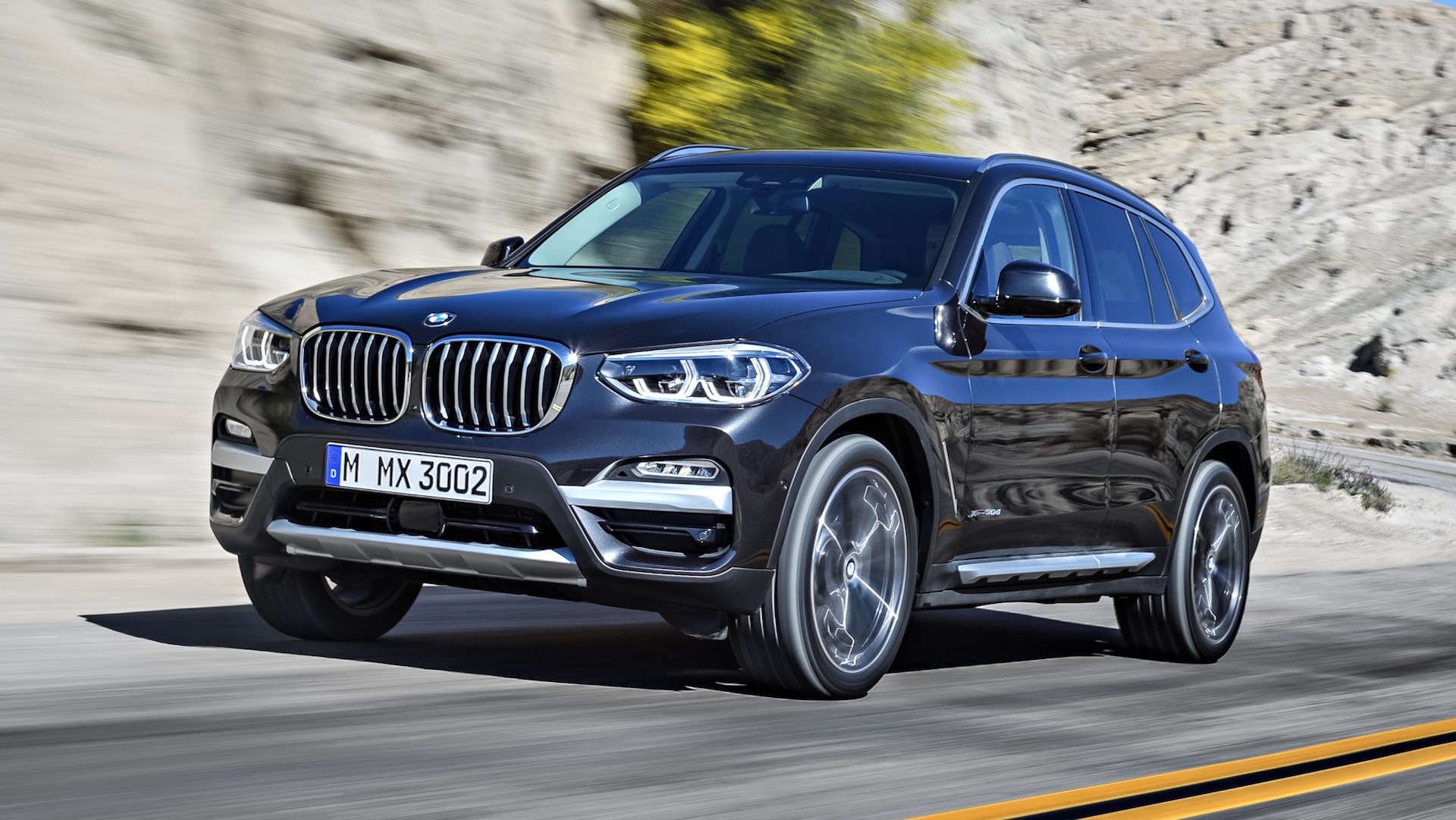
A BMW dealership's AI chatbot incorrectly quoted a used X3 price, forcing the dealer to honor the artificially low offer and absorb a $5,000 loss.
2 comments
Sign in to join the discussion.
Sign inThis pricing failure exposes a systemic vulnerability: AI systems deployed in transactional contexts without hard-coded limits or escalation triggers for anomalous outputs. In automotive retail, where inventory value and margin thresholds are quantifiable, there's no technical excuse for a chatbot to quote outside predefined bounds without human-in-the-loop validation—this is basic functional safety thinking applied to commercial systems. The broader implication extends beyond dealerships. As mobility operators integrate AI into everything from fleet pricing to insurance quotes to ADAS feature purchases, they must implement sanity checks and constraint architectures borrowed from safety-critical domains. ISO 26262 teaches us that hazards emerge when systems exceed intended operational boundaries; the same principle applies here. Recommendation: any AI touching financial commitments needs hard-limit guardrails, transaction thresholds triggering human review, and regular validation against ground-truth datasets—treating commercial risk with the rigor we apply to crash avoidance.
This incident is a miniature of what awaits aviation as we automate dispatch, maintenance scheduling, and slot pricing for electric-regional fleets—except there, a chatbot's error won't just cost money, it could ground an asset or compromise airworthiness traceability. Certification bodies demand deterministic behavior in safety-critical chains; the automotive world is learning the hard way that commerce-critical chains deserve similar rigor. Hybrid-electric operators should take note: when AI touches anything that feeds into operational decisions—battery lease rates, charger availability promises, range guarantees—build verification gates that mirror DO-178C logic layers, not just retail convenience. The dealership absorbed five thousand dollars; an unvetted algorithm that misquotes propulsion system capability could absorb an entire route's economics overnight.