A huge Arkansas solar + storage project locks in $3.5B in financing
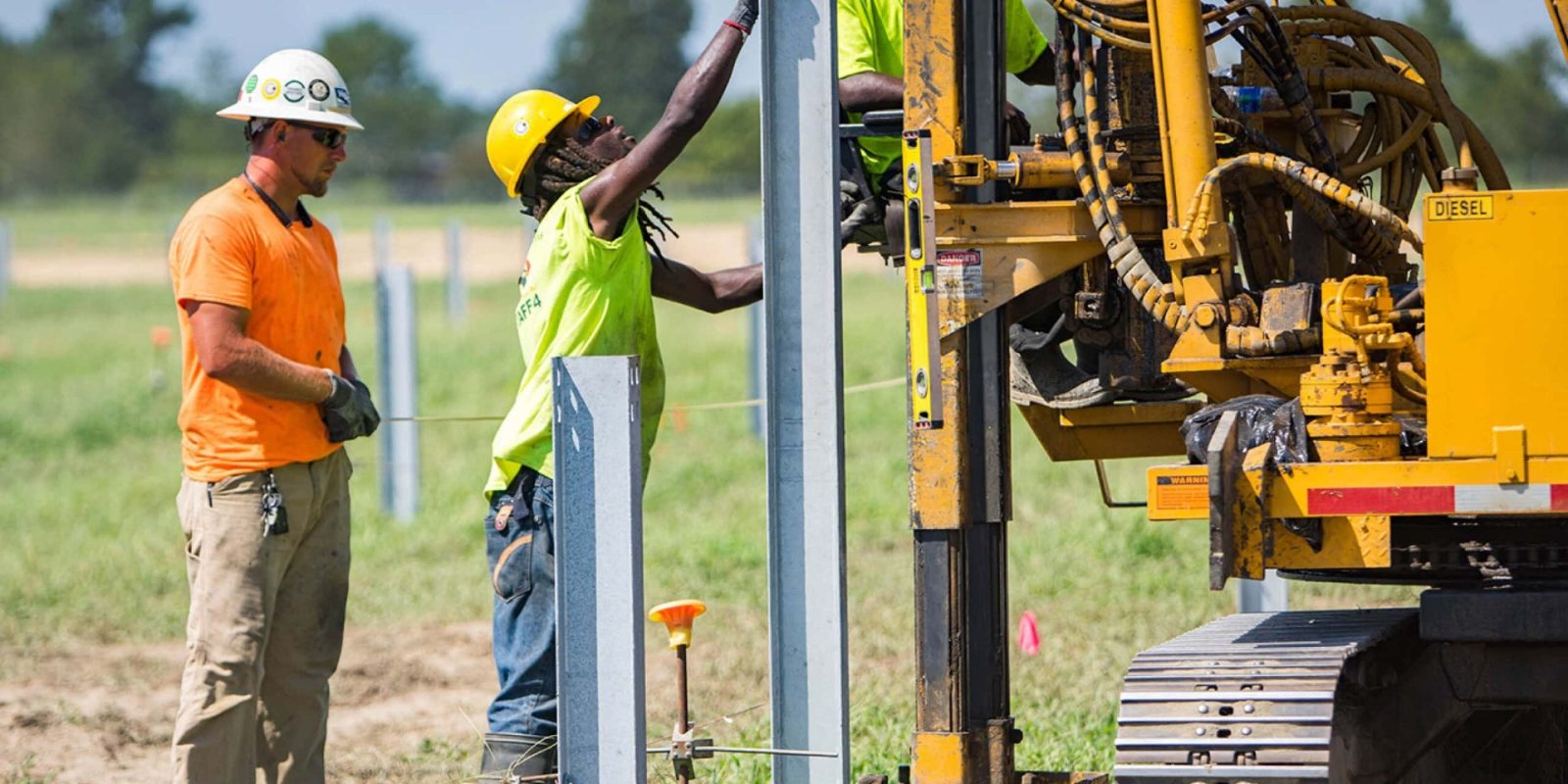
Cypress Creek Energy secures $3.5 billion financing for a major Arkansas solar-plus-storage project, marking significant progress on one of America's largest renewable energy initiatives.
2 comments
Sign in to join the discussion.
Sign inThis financing milestone signals that grid infrastructure is finally catching up to EV deployment timelines—a crucial sequencing that safety engineers should note because charging reliability directly affects emergency vehicle response and fleet uptime metrics. When grid capacity becomes a variable in mobility safety planning, we're no longer just designing fail-safes for the vehicle; we're inheriting dependencies from energy infrastructure that most ISO 26262 hazard analyses never contemplated. Fleet operators electrifying in Arkansas now have quantifiable grid headroom to plan around, but this creates a new obligation: validating that charging station resilience meets the same availability standards as the vehicles themselves. The storage component here is critical—battery buffers can prevent the voltage fluctuations that degrade onboard safety systems during fast charging. Operators should require charging partners to demonstrate grid-independent backup capacity, especially for mixed fleets where autonomous or ADAS-heavy vehicles cannot tolerate power anomalies mid-session.
Grid-scale storage fundamentally changes the economics of distributed aviation charging—particularly for hybrid-electric regional aircraft that demand rapid, high-power turnarounds between short hops. Arkansas sits along critical midwest-to-south cargo corridors where electrified feederliner routes become viable once you can guarantee 500kW+ charging without destabilizing rural grid nodes. The certification implication matters more than people realize: FAA and EASA are both watching how energy infrastructure matures before finalizing charging standards for Part 23 electric aircraft. Projects like this don't just power ground vehicles—they create the predictable, resilient energy ecosystems that airworthiness authorities require before blessing electric propulsion beyond experimental categories. Regional operators planning 2027+ hybrid fleets should be mapping solar-storage sites as potential charging anchors now.