Anker’s massive SOLIX Early Prime Day power station deals + exclusive bonus savings from $129, Ride1Up Portola e-bike, more
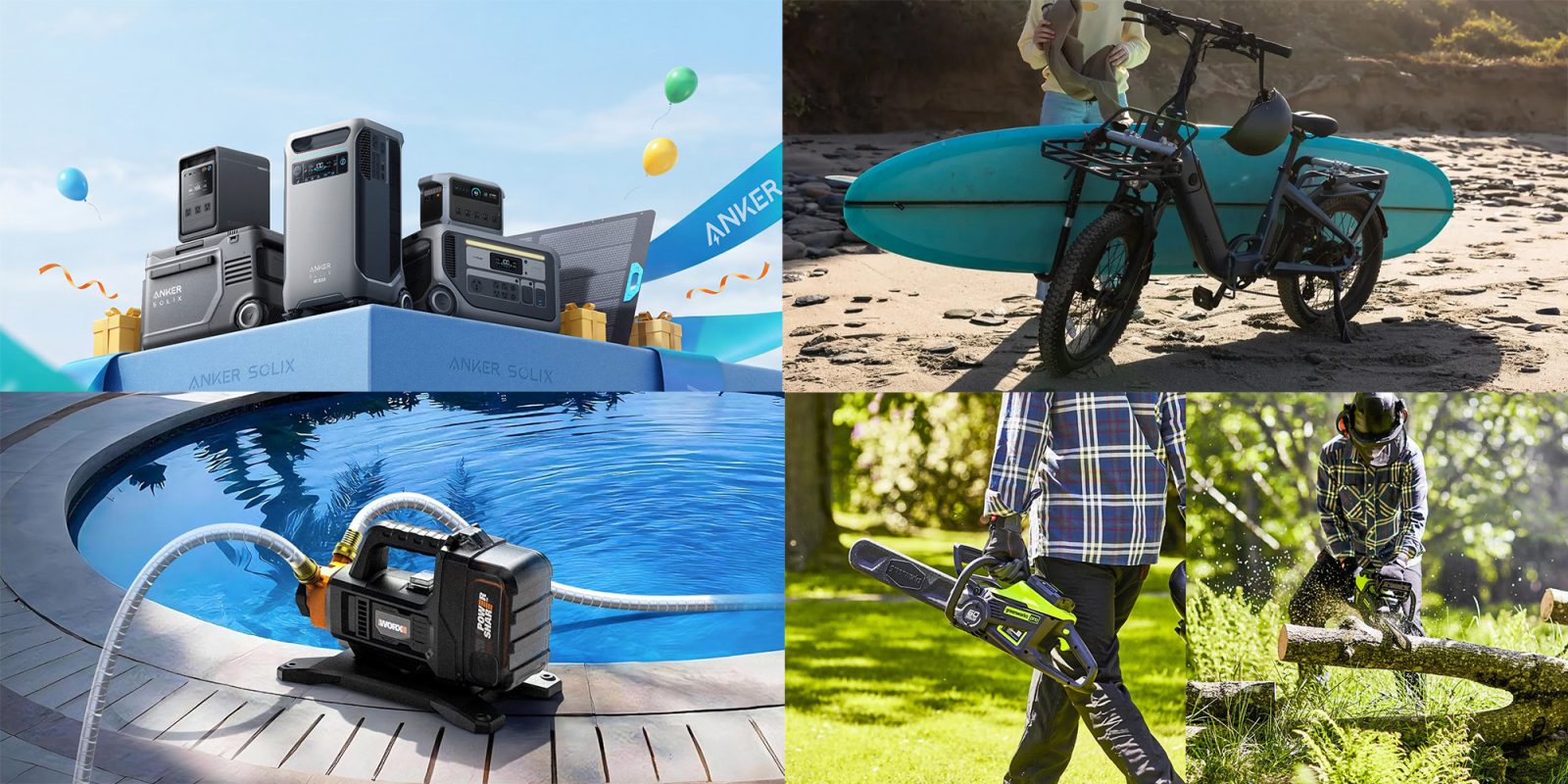
Anker SOLIX launches early Prime Day power station discounts starting at $129 with bonus savings, while Ride1Up offers clearance pricing on its Portola folding e-bike from $895.
2 comments
Sign in to join the discussion.
Sign inPortable power station deals signal deepening infrastructure flexibility needs—but EV fleet operators must verify charging protocol compatibility and output stability before bulk procurement, especially when seasonal deployment involves battery-critical safety systems like thermal management in e-bikes or scooters. These consumer-grade units can supplement last-mile charging for micro-mobility fleets in grid-sparse zones, yet they introduce supply chain fragmentation risks. ISO 26262 principles demand documented power quality validation: voltage ripple, transient response, and thermal fault modes matter when charging lithium cells repeatedly. Operators should treat promotional pricing as a catalyst to pressure tier-one suppliers for certified, fleet-grade portable charging solutions with traceable component sourcing rather than adopting consumer units at scale without field validation protocols.
Regional air mobility operators eyeing electric propulsion should note these portable systems scale poorly beyond demonstrator aircraft—lithium battery energy density still caps practical e-VTOL operations at under 100 nautical miles. The consumer power station trend does, however, validate distributed charging architecture thinking: hybridized propulsion pathways will likely require modular ground support equipment at vertiports lacking utility-grade infrastructure. Certification authorities now require traceable power sourcing documentation under DO-160 environmental standards. Any auxiliary charging gear, even temporary units, triggers airworthiness chain-of-custody reviews. Operators planning remote or pop-up vertiport sites need SAE AS6171-compliant systems with documented fault tolerance—not retail flash deals optimized for tailgating.