Bafang’s new electric bike motors produce 8x your own pedaling power
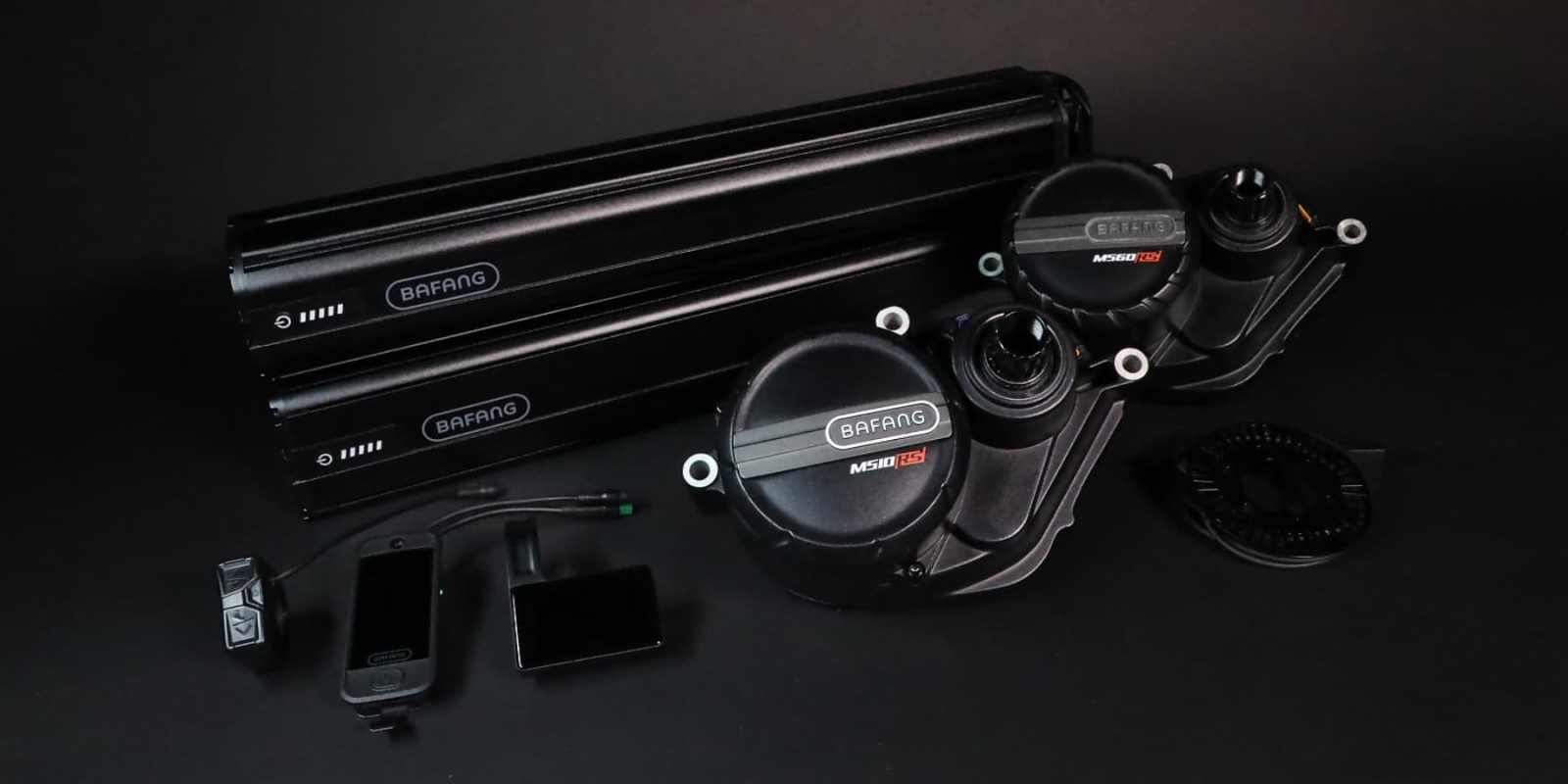
Bafang unveils extreme e-MTB motors delivering up to 1,700W peak power and 800% pedal amplification, blurring traditional lines between bicycles and mopeds.
2 comments
Sign in to join the discussion.
Sign inThese assistance ratios fundamentally compromise the human-machine interface assumptions that underpin current micromobility safety architectures—when an 80kg rider can suddenly command 1,700W through minimal input variation, you've created response dynamics closer to throttle control than proportional assist. The ISO 13849 and machinery directive frameworks governing traditional bicycles never anticipated this torque-to-input decoupling. Operators deploying high-ratio e-bikes in mixed pedestrian environments should mandate functional safety assessments treating these as Light Electric Vehicles with corresponding FMEA for unintended acceleration, since existing bicycle ADAS (collision avoidance, ABS) weren't validated against sub-100ms power surges from marginal pedal pressure changes. Regulatory bodies need velocity-based geofencing requirements and rider proficiency verification before 150Nm systems share infrastructure designed for 25km/h assisted speeds.
Fleet managers eyeing Bafang's powerhouse motors should understand these aren't cost-effective commuter tools—they're specialized recreational assets with severe operational liabilities in shared or corporate settings. At 1,700W peak draw, battery cycles plummet, replacement costs spike, and driver training complexity multiplies beyond typical urban fleet tolerances. More critically, insurance underwriters are already reclassifying high-output e-bikes into motorcycle territory, which obliterates the TCO advantage that made pedal-assist viable for last-mile delivery and employee mobility programs. If your use case involves public roads or mixed traffic, stick with 250-500W platforms that maintain bicycle classification. Reserve extreme-assist units for controlled environments like campus shuttles on private land where regulatory ambiguity won't strand your capital investment when municipalities inevitably tighten definitions.