London police are now using the same illegal e-bikes as the criminals they chase
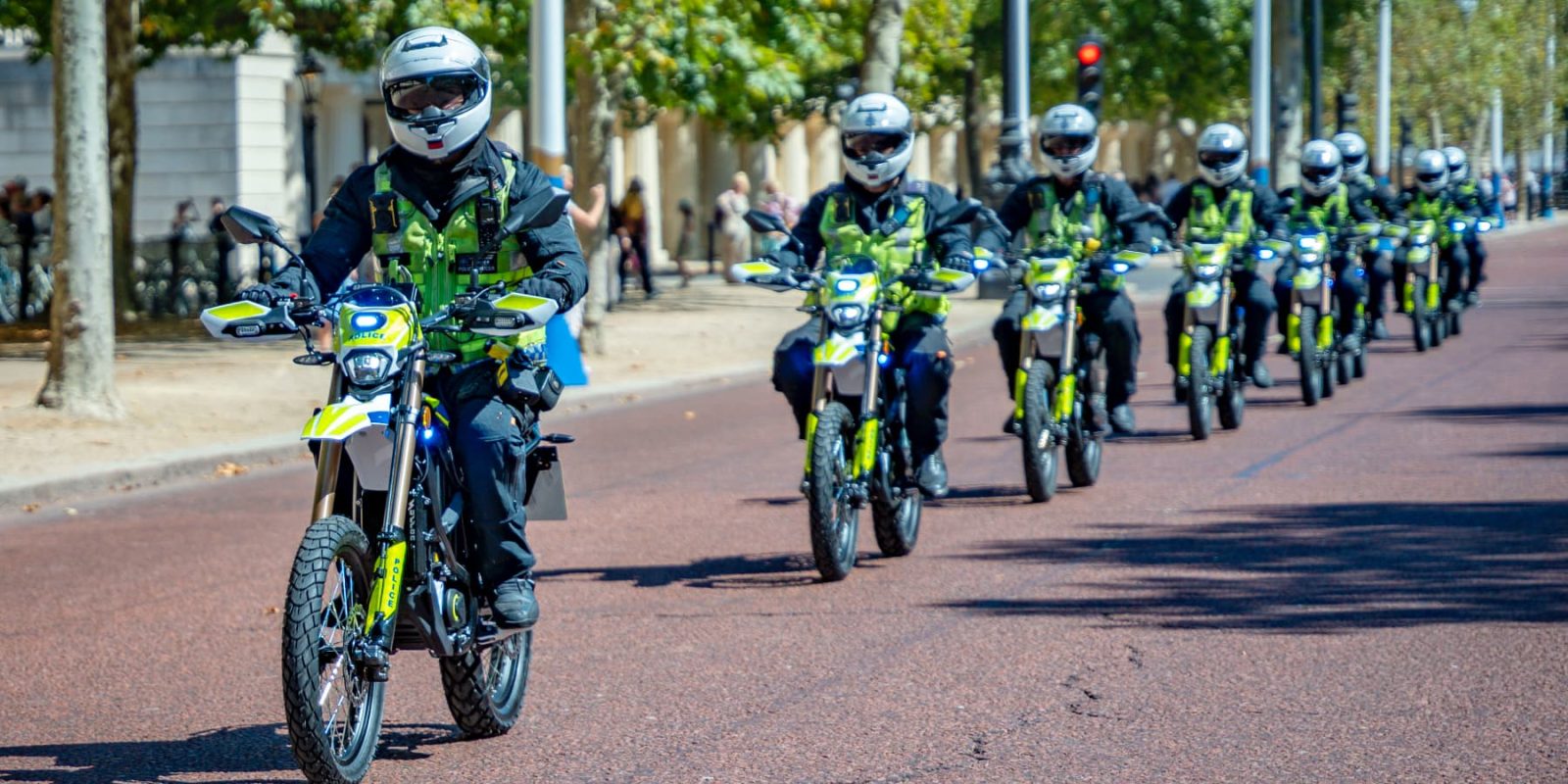
London's Metropolitan Police are deploying high-powered electric bikes similar to those used by criminals to improve pursuit effectiveness in urban environments.
2 comments
Sign in to join the discussion.
Sign inLondon's decision to deploy overpowered e-bikes reveals a critical asymmetry in urban mobility enforcement: when legal frameworks can't keep pace with street-level physics, operational safety demands trump regulatory purity. This mirrors challenges in autonomous vehicle testing, where real-world edge cases frequently expose gaps between compliant design and mission-critical performance. The Met is essentially running an uncontrolled field test using non-homologated vehicles in pursuit scenarios—exactly the kind of safety-blind deployment ISO 26262 exists to prevent in automotive contexts. The tactical irony here masks a deeper systemic issue for cities implementing micro-mobility infrastructure: vehicle capability, rider behavior, and regulatory limits form a safety triad that breaks when any element becomes unenforceable. Operators and urban planners should treat this as a warning case—London's enforcement gap didn't emerge overnight but grew as e-bike performance outpaced legal definitions. Recommendation: cities need dynamic regulatory frameworks with geofenced power limits and real-time compliance monitoring, not static wattage caps that create unenforceable divides between legal and effective mobility.
London's tactical shift exposes a fleet management dilemma most operators quietly navigate: compliance versus mission effectiveness. The Met is essentially running split inventory—legal patrol units for routine work, off-spec pursuit bikes for hot calls—which fragments maintenance protocols, complicates driver (rider) certification, and creates liability exposure that no standard TCO model accounts for. This dual-fleet workaround signals what commercial operators already know: regulatory categories built for leisure bikes don't map to operational demands. The real cost isn't the hardware—it's managing two parallel asset classes with different risk profiles, insurance tiers, and duty cycles. Fleet managers in last-mile delivery face identical pressure: stay legal and lose competitive speed, or bend rules and absorb hidden compliance costs. London just made that trade-off visible under blue lights.