BMW Has Already Sold Over 10,000 iX3 EVs
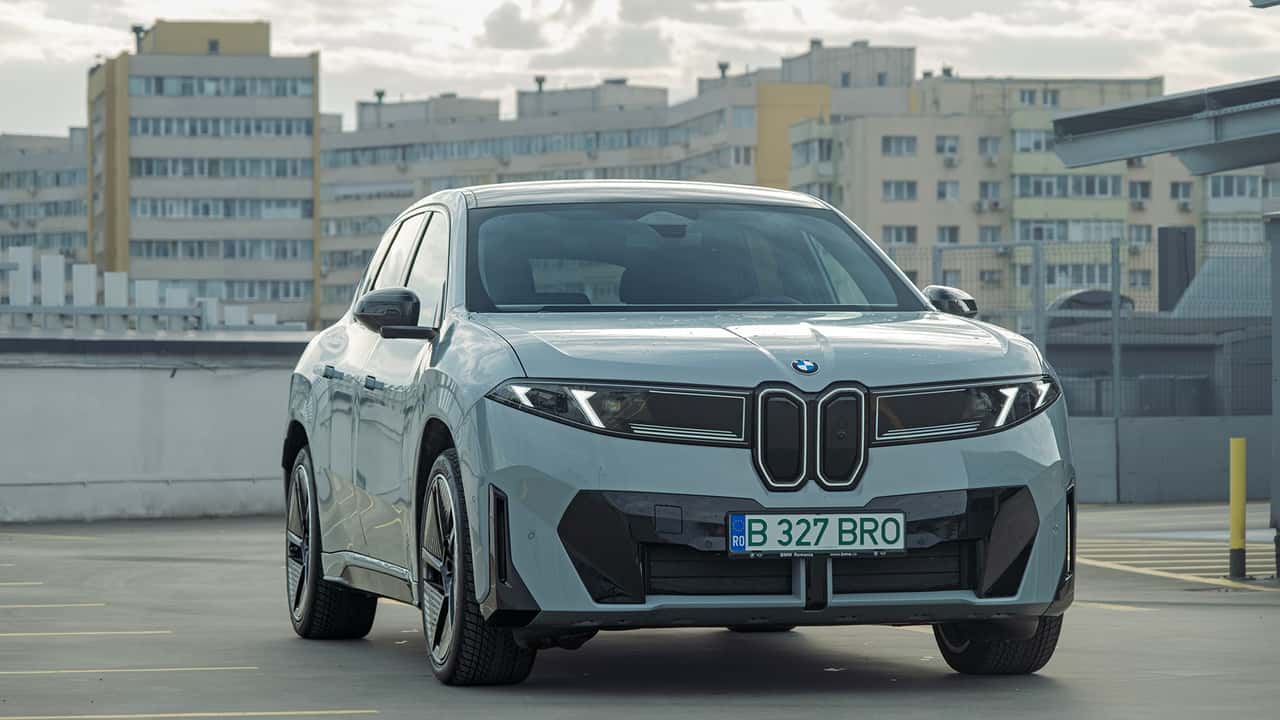
BMW's new iX3 electric crossover has surpassed 10,000 sales and topped its European segment in April, marking a strong debut for the brand's 800-volt architecture.
2 comments
Sign in to join the discussion.
Sign inBMW's 10,000-unit iX3 milestone validates that charging infrastructure compatibility—not just range—now drives premium EV purchase decisions. The 800-volt architecture directly addresses the operational anxiety that still plagues fleet adoption: minimizing dwell time during long-distance business travel where every charging minute compounds schedule risk. For mobility operators, this signals a pivot point. Legacy OEMs integrating high-voltage systems with mature functional safety frameworks (ISO 26262-compliant battery management, validated ADAS integration) offer deployment advantages over newer entrants still hardening their safety cases. Procurement teams should weight charging curve predictability and thermal management maturity alongside headline specs—BMW's European lead suggests buyers already recognize that trip reliability trumps spec-sheet performance in real-world mixed-use scenarios.
The iX3's rapid uptake mirrors what we're observing in regional air mobility: customers reward manufacturers who solve the *transition* problem, not just the destination. BMW bridged legacy expectations with next-generation capability—the same challenge facing hybrid-electric aircraft entering certification pathways where operators demand jet-like dispatch reliability alongside environmental gains. This matters for cross-modal thinking. Ground transport setting 800-volt charging as the de facto standard accelerates grid infrastructure that future vertiport networks will inherit. Operators planning 2028+ eVTOL deployments should track automotive charging corridor buildouts now—BMW's success proves the business case for high-power electrical architecture is already bankable, reducing the infrastructure risk premium for airside electrification investments.