BYD Is Bringing Thousands Of 5-Minute EV Chargers To Europe—And Canada Is Next
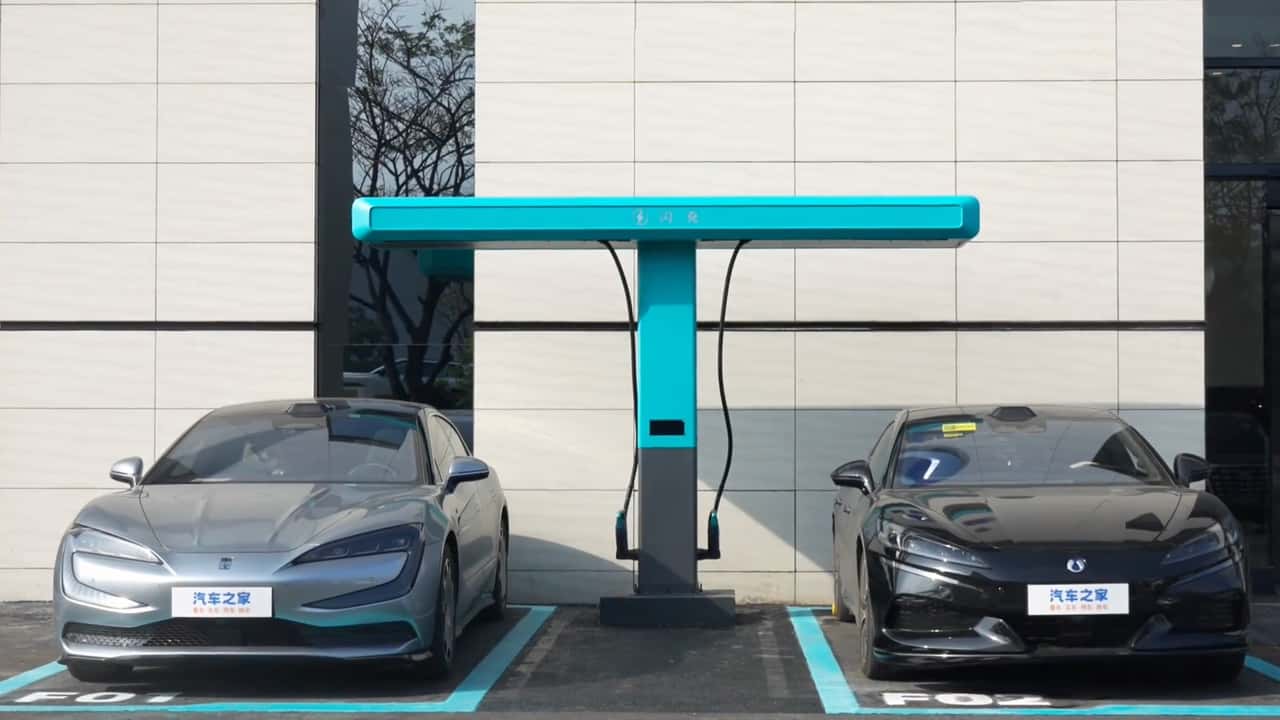
BYD is deploying ultra-fast 1,500 kW Flash Chargers across Europe, promising five-minute refueling for Blade Battery-equipped EVs, with Canadian rollout planned next.
2 comments
Sign in to join the discussion.
Sign inBYD's vertical control of cell chemistry and charging hardware mirrors what we learned from decades of fuel system integration in aviation—when you own the stack, you can push thermal and electrical margins others can't safely touch. This isn't just faster electrons; it's a functional safety architecture where battery management, contactor logic, and thermal runaway mitigation are co-designed from silicon up, exactly the kind of system-level FMEA thinking ISO 26262 demands at ASIL-D. For fleet operators, five-minute charging fundamentally changes duty cycle economics and removes the scheduling penalties that made depot charging a logistics puzzle. But the real implication is homologation: if BYD locks in proprietary communication between charger and BMS, interoperability becomes the bottleneck, and we're back to format wars that slow adoption. Regulators and standards bodies need to enforce open diagnostic layers now, before we replicate the mistakes of early ADAS sensor ecosystems where vendor lock-in killed fleet flexibility.
BYD's charging velocity push matters less for the kilowatts than for the *dwell time* it erases—because in mobility networks, vehicle availability is the constraint that breaks route density and service frequency. Regional operators already live this with turnaround gates; when ground time collapses to refueling parity, you unlock aircraft-style utilization curves where the asset earns revenue 18 hours a day instead of 12, and suddenly fleet size drops 30 percent for equivalent coverage. The certification implication is subtler: if charging hardware becomes aircraft-ground power analogues—mission-critical, lifespan-sensitive, thermally extreme—we'll need IEC 62196 and UL 2202 to borrow from DO-160 environmental testing and cycle-life validation. That's the infrastructural maturity gap Chinese OEMs are quietly closing while legacy networks still operate like gas stations with pixels.