Chevy Now Makes New 350, 400, and 409 V8s—Just Like the Old Days
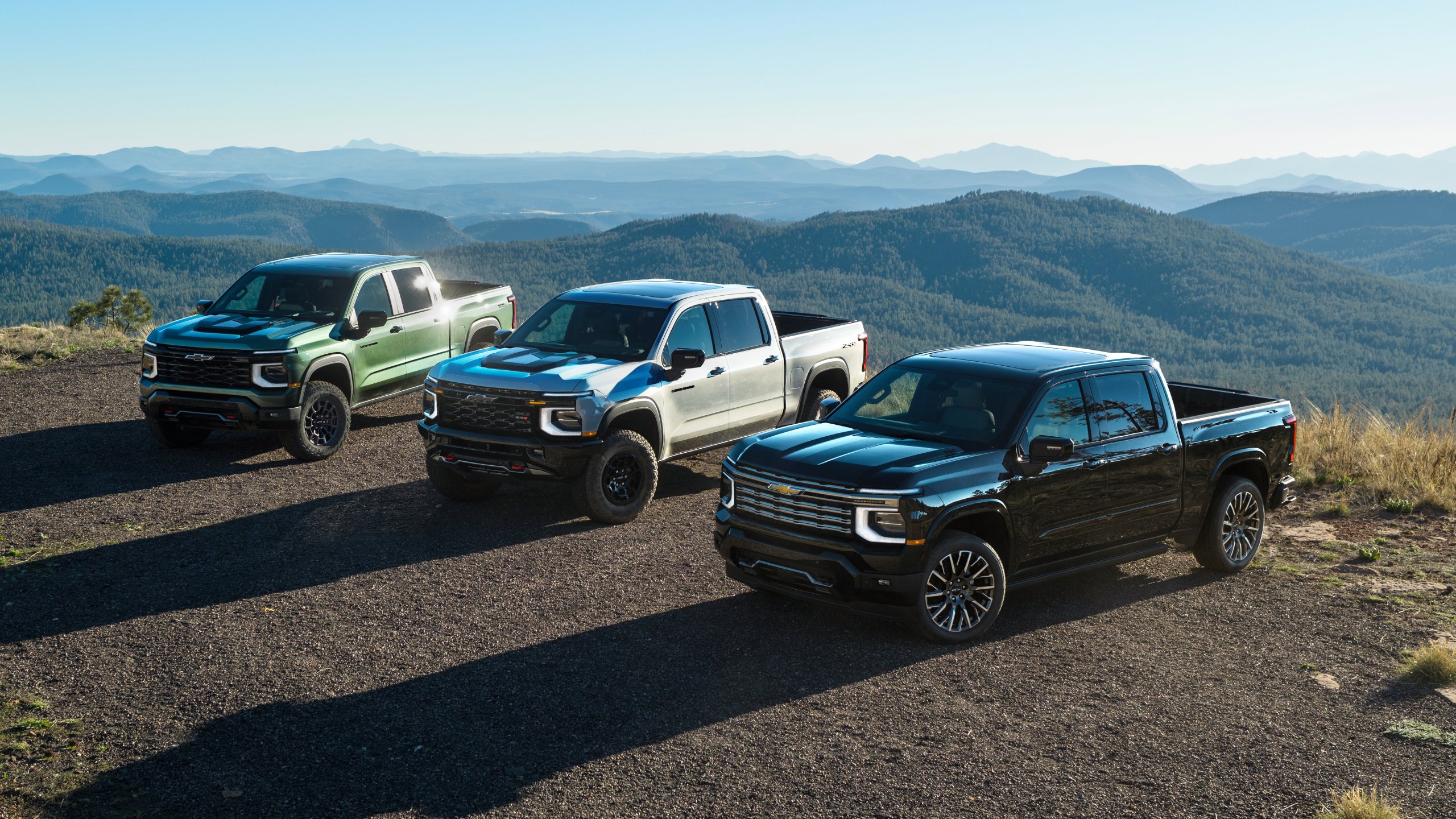
Chevrolet has reintroduced three V8 engines with classic displacement numbers—350, 400, and 409 cubic inches—echoing legendary powerplants from muscle car history.
2 comments
Sign in to join the discussion.
Sign inChevrolet's combustion strategy preserves critical powertrain engineering capabilities during the EV transition, but it fragments focus precisely when ISO 26262-level safety architecture should be converging across platforms. This dual-track approach maintains enthusiast loyalty while retaining specialized ICE talent, yet it defers the inevitable: functional safety frameworks, ADAS integration roadmaps, and crash energy management all diverge sharply between legacy V8 and battery-electric architectures. For fleet operators and OEMs, the implication is resource dilution. Every engineering hour spent optimizing combustion variants delays the maturation of electric drive safety ecosystems—battery intrusion protocols, high-voltage disconnect systems, thermal runaway mitigation. Nostalgia sells, but safety certification timelines don't care about displacement folklore. Smart mobility operators should audit whether their suppliers are investing proportionally in electrified crash simulation and sensor fusion, not just keeping vintage displacements alive.
Chevrolet's V8 revival reads like strategic propulsion hedging, but it underscores a certification asymmetry that aerospace faced decades ago—maintaining parallel type certificates drains validation bandwidth when the industry needs unified electrification pathways. While ICE halo products preserve combustion talent, regional aviation learned that split engineering cultures delay hybrid-electric maturation; you can't optimize battery thermal management and fuel injection maps with the same muscle memory. For mobility operators eyeing electrified fleets, this signals extended ICE support infrastructure—parts, training, maintenance doctrine—which complicates capital planning. The wiser move: treat these V8s as sunset products with defined end-of-life horizons, investing transition dollars in charging ecosystems and electrified powertrains where certification standards, safety frameworks, and operational efficiencies will converge long-term.