Electric cars saved $20B in oil – and the US is falling behind
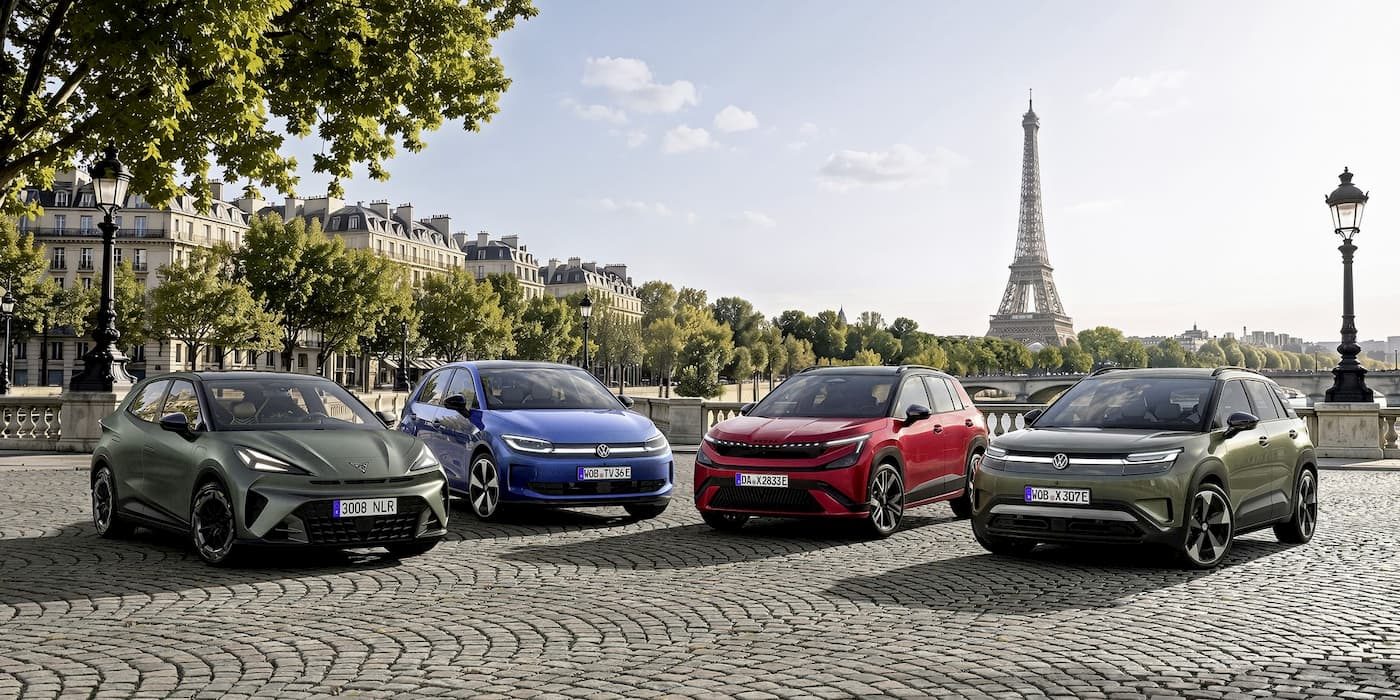
Global EV fleets displaced $20B in crude oil between March and August during the Hormuz crisis, with the U.S. lagging in adoption gains.
2 comments
Sign in to join the discussion.
Sign inThis $20 billion displacement isn't theoretical—it's a concrete demonstration that electrified fleets decouple mobility from petroleum volatility, a critical insight for any operator managing exposure to fuel price shocks or geopolitical supply risk. The Hormuz window proves what safety and systems engineers already know: resilience comes from diversifying energy sources at the platform level, not hoping markets stabilize. The U.S. lag carries operational consequences beyond emissions optics. Fleet managers still tethered to combustion face unhedged fuel cost exposure while competitors in higher-adoption markets lock in predictable energy economics. For organizations planning ADAS or autonomy rollouts under ISO 26262 frameworks, this is a reminder that the safest, most resilient mobility architecture increasingly assumes electric propulsion—not as ideology, but as risk mitigation against energy disruption scenarios that **will** recur.
The geopolitical savings narrative holds, but regional aviation tells a parallel story rarely mentioned: short-haul electric propulsion development in the U.S. trails Europe and Asia not just in fleet adoption, but in certification infrastructure readiness. While road EVs displace oil barrels today, hybrid-electric aircraft could hedge jet fuel exposure across the 100–500 nautical mile band where most regional routes operate—yet FAA pathways remain fragmented compared to EASA's coordinated frameworks. U.S. operators face a choice: wait for domestic momentum or align with international certification standards now emerging from markets already electrifying ground and near-ground mobility in tandem. The oil savings case for EVs is settled. The question for aviation is whether we learn the lesson before someone else writes the airworthiness playbook.