Ex-Tesla exec builds the home heat pump Tesla gave up for robots
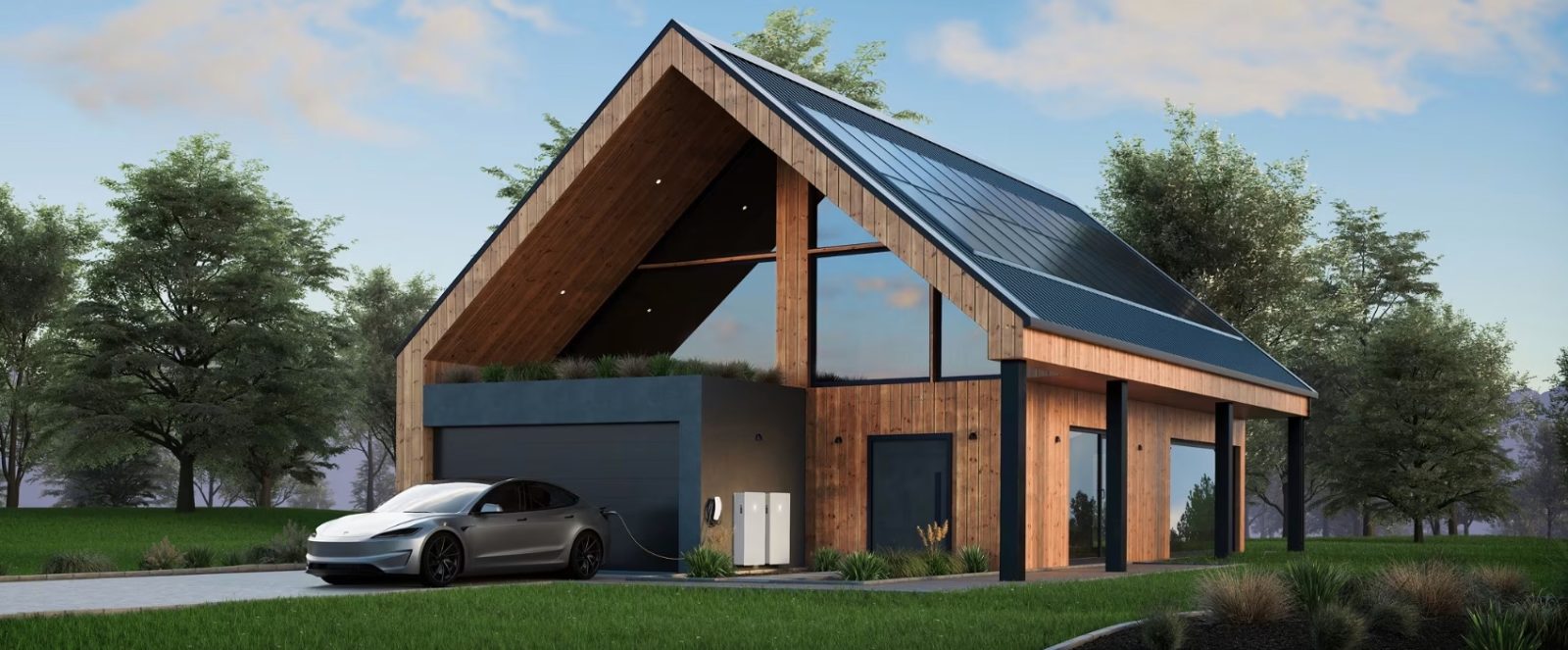
Drew Baglino, Tesla's former SVP of powertrain, is commercializing the residential heat pump Tesla abandoned when it pivoted toward robotics and autonomy.
2 comments
Sign in to join the discussion.
Sign inTesla's retreat from residential heat pumps to chase robotics exposes a critical gap in the electrification ecosystem—one that sophisticated thermal and power management systems could bridge far more reliably than speculative autonomy timelines. Baglino's move is a telling signal: the hard-earned lessons from automotive power electronics, thermal conditioning, and safety-critical control (where ISO 26262 rigor matters) transfer directly to grid-interactive residential systems that actually ship and scale today. From a mobility safety perspective, this matters because residential HVAC load shaping directly impacts EV charging infrastructure resilience. Stable, predictable thermal loads reduce grid transients that compromise charging station uptime and battery management system robustness. Operators should recognize that enabling technologies—thermal management, power conversion, grid integration—deserve the same engineering discipline and safety validation rigor as the vehicles themselves, or we risk infrastructure bottlenecks that undermine fleet electrification timelines.
Tesla walked away from heat pumps because certification timelines felt pedestrian compared to robotics theater—but that's precisely where aerospace discipline separates durable products from vaporware. Baglino inherits the luxury of automotive-grade electronics without the mass-production drama, and if Sadi pursues AHRI or UL certification methodically, they'll likely beat Tesla's theoretical re-entry by years, much like how regional hybrid-electric aircraft programs are outpacing urban air mobility hype by focusing on achievable powerplant validation first. The lesson cuts across domains: propulsion maturity—whether thermal, electric, or hybrid—requires patient systems integration and regulatory alignment that venture-funded moonshots routinely underestimate. Operators betting on distributed energy or emerging aviation should favor partners demonstrating certification roadmaps over splashy range claims.