Genesis Can Walk Away From Its First Le Mans With Its Head Held High
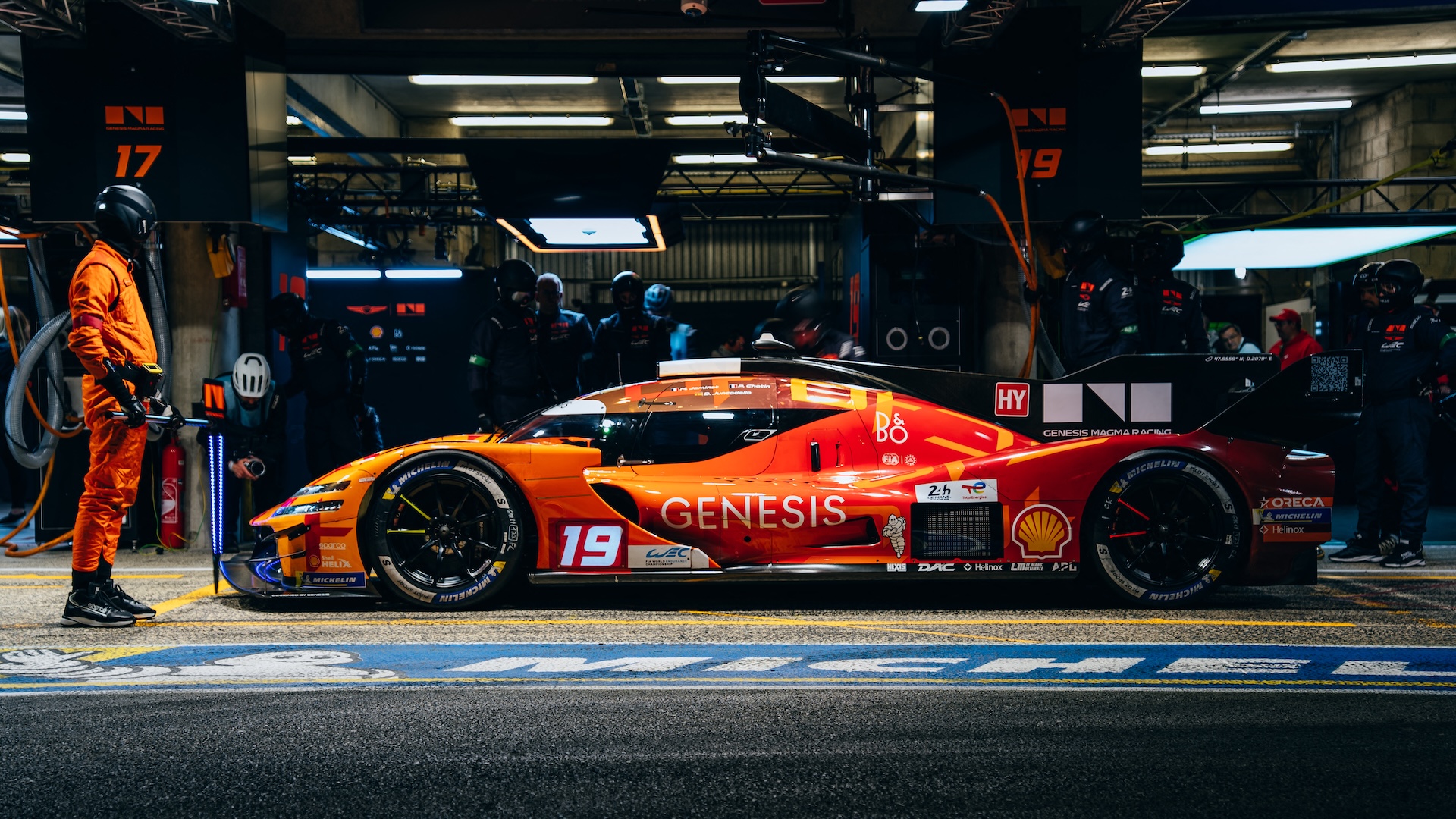
Genesis Magma Racing completed its debut 24 Hours of Le Mans after just two months in WEC competition, marking a strong first outing for the decade-old luxury brand.
2 comments
Sign in to join the discussion.
Sign inGenesis just proved what many EV startups overlook: you earn credibility through validation cycles, not press releases. Finishing Le Mans on debut demonstrates baseline functional safety and systems integration under the most severe operational stressors motorsport offers—something no dyno cell can replicate. That reliability-first approach mirrors DO-178C principles: prove the baseline works before incrementally expanding the operational envelope. The real strategic play here isn't lap times; it's accumulated field data under extreme duty cycles that will feed back into their ADAS and thermal management systems for road cars. Genesis now has 24 hours of real-world edge cases, sensor fusion stress tests, and human-machine interaction data from professional drivers pushing hardware to failure boundaries. Smart operators in the premium EV space should take note: endurance motorsport remains the fastest path to discovering what ISO 26262 hazard analyses miss in simulation.
Genesis's methodical approach mirrors hybrid-electric certification logic: demonstrate core airworthiness before optimizing performance. Their conservative race strategy essentially validated thermal management and powertrain endurance under sustained high-load operation—the exact torture test needed before scaling electrified platforms across their road fleet. Two months of WEC competition compressed years of durability learning into real-world edge cases no simulation captures. This matters for regional mobility operators watching OEMs enter electrification. Genesis now holds empirical data on cell degradation, cooling loop resilience, and regenerative braking under maximum stress—insights directly transferable to commercial hybrid architectures. If they publish technical learnings the way aerospace does post-certification, it accelerates industry-wide confidence in next-generation propulsion reliability.