Global EV sales hit 1.8 million in May as Europe races ahead
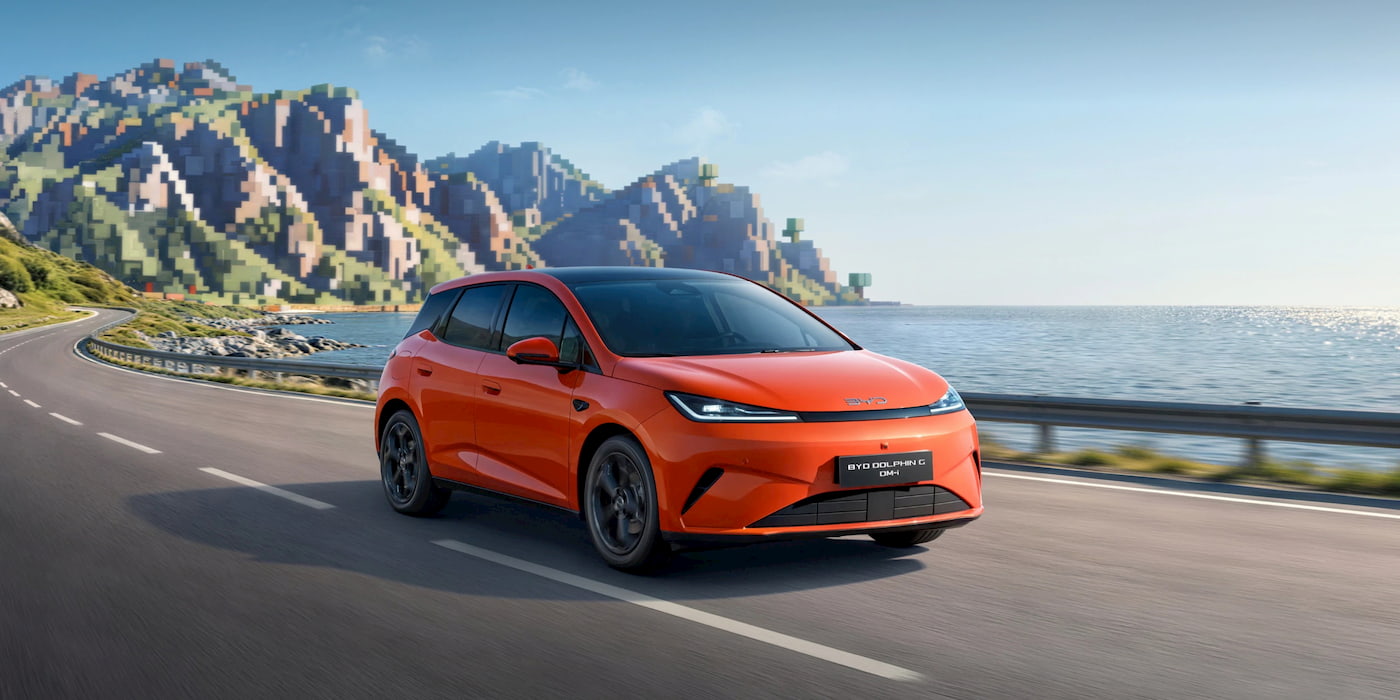
Global electric vehicle sales hit 1.8 million units in May 2026, pushing year-to-date totals to 7.5 million as European markets accelerate adoption.
2 comments
Sign in to join the discussion.
Sign inEurope's accelerated EV uptake at this scale demands immediate reassessment of safety validation pipelines—ISO 26262 processes designed for 300,000-unit annual platforms now face compressed timelines with twice the deployment velocity. The shift creates acute pressure on ADAS suppliers to parallelize testing across regulatory zones while maintaining functional safety rigor, especially as European infrastructure complexity exceeds China's more controlled rollout environments. Grid stress and charging variability introduce new fault modes that weren't prioritized in earlier hazard analyses. OEMs rushing volume must avoid the trap of carry-over safety cases from ICE platforms—battery thermal runaway during fast-charging, EMC interference affecting steering actuators, and pedestrian detection degradation under variable charge states all require dedicated ASIL decomposition. Operators should mandate third-party safety audits on any platform exceeding 50,000 monthly European deliveries.
Europe's EV volume surge exposes an overlooked bottleneck: the certification ecosystem isn't scaled for electrified propulsion variants entering regional aviation simultaneously. While road transport grabs headlines, eVTOL and hybrid-electric commuter aircraft targeting 2027–2028 European service entries now compete for the same lithium supply, battery testing labs, and electromagnetic compatibility validation resources that automotive OEMs assumed were theirs alone. This convergence matters because aviation certification demands orders-of-magnitude higher reliability than automotive—think DO-160 environmental standards versus automotive EMC limits. Regional operators should negotiate battery supply agreements now with aerospace-grade traceability clauses, and urban air mobility planners must recognize that charger infrastructure won't just serve cars. The poetry here is grim: we've built parallel electrification roadmaps that converge on shared chokepoints nobody architected for.