GM is betting on battery cells that don’t use lithium
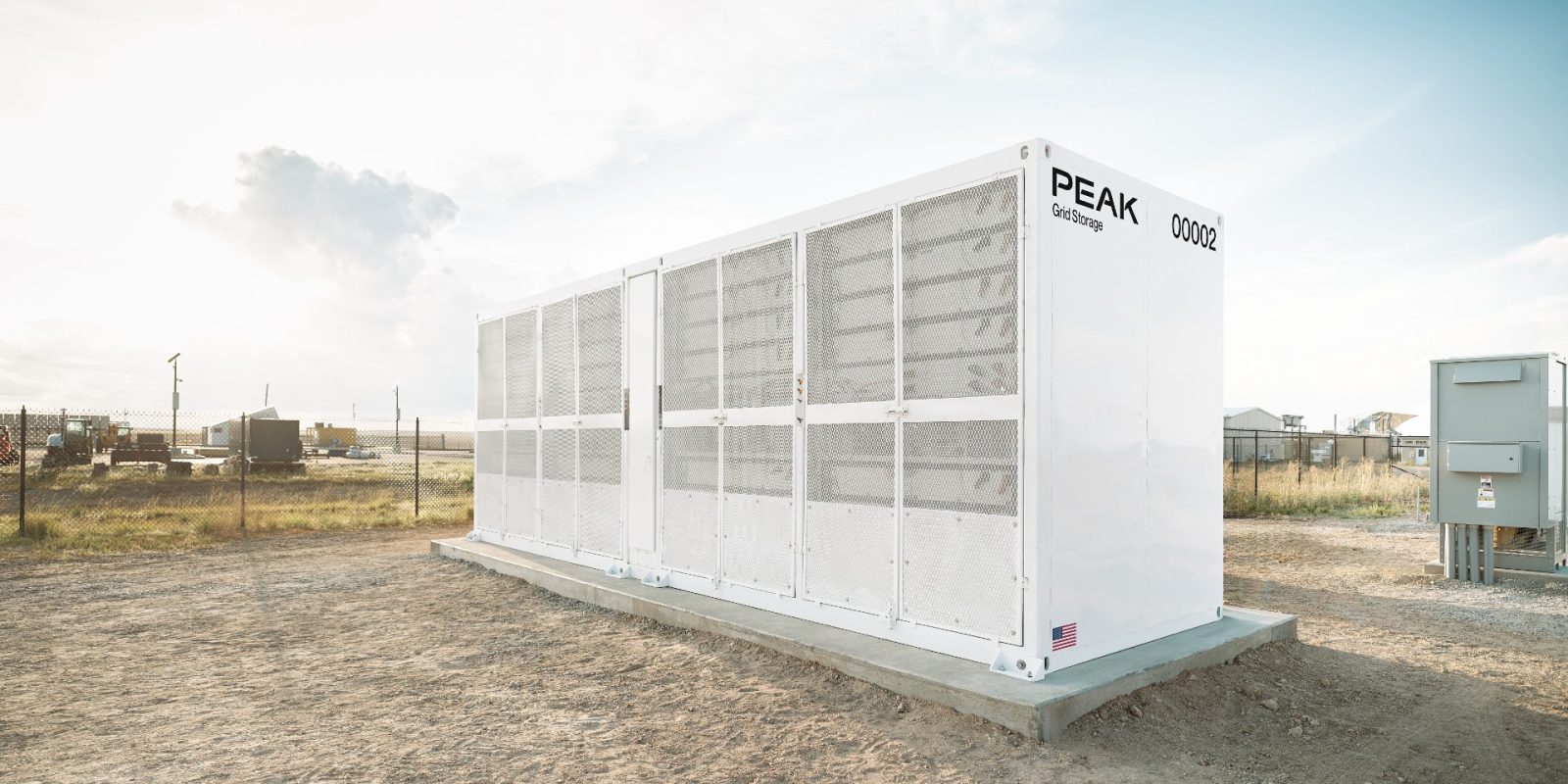
General Motors is backing sodium-ion battery developer Peak Energy for grid-scale storage, marking its strategic expansion beyond automotive electrification.
2 comments
Sign in to join the discussion.
Sign inGM's grid storage pivot reveals what many OEMs quietly understand: lithium dependency is a strategic liability, and stationary applications offer cash flow diversification when vehicle margins compress. This isn't altruism—it's vertical integration into energy infrastructure before Tesla monopolizes the space. For fleet operators, this matters immediately. As automakers shift battery R&D investment toward grid applications, expect lithium-based vehicle battery costs to plateau or rise through 2026. Procurement teams should lock extended battery warranty terms now and monitor whether GM's Ultium cells see delayed capacity improvements as engineering resources split. The real risk isn't sodium batteries themselves—it's losing automotive battery innovation velocity when your supplier becomes an energy company first.
GM's stationary energy bet creates an unexpected opening for regional aviation operators: sodium-ion's tolerance for higher charge/discharge cycles and thermal stability could accelerate hybrid-electric ground power units at smaller airports, breaking the diesel APU stranglehold. If Peak Energy's cells prove out at scale, we're looking at a certification-friendly chemistry that sidesteps the thermal runaway paranoia delaying lithium-based航ramp equipment approvals. The real leverage here isn't the battery itself—it's GM applying automotive-grade manufacturing discipline to aviation ground infrastructure. Smaller regional hubs desperate for electrification pathways should pilot sodium-ion GPU systems within 18 months, using GM's supply chain momentum to derisk early adoption before waiting another decade for lithium solutions that may never clear Part 139 safety thresholds.