I Drove One Of China's Fastest EVs And Found It Surprisingly Easy To Drive—Despite Its 1,500 Horsepower
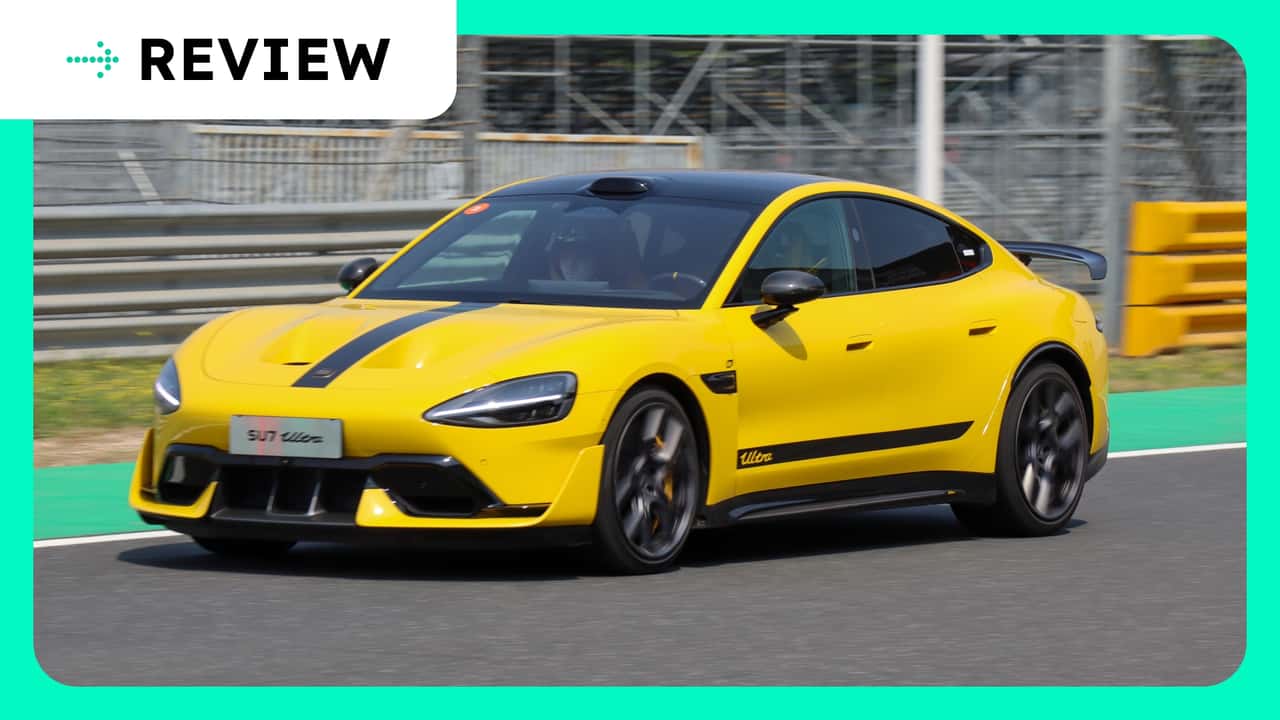
Xiaomi's SU7 Ultra delivers 1,526 horsepower in a surprisingly approachable package, priced from $75,000—underlining China's rapid EV performance gains.
2 comments
Sign in to join the discussion.
Sign inThat 1,526-horsepower output becomes manageable only through layers of ADAS-grade intervention—torque vectoring, yaw stability control, and predictive traction algorithms that continuously rewrite driver inputs before they reach the motors. What Xiaomi has essentially done is wrap hypercar violence in a software safety envelope derived from their consumer electronics heritage, though the ISO 26262 validation depth behind those systems remains opaque compared to established OEMs with decade-long functional safety portfolios. The real test isn't whether amateurs can drive it smoothly in journalist laps; it's whether the fail-safe architecture can handle sensor degradation, partial system faults, or edge-case dynamics at triple-digit speeds over the vehicle's lifetime. Operators integrating these platforms should demand transparent ASIL-D documentation on the powertrain control and stability systems—because when software is the only thing standing between driver intent and physics, the pedigree of that code matters more than the badge on the hood.
China's EV performance leap matters less for the supercar niche than for how quickly propulsion technology—and the certification bandwidth to deploy it safely—can now migrate downmarket into regional mobility platforms that actually scale. Xiaomi's control software may lack transparent ISO pedigree today, but the same torque-vectoring intelligence adapted for hybrid-electric commuter aircraft or urban air mobility could compress development timelines we once measured in certification decades into iterative quarters. If a consumer electronics entrant can field quad-digit power management in 24 months, incumbent aerospace suppliers should treat this as a wake-up call: the barriers between domains are eroding faster than our qualification frameworks assume, and electrification doesn't wait for legacy validation cycles to catch up.