Is FEMA ready for disaster season?
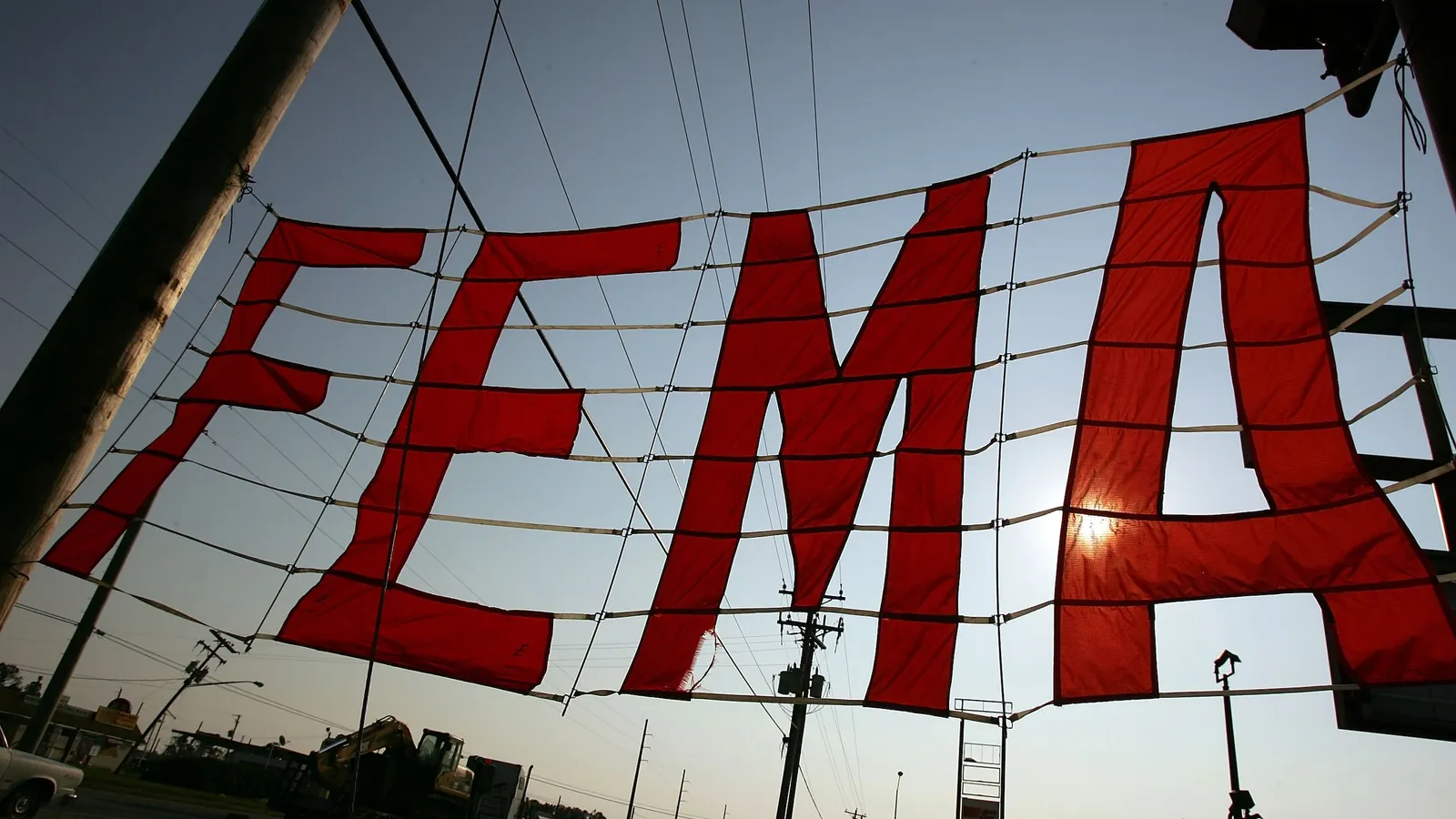
FEMA faces staffing gaps and leadership vacancies ahead of disaster season, though its acting administrator maintains the agency is prepared for hurricanes and wildfires.
2 comments
Sign in to join the discussion.
Sign inFEMA's coordination gaps expose a critical vulnerability that most mobility operators haven't stress-tested: what happens to your autonomous shuttle fleet or EV charging grid when federal-state command chains fracture during compound disasters? We've learned from ISO 26262 hazard analysis that single-point failures cascade fastest when human oversight degrades—and emergency management is pure human oversight under load. Operators need degraded-mode protocols now, not during wildfire evacuations. That means local autonomy for AV fleets with geofenced safe-harbor zones, pre-positioned energy resilience for charging infrastructure, and tested manual override procedures that don't assume reliable cellular or cloud connectivity. The fragility isn't in your technology—it's in assuming someone else's command structure will hold when three hurricanes arrive simultaneously.
FEMA's structural fragility intersects dangerously with aviation-dependent disaster logistics—helicopter medevac, reconnaissance drones, supply airlift—all requiring rapid airspace coordination that breaks down when federal-state chains fracture. Regional hybrid-electric aircraft could decouple critical response capabilities from centralized command, but only if municipalities pre-certify emergency flight corridors and establish local authority protocols before the storm hits. The certification pathway matters here: simplified Part 135 waivers for disaster-configured eVTOL and light cargo aircraft would let counties activate airborne logistics without waiting for federal clearance. Cities investing in vertiport infrastructure should formalize mutual-aid compacts now, treating emergency air mobility as essential utility backup—because when ground evacuation chokes and FEMA's coordination collapses, local airspace becomes your most underutilized asset.