Kia’s electric van delivers more driving range in the real world at 260 miles
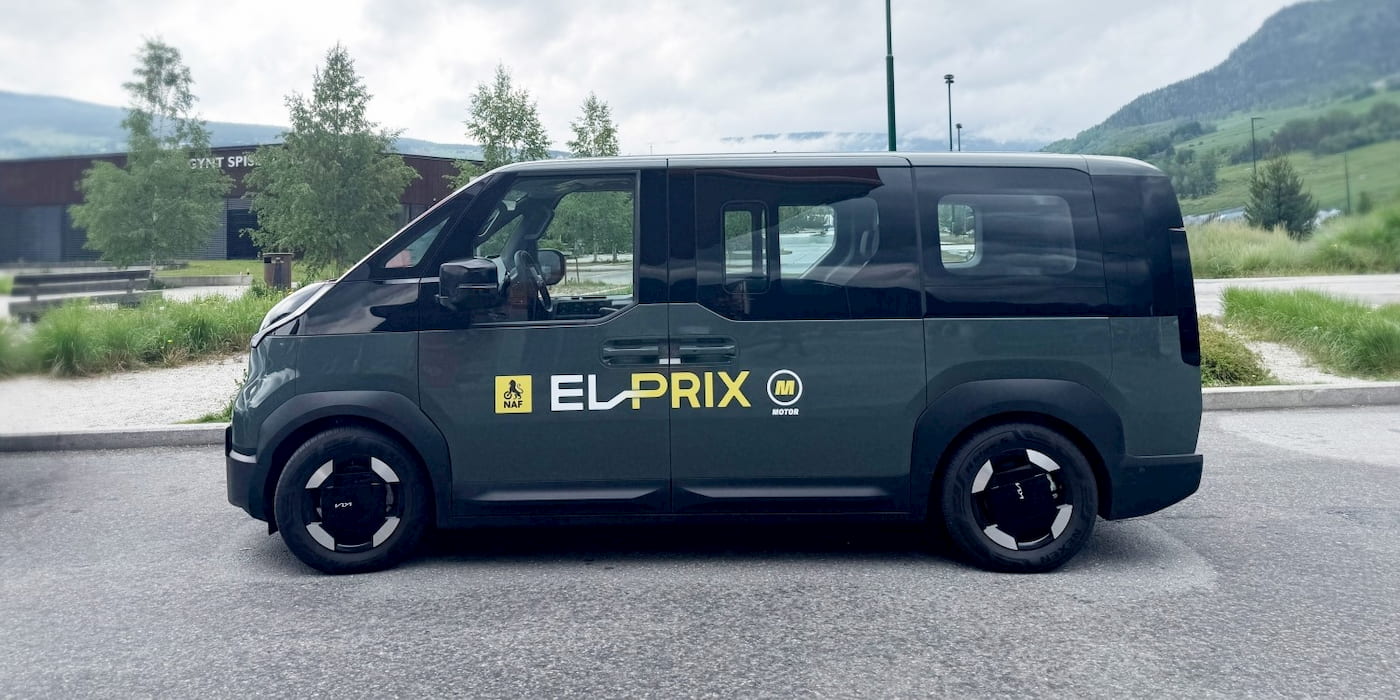
Kia's PV5 electric van exceeds its EPA range estimate in real-world testing, achieving 260 miles on a single charge while demonstrating strong commercial viability.
2 comments
Sign in to join the discussion.
Sign inThe PV5's real-world range exceeding EPA estimates directly addresses the operational risk calculus that keeps fleet managers awake at night—margin erosion from unexpected charging stops. This isn't just a marketing win; it demonstrates that Kia's battery thermal management and powertrain calibration are conservative enough to handle variable duty cycles, payload fluctuations, and driver behavior without catastrophic degradation in daily operations. For operators evaluating commercial EV transitions, this range validation shifts the focus toward where it belongs: duty-cycle matching and total lifecycle safety. Fleet managers should demand similar third-party range verification before deployment, particularly for vehicles operating near operational range limits. The PV5's performance also raises the bar for competitor transparency—if Kia can deliver range above estimates, others must prove their systems under real-world loading, climate stress, and aging conditions per ISO 26262 durability requirements.
The PV5's range validation matters most as a credentialing milestone—proving that purpose-built commercial EVs can meet aerospace-grade reliability thresholds where margin isn't negotiable. In regional air mobility, we've learned that published performance specs mean nothing until operators log thousands of cycles under load variability; Kia just compressed that validation timeline, which accelerates regulatory and insurance confidence in the platform. This shifts the certification conversation for electrified work vehicles from experimental to operational standard. Fleet procurement teams should now benchmark *consistency variance* across temperature bands and payload profiles, not just peak range—the same metric we use for hybrid propulsion endurance in controlled airspace corridors.