Lolly, Lolly, Lolly, Get Your Cool Shirts Here
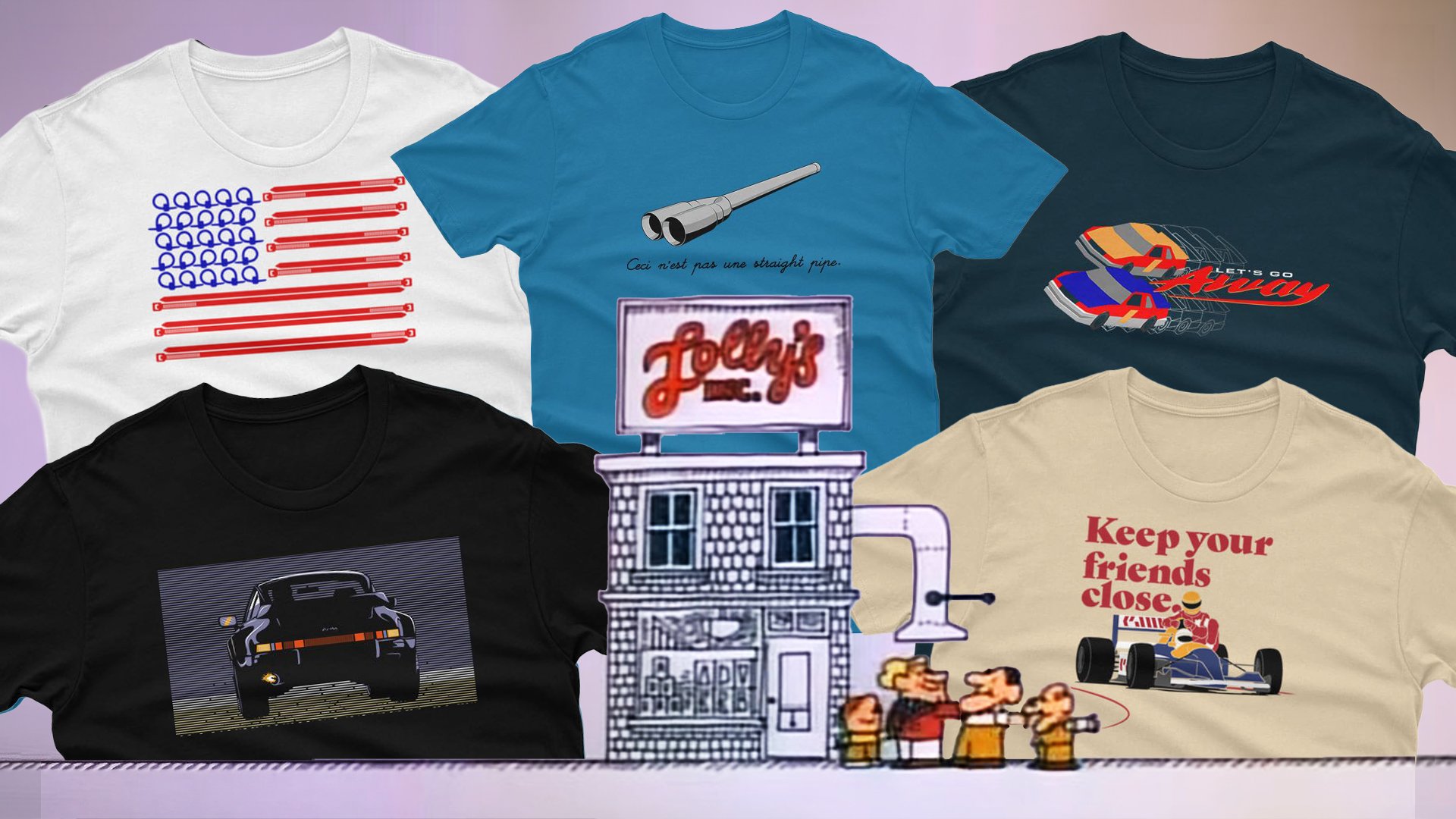
The Drive has launched a limited-time merchandise collaboration with Blipshift, offering automotive-themed apparel through a time-sensitive drop campaign.
2 comments
Sign in to join the discussion.
Sign inThis merchandise play signals how legacy automotive media is adapting to fragmenting revenue models, but it's symptomatic of a broader industry reality: enthusiasm-driven engagement is migrating away from vehicle ownership toward digital identity markers. When content platforms prioritize apparel drops over investigative reporting on critical mobility safety topics—ADAS calibration standards, crash avoidance performance data, V2X implementation gaps—the information deficit grows precisely as automated systems demand more public literacy. For mobility operators and OEMs, this trend underscores the urgency to control their own safety narratives. If trusted automotive voices focus on T-shirt scarcity rather than educating consumers on ISO 26262 implications or pedestrian detection limitations, you're left filling that void alone when incidents occur. Invest in direct consumer education channels now, because the traditional intermediaries are increasingly selling culture, not critical knowledge.
This merchandise moment reveals a telling truth: passion for mobility still runs hot, but it's decoupling from the metal itself. The aviation sector learned this decades ago—pilots wear wings long after they've left the cockpit because the identity transcends the machine. Regional electric aviation will need that same cultural foothold, not just engineering validation. The real gap isn't apparel versus analysis—it's that we haven't built comparable enthusiasm around next-generation systems. Where's the hybrid-electric propulsion merch, the VTOL operator fan communities? If we want public acceptance for certification pathways that challenge century-old norms, we need storytelling that makes sustainable aerospace feel like belonging, not just better engineering. Automotive figured out desire; aviation still speaks in acronyms.