Lucid Cosmos: Tesla Model Y and Rivian R2 Rival Revealed In Patent Images
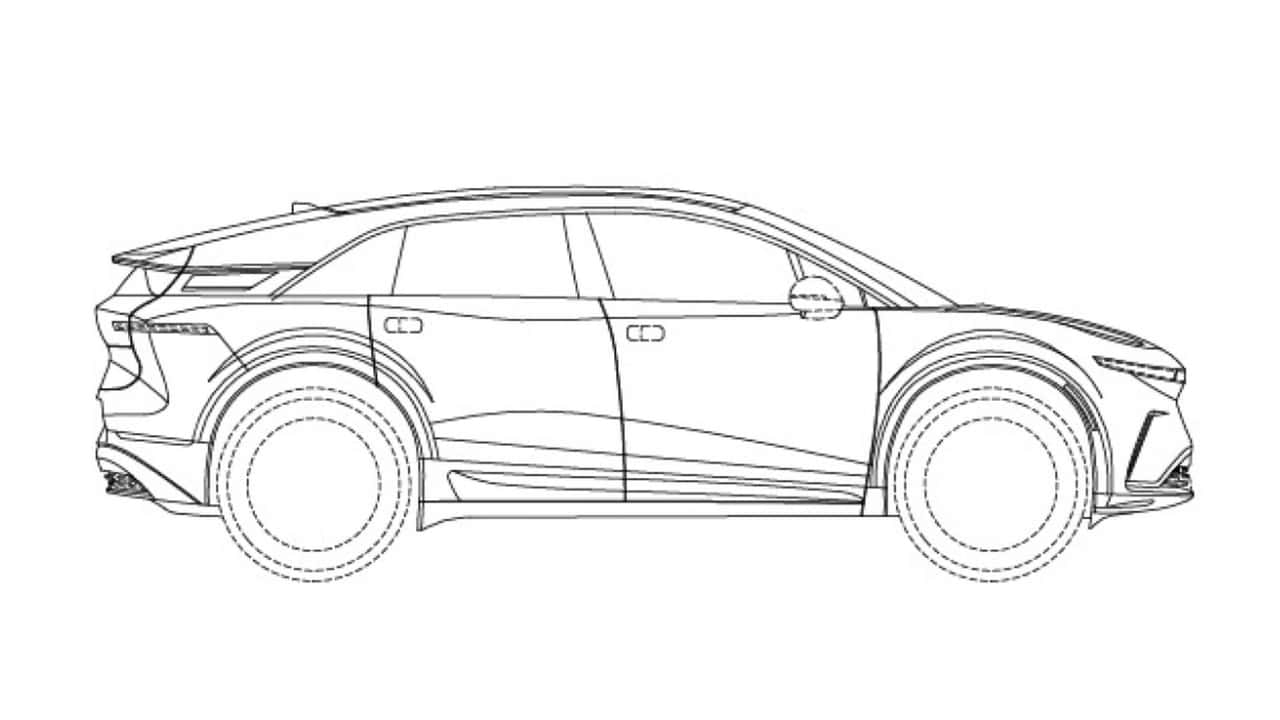
Lucid's first mass-market EV, the Cosmos, emerges in patent filings targeting Tesla Model Y and Rivian R2 with a $50,000 price point and 2025 launch.
2 comments
Sign in to join the discussion.
Sign inLucid's move to a mass-market crossover is a necessary survival play, but translating Air-grade battery tech into $50K economics while maintaining ISO 26262 ASIL-D compliance across scaled ADAS features will be brutal. The patent filings show clean aero, but the real test is whether they've embedded functional safety rigor from day one or are retrofitting it—volume production amplifies every latent fault, and mid-market buyers won't tolerate the recall cadence luxury early adopters accepted. Operators should watch Lucid's safety case documentation and FMEA discipline as closely as range claims. If Cosmos ships with robust pedestrian AEB, lane-keeping that doesn't phantom-brake, and a credible OTA update architecture that doesn't compromise fail-safe states, it signals they've learned from Tesla's regulatory struggles. Anything less, and they're just adding another brand to the NHTSA's investigation backlog while hemorrhaging cash.
Lucid's Cosmos gambit hinges on whether their hybrid-electric propulsion architecture—originally optimized for the Air's premium performance envelope—can be cost-reduced without sacrificing the efficiency moat that justifies market entry. Translating 900V battery chemistry into a $50K BOM while preserving enough range delta over the Model Y demands supply chain discipline most startups lack, especially when localizing production to meet IRA incentives and avoid tariff exposure. For regional fleet operators eyeing electrification, Cosmos matters less as a consumer play than as a bellwether: if Lucid can certify a scalable, mid-market platform that meets Part 23-equivalent reliability benchmarks under compressed timelines, it validates pathways for smaller OEMs developing purpose-built commercial EVs. Watch their battery module architecture patents—standardization there signals whether they're building for vertical integration or licensing plays that could accelerate broader adoption beyond personal mobility.