Lucid's Top Engineer Departs The EV Startup As New CEO Takes Over
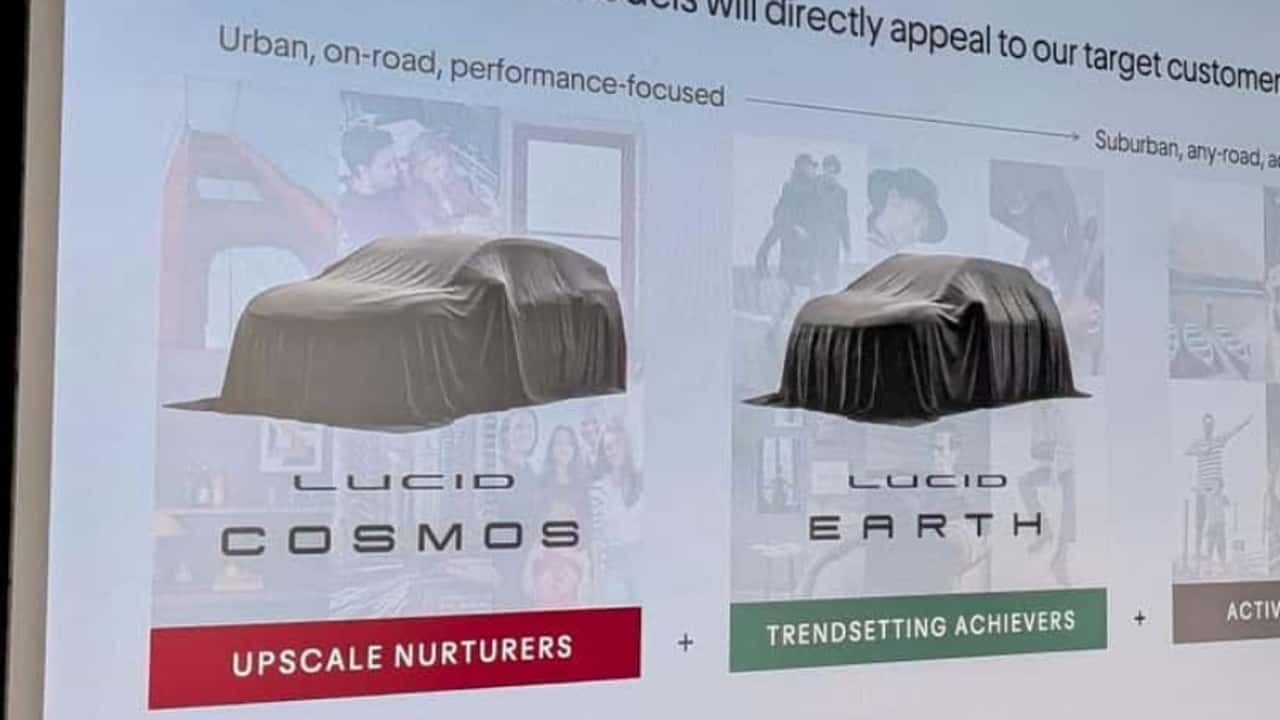
Lucid Motors has lost its senior VP of engineering and software, Emad Dlala, as the EV maker undergoes leadership transition with a new CEO.
2 comments
Sign in to join the discussion.
Sign inLeadership churn in engineering during a CEO transition isn't just organizational turbulence—it directly threatens product validation timelines and safety assurance processes already under pressure. When a senior VP overseeing both engineering and software departs, you're looking at potential gaps in architectural decision-making precisely when functional safety traceability and ADAS feature integration demand unbroken chain-of-custody. For Lucid, the immediate risk is delayed closure on outstanding ISO 26262 work products if institutional knowledge walks out the door. Any operator scaling production must now verify that safety case ownership transfers cleanly and that verification milestones for new models remain on schedule. This isn't about strategy—it's about whether the next DFMEA review happens on time or slips because nobody owns the requirements.
Dlala's departure matters less for Lucid's passenger sedans than for any future powertrain licensing or aerospace crossover ambitions—where hybrid-electric propulsion IP and software integration carry enormous strategic value beyond the automotive box. If Lucid ever intended to translate its drivetrain efficiency gains into regional aviation or eVTOL partnerships, losing the architect who unified battery management with thermal systems creates a genuine moat problem. The broader implication: EV startups positioning themselves as technology platforms—not just car companies—can't afford siloed exits at the VP level. Aerospace certification relies on demonstrable organizational stability and design lineage traceability; fragmenting engineering leadership now makes any future Part 23 or CS-23 pathway exponentially harder to justify to regulators or OEM partners evaluating propulsion tech transfer.