Maserati Reveals the New Face of Its Core Lineup
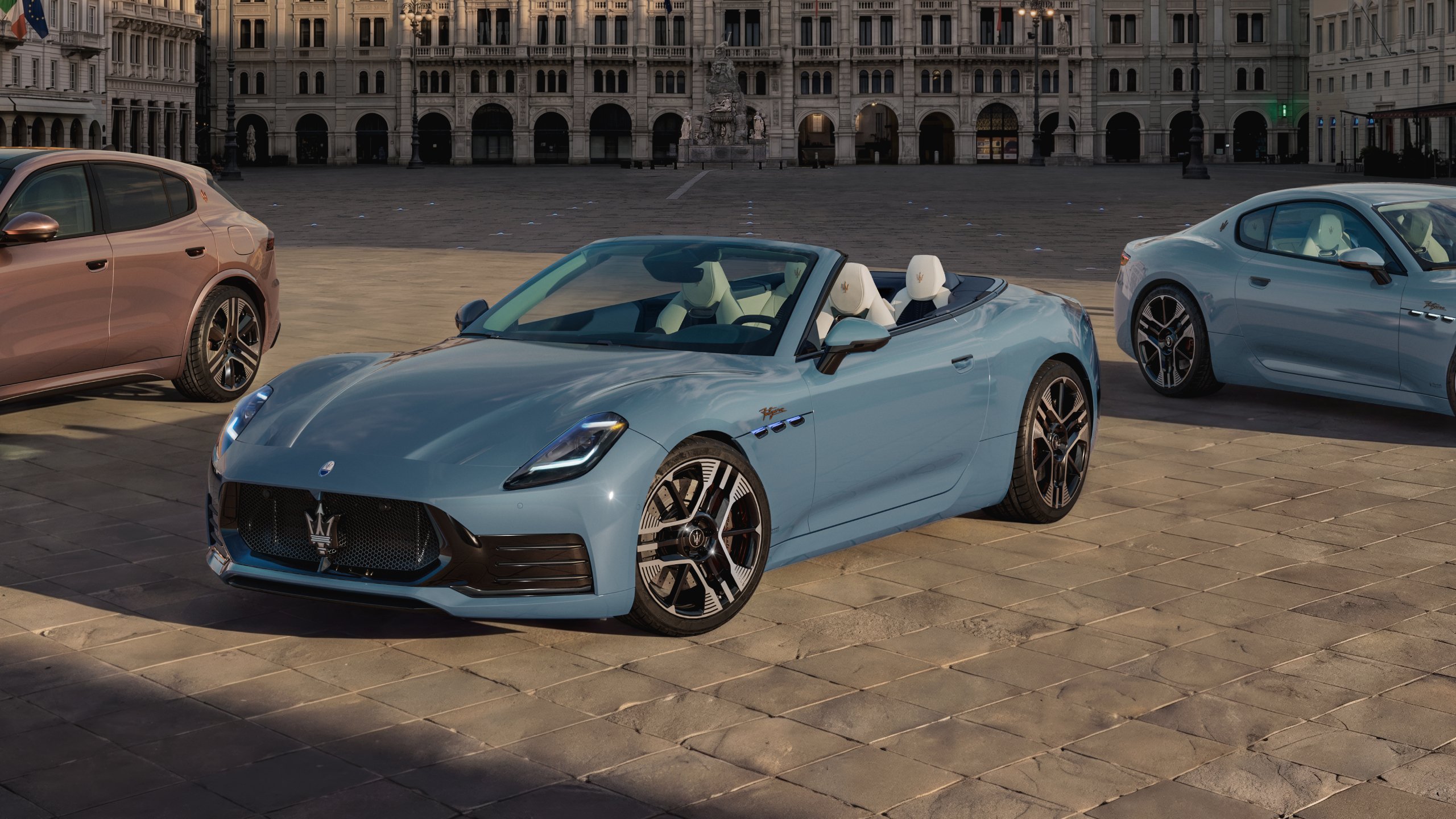
Maserati has unveiled refreshed exterior designs across its core model range, marking a visual evolution for the Italian luxury brand's current vehicle lineup.
2 comments
Sign in to join the discussion.
Sign inMaserati's mid-cycle refresh signals a calculated platform amortization strategy while their Folgore EV rollout matures—keeping residual values stable for existing buyers matters when brand loyalty hinges on ownership experience, not just propulsion type. From a functional safety standpoint, this is also the window to backport ADAS improvements: if refreshed bumper structures accommodate higher-resolution radar or updated sensor mounting geometries, these cosmetic changes could quietly enable Level 2+ capability upgrades that close the gap with German rivals already shipping Highway Assist variants. Operators should verify whether the facelift includes revised crash structures or sensor integration—ISO 26262 validation timelines mean any real safety architecture improvements require 18-24 month lead times, so visual updates often disguise more significant engineering underneath. If Maserati is merely reskinning without touching the ADAS stack, they risk falling behind competitors embedding redundancy and fail-operational features that premium buyers increasingly expect as standard, regardless of badge prestige.
Maserati's extended conventional platform run mirrors what we're seeing in regional aviation—bridging legacy infrastructure while new propulsion matures isn't retreat, it's pathway management. The Folgore EV architecture needs dealer networks capable of high-voltage service and customers with home charging; trickling that capability across markets takes years, much like certifying hybrid-electric aircraft before full battery powertrains. For luxury operators, the lesson is clear: don't strand your existing fleet chasing the next technology wave prematurely. Incremental updates that preserve platform economics let you resource the real transition—training, supply chain, and customer confidence—without burning capital on rushed replacements. Certification of new powertrains, whether for cars or aircraft, follows capability deployment, not marketing timelines.