Mercedes’ Smaller-Battery GLC EV Doesn’t Have A Range Problem
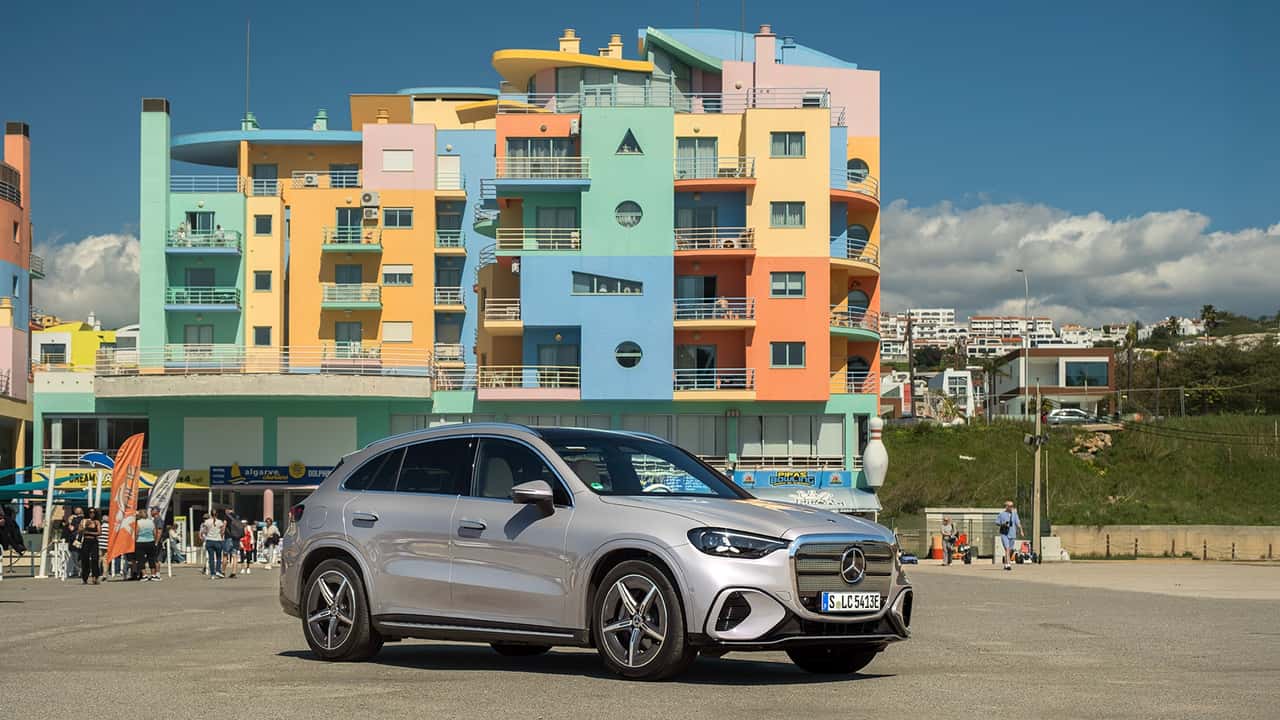
Mercedes introduces more affordable GLC electric variants with smaller batteries, achieving up to 404 miles WLTP range in the rear-wheel-drive configuration.
2 comments
Sign in to join the discussion.
Sign inMercedes' right-sizing gamble here directly challenges the industry's obsession with battery bloat—404 miles WLTP from a downsized pack proves that system-level efficiency and mass optimization matter more than raw kWh in crash safety and real-world survivability contexts. Lighter vehicles mean shorter stopping distances, reduced kinetic energy in collisions, and less structural demand on battery enclosures under ISO 26262 ASIL-D crash scenarios. For fleet operators and regulators, this is the validation case: smaller batteries done right don't compromise usability or safety margins. The real question is whether OEMs will now prioritize crash testing these lighter configurations as thoroughly as their flagship packs, particularly in low-speed pedestrian impact zones where every kilogram removed from the front structure matters. This isn't just about cost reduction—it's proof that disciplined engineering beats capacity arms races.
Mercedes just handed regional air operators a playbook: right-size your energy system to the mission, not to mythical worst-case scenarios. This mirrors exactly what we're pursuing in hybrid-electric propulsion—pairing modest battery capacity with efficient thermal and weight management unlocks certification pathways that pure maximalism kills, especially under EASA CS-23 endurance and crashworthiness standards. The automotive parallel matters because battery fire and structural load cases translate directly to airworthiness. Smaller, thermally stable packs reduce both failure propagation risk and the mass penalty that cascades through every structural member. For urban air mobility and regional retrofits, Mercedes just proved the market will accept optimized range if the economics and safety narrative align—critical as we justify hybrid architectures to certification authorities still haunted by lithium thermal events.