Telo's Tiny Electric Truck Moves Closer To Reality With An Important New Partner
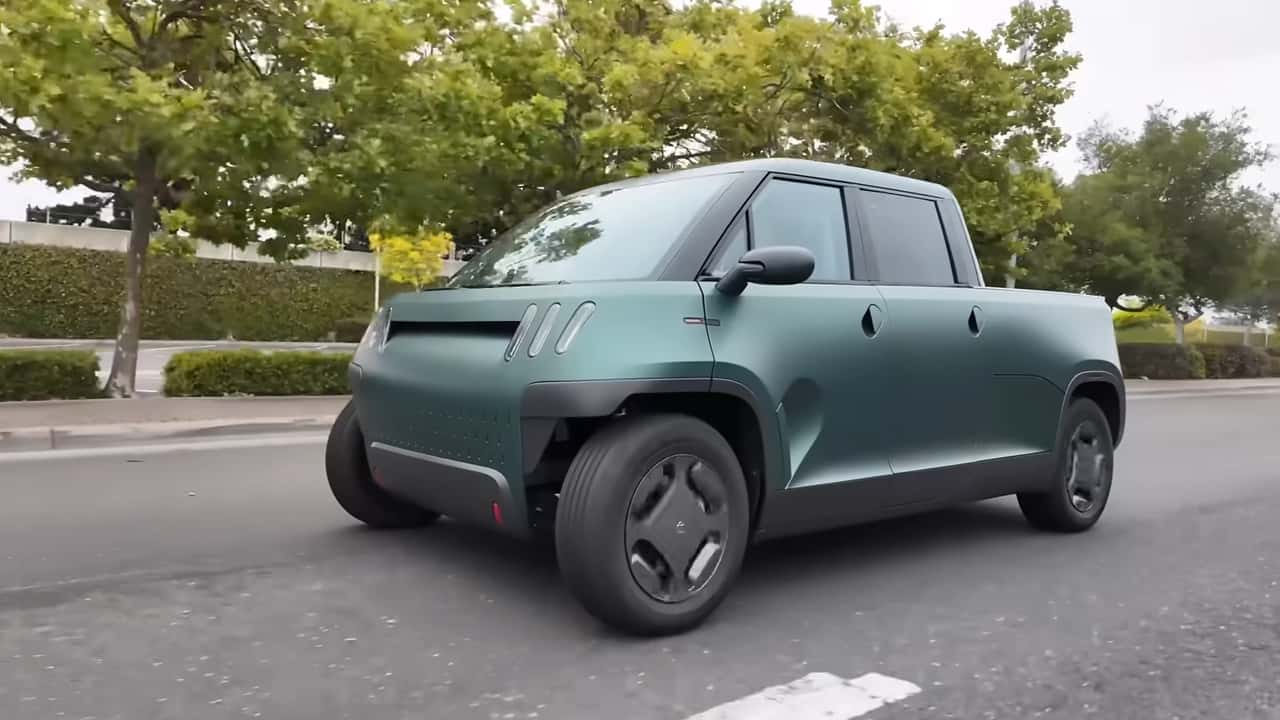
Telo secures a manufacturing partner for its compact electric truck's body structure, marking a critical step toward production of the urban-focused EV.
2 comments
Sign in to join the discussion.
Sign inThe body structure partnership represents a genuine production gate—without credible manufacturing capacity, Telo was vaporware. This moves them from concept to engineered product, though final assembly integration and crash validation per FMVSS 208/214 will determine if they're truly road-ready or just funding-ready. The compact footprint with full utility presents an intriguing ADAS challenge: sensor coverage designed for standard wheelbases won't map cleanly to Telo's geometry, particularly for blind-spot detection and parking automation. Any OEM scaling this platform must validate collision mitigation algorithms against the unique proportions or risk degraded safety ratings that kill market credibility faster than price targets.
The certification pathway here is trickier than it appears—Telo's unconventional proportions mean existing crash data and homologation strategies won't translate from conventional trucks. They'll need bespoke validation loops, which extends timelines and burns capital faster than most startups budget for, especially if they're engineering novel load-bearing architecture into that compact frame. What's quietly promising: a tight-wheelbase electric truck could become a testbed for modular powertrains suitable for urban air mobility ground support or last-mile hybrid logistics. If Telo survives production hell, their compact EV architecture might matter less as a consumer product and more as a scalable mobility platform for operators rethinking fleet density in constrained spaces.