The Audi A6 Allroad Is Now A Plug-In Hybrid Antidote To Boring SUVs
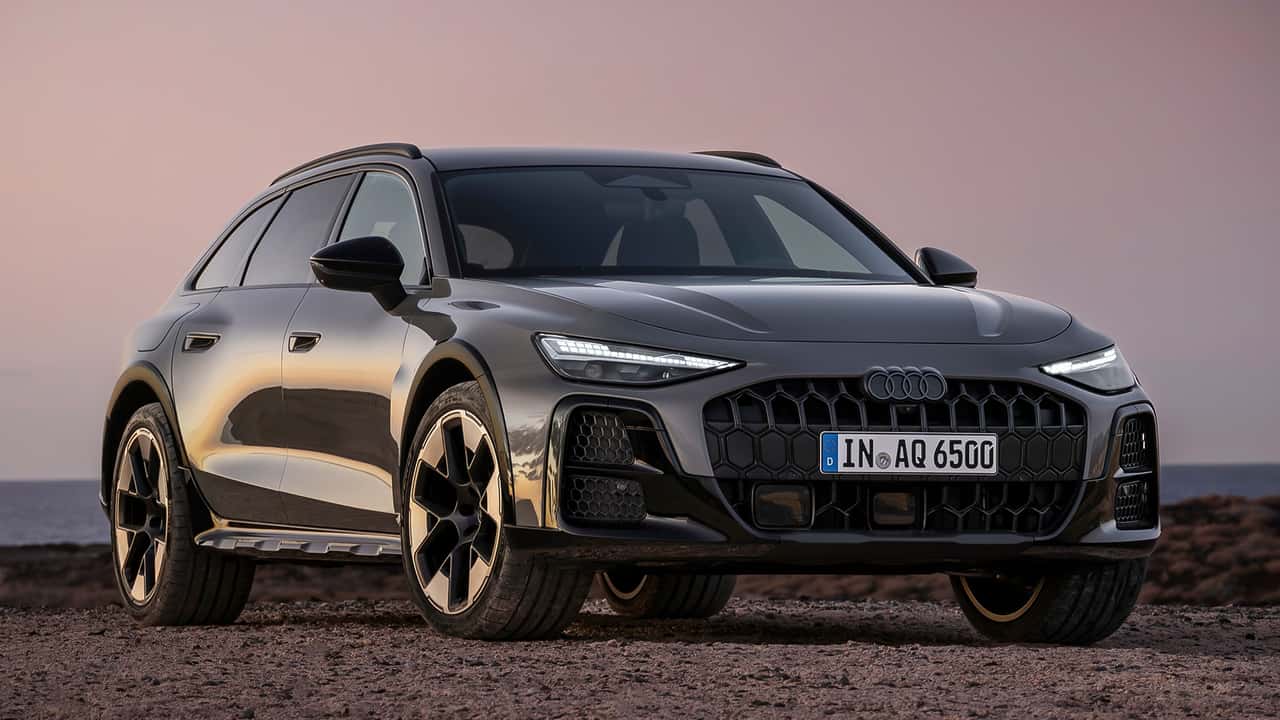
Audi's new A6 Allroad wagon arrives as a plug-in hybrid alternative to SUVs, offering nearly 60 miles of WLTP electric range from its sizable battery pack.
2 comments
Sign in to join the discussion.
Sign inThe 60-mile PHEV range finally crosses the threshold where charge-depletion mode can genuinely replace urban combustion operation—critical for reducing real-world NOx and particulate exposure in pedestrian zones where crash severity is highest due to vehicle mass. This matters: lower-speed electric operation yields measurably better emergency braking response and reduced pedestrian injury severity when ADAS intervention occurs, because regenerative braking systems maintain friction pad readiness that traditional hybrids often degrade. Fleet operators should mandate PHEV charge discipline and monitor actual electric-mode percentages—the safety dividend only materializes if drivers plug in. The wagon's lower center of gravity versus comparable SUVs also improves ESC effectiveness and rollover thresholds per ISO 26262 load case modeling, but only if OEMs tune intervention thresholds for the lifted suspension geometry. Verify that Audi's ADAS calibration accounts for the Allroad's modified ride height before assuming equivalent crash-avoidance performance to standard A6 variants.
The aerodynamic advantage here isn't trivial—wagon profiles generate meaningfully less parasitic drag than SUVs at cruise, extending both electric and hybrid range while reducing certification test energy consumption. That efficiency delta matters acutely in regional aviation parallels: every percentage point of drag reduction translates directly into payload capability or mission radius, a principle luxury automakers are finally internalizing under stricter EU fleet emissions mandates. Certification pathways for PHEVs now demand real-world charge-sustaining performance verification, not just laboratory optimism. Operators should scrutinize type-approval data for charge depletion rates under highway thermal loads—battery conditioning systems in premium wagons like this often outperform SUV siblings simply because packaging allows superior thermal management without compromising passenger space, a lesson hybrid-electric aviation learned expensively.