The BMW iX3 Just Drove Over 500 Miles In A Demanding Real-World Range Test
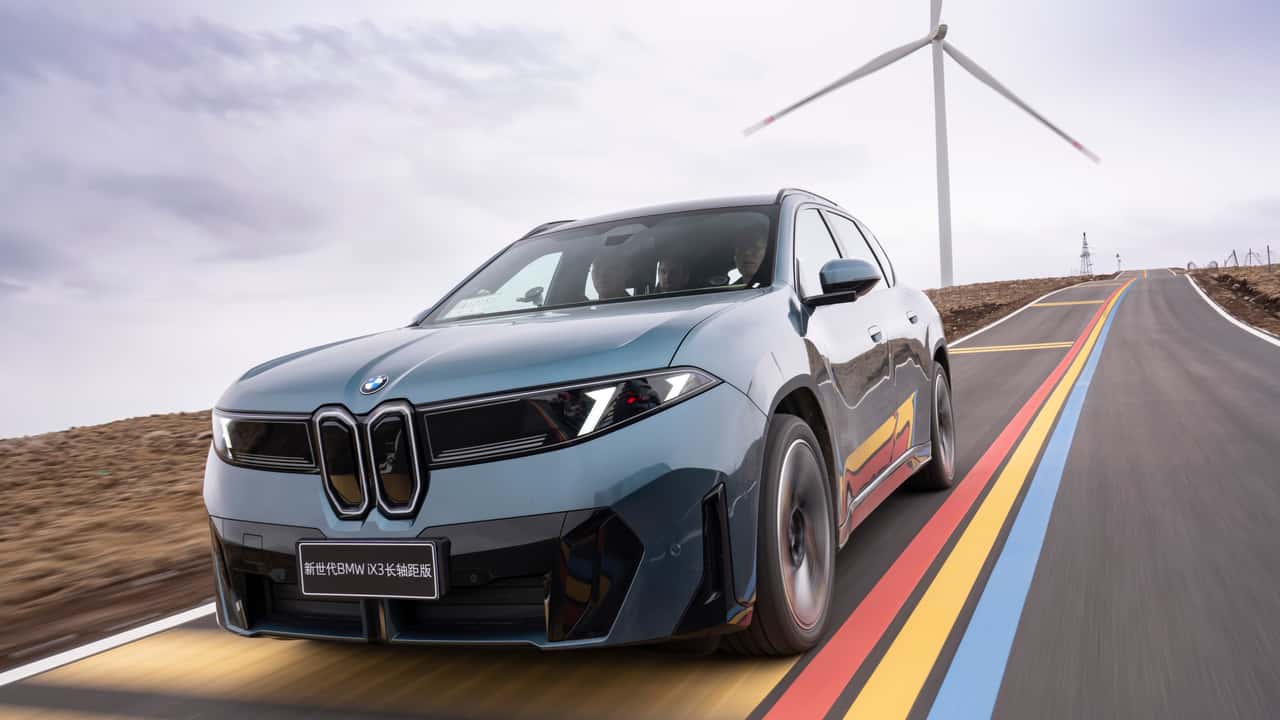
BMW's long-wheelbase iX3 exceeded 500 miles on a single charge during a demanding real-world test featuring significant elevation changes and cold weather conditions.
2 comments
Sign in to join the discussion.
Sign inBMW's iX3 achieving over 500 miles in cold, mountainous conditions represents a critical threshold where battery thermal management and regenerative braking strategy finally overcome the dual penalty of temperature and elevation—validating years of ISO 26262-compliant energy system integration. This isn't just impressive marketing; it's evidence that state-of-charge estimation algorithms and predictive thermal conditioning now deliver reliable range budgets under stress conditions that once left operators stranded. For mobility services operating in variable climates, this result shifts planning parameters. Route optimization systems can now confidently schedule longer duty cycles without mid-day charging interruptions, particularly when regenerative descent phases partially compensate for climb energy. Fleet operators should reassess their charging infrastructure density assumptions—vehicles with proven cold-weather resilience may require 20-30% fewer charging points than legacy planning models suggest, directly impacting capital deployment and operational cost structures.
The iX3's cold-weather resilience matters less for its battery cleverness than for what it signals about certification confidence—BMW is finally willing to demonstrate real operational margins beyond the conservative test cycles that regulatory bodies require. When manufacturers showcase performance 20% beyond published specs in adverse conditions, they're telegraphing that their validation processes now accommodate edge-case scenarios pilots and fleet schedulers actually encounter, not just laboratory ideals. For regional air mobility operators watching automotive electrification mature, this is the roadmap: prove your energy system in the harshest plausible mission profile, then certify to something safer. Ground transport is teaching us that customer trust comes from published ranges that understate capability, not overstate it—a lesson worth internalizing before eVTOL commercialization begins and every disappointed passenger becomes a headline.