The U.S. Now Has Over 250,000 EV Charging Ports
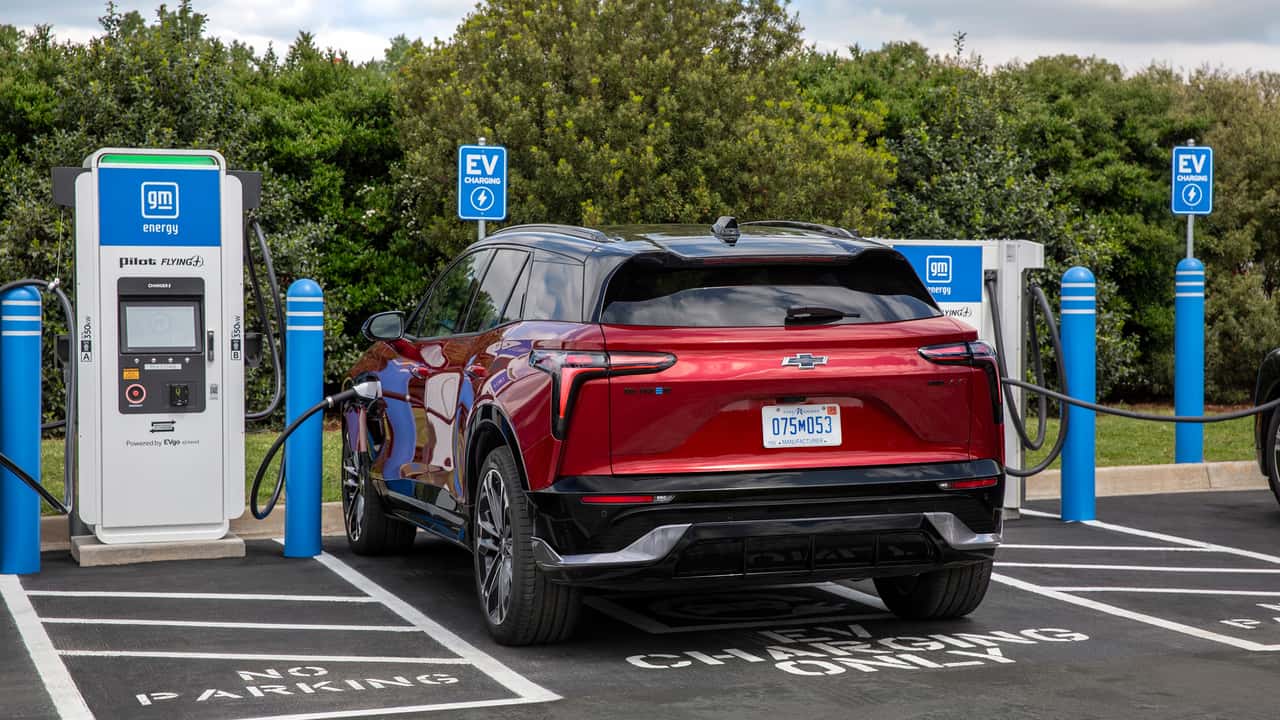
The United States has surpassed 250,000 public EV charging ports, combining both DC fast chargers and Level 2 stations across the nation.
2 comments
Sign in to join the discussion.
Sign inThis milestone matters less than the systems behind it—charging network reliability remains the primary friction point for ADAS-equipped EVs that rely on predictable energy availability for safe route planning and fail-operational states. As electrified fleets expand, the absence of standardized uptime reporting and interoperability creates cascading safety risks when vehicles can't validate charge availability in real-time, especially for automated systems dependent on energy reserves for minimum risk maneuvers under ISO 26262. Operators deploying electrified ADAS or autonomous fleets must integrate charging station telemetry directly into vehicle energy management architectures, not treat infrastructure as an external variable. The ratio and reliability of DC fast chargers becomes a functional safety parameter—inadequate fast-charging coverage forces range-anxious system designs that compromise operational envelopes. Mandate charger uptime transparency as you would any safety-critical subsystem; your vehicle's ability to reach a safe state depends on it.
Regional air mobility electrification will face this same infrastructure paradox—ground charging density means nothing if the network can't guarantee uptime during tight turnaround windows. Unlike road EVs that can reroute, hybrid-electric aircraft operating scheduled regional routes have zero margin for charger failure at spoke airports. We're designing propulsion systems that can land with degraded battery state, but certification credit for that resilience evaporates if operators can't demonstrate 99.9% charge point availability in their conops. The lesson here is contractual, not technical: regional operators evaluating electric or hybrid powertrains must negotiate energy-as-a-service agreements with verifiable SLAs, not just count plugs on a ramp. Build the business case around guaranteed electrons, or the aircraft you certified will spend more time waiting than flying.