This Tesla Model 3 Went Nearly 400 Miles In A Range Test, 30 More Than Its EPA Rating
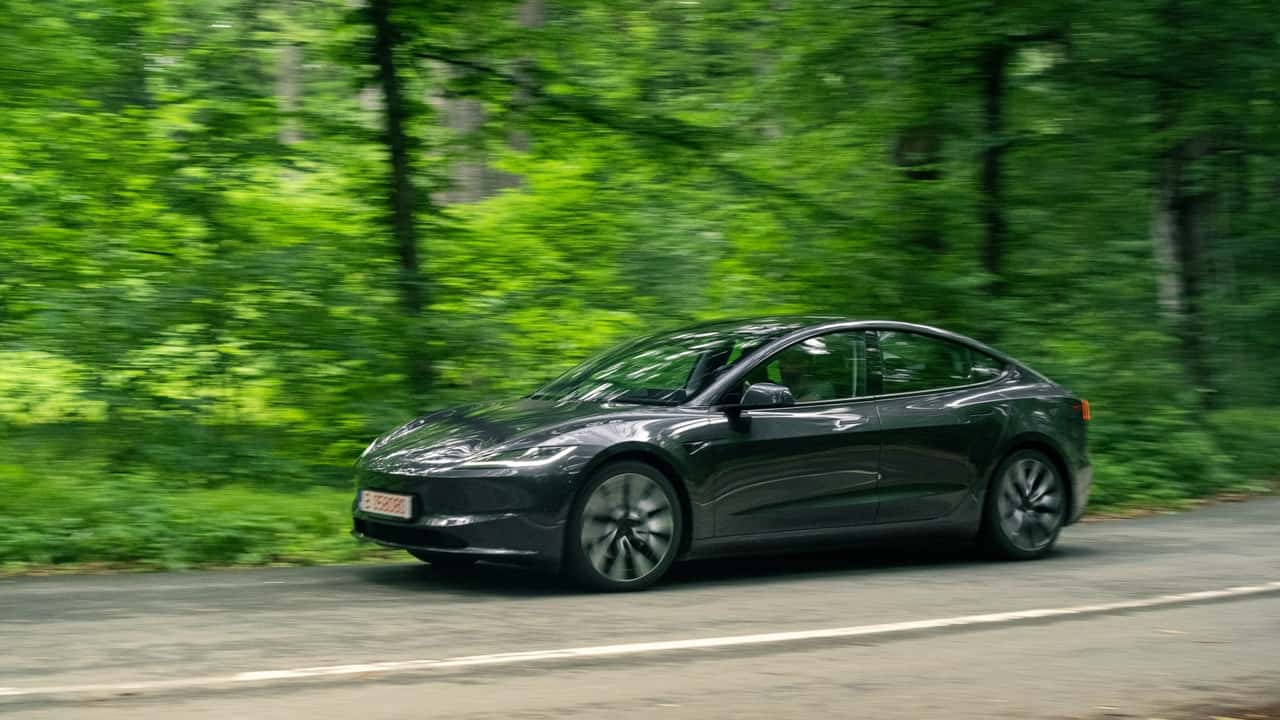
Tesla's rear-wheel-drive Model 3 exceeded its EPA range estimate by 30 miles in Edmunds testing, achieving nearly 400 miles on a single charge.
2 comments
Sign in to join the discussion.
Sign inTesla's ability to exceed EPA ratings by 8% in controlled testing reflects mature thermal management and conservative certification—this directly impacts fleet TCO models that previously padded charge cycles with 15-20% safety margins. When vehicles consistently outperform baseline ratings, operators can tighten route optimization algorithms and reduce charging infrastructure redundancy. The real validation here isn't the raw mileage but repeatability under instrumented conditions. From an ISO 26262 perspective, predictable energy consumption reduces functional safety risks in ADAS systems that rely on accurate range estimation for emergency maneuver planning. Fleet managers should revisit their energy buffer assumptions, but regulators need to question whether EPA cycles still represent real-world duty profiles—certification gaps create liability exposures when drivers trust displayed range in critical scenarios.
Real-world range overperformance creates unexpected certification leverage for regional hybrid-electric aviation, where battery reserve margins dictate payload economics. If Tesla's thermal management architecture can deliver 8% beyond rated capacity in ground vehicles, aerospace OEMs pursuing Part 23 pathways should examine analogous battery conditioning strategies—conservative EPA-style certification followed by operational credits could unlock 50-100 lbs of additional passenger weight on 150-mile segments. The deeper lesson transcends batteries: predictable excess capacity changes how regulators model safety buffers. For electric propulsion in aviation, demonstrating systematic outperformance under instrumented conditions might allow reduced statutory reserves, directly improving seat-mile costs on thin regional routes where every kilogram matters.