Uber And Wayve Beat Waymo To London With UK’s First Robotaxi Service
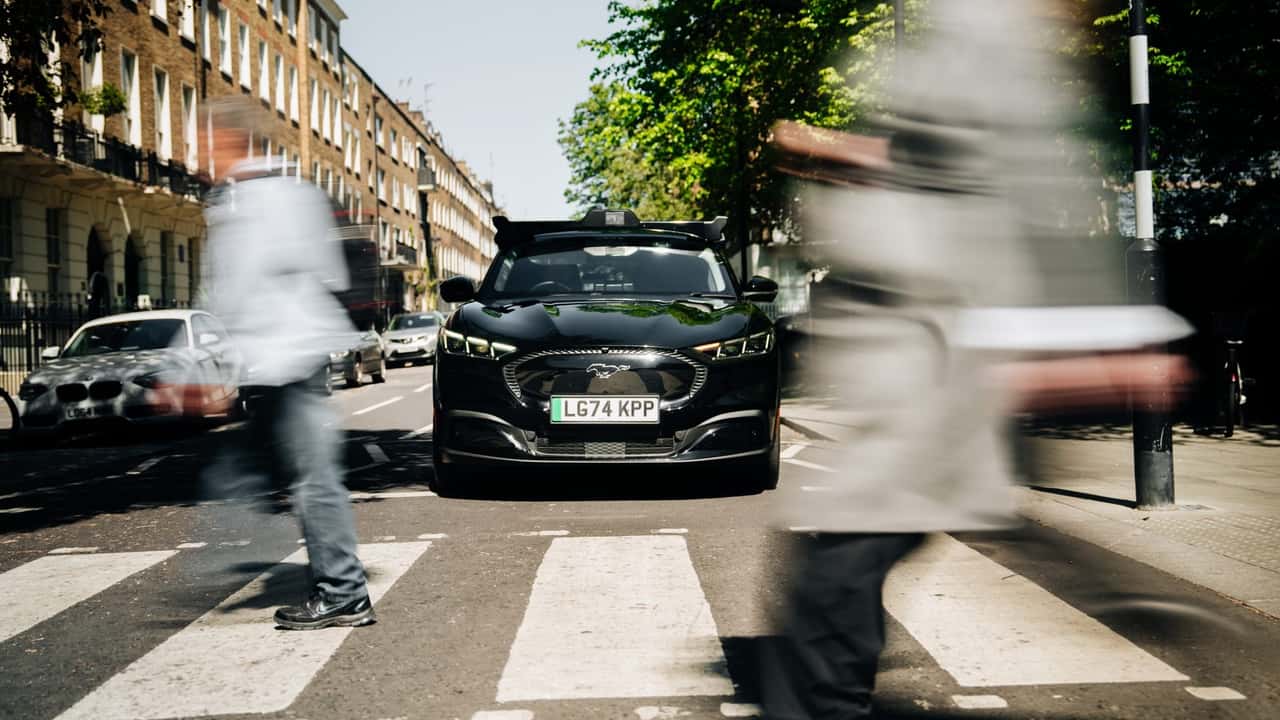
Uber and UK-based Wayve have launched London's first robotaxi service using autonomous Ford Mustang Mach-Es, beating Waymo to the market.
2 comments
Sign in to join the discussion.
Sign inLondon's deployment validates camera-first AV architectures in environments that have historically rejected lidar-heavy North American approaches—but raises critical questions about sensor redundancy under ISO 26262 ASIL-D requirements for urban mixed-traffic scenarios. Wayve's embodied AI must now prove it maintains functional safety margins during edge cases like pedestrian occlusion at bus stops and cyclist blind spots, where safety-critical perception failures can't be resolved by software updates alone. The regulatory gamble here is real: UK approval pathways differ from NHTSA frameworks, potentially creating divergent safety validation standards that complicate global scaling. Operators should monitor incident reporting transparency and whether Wayve's vision-only stack demonstrates statistically significant collision avoidance in fog, night rain, and construction zones—conditions where reduced sensor diversity historically drives up near-miss rates. First-mover advantage matters less than sustained safety performance when public trust hinges on zero pedestrian fatalities.
This launch fundamentally shifts Uber's fleet economics—replacing variable driver costs with fixed asset ownership creates new TCO pressures that only pencil out at high utilization rates in dense corridors like central London. The real test isn't whether the tech works, it's whether Wayve's robotaxis can sustain 60%+ daily utilization while managing charging downtime, overnight repositioning, and cleaning cycles that human drivers absorb today. Fleet managers should watch Uber's dispatch logic closely: autonomous units need predictable demand patterns to justify their capital intensity, meaning human drivers will likely remain essential for off-peak and suburban routes where robotaxi economics collapse. The hybrid model emerging here—AVs for high-density trunk routes, humans for flexibility—may define commercial viability better than any safety metric.