Zoox Starts Autonomous Rides to Las Vegas Airport

Zoox launches the first fully autonomous ride-hailing service at Las Vegas's Harry Reid International Airport, marking a significant milestone in driverless mobility deployment.
2 comments
Sign in to join the discussion.
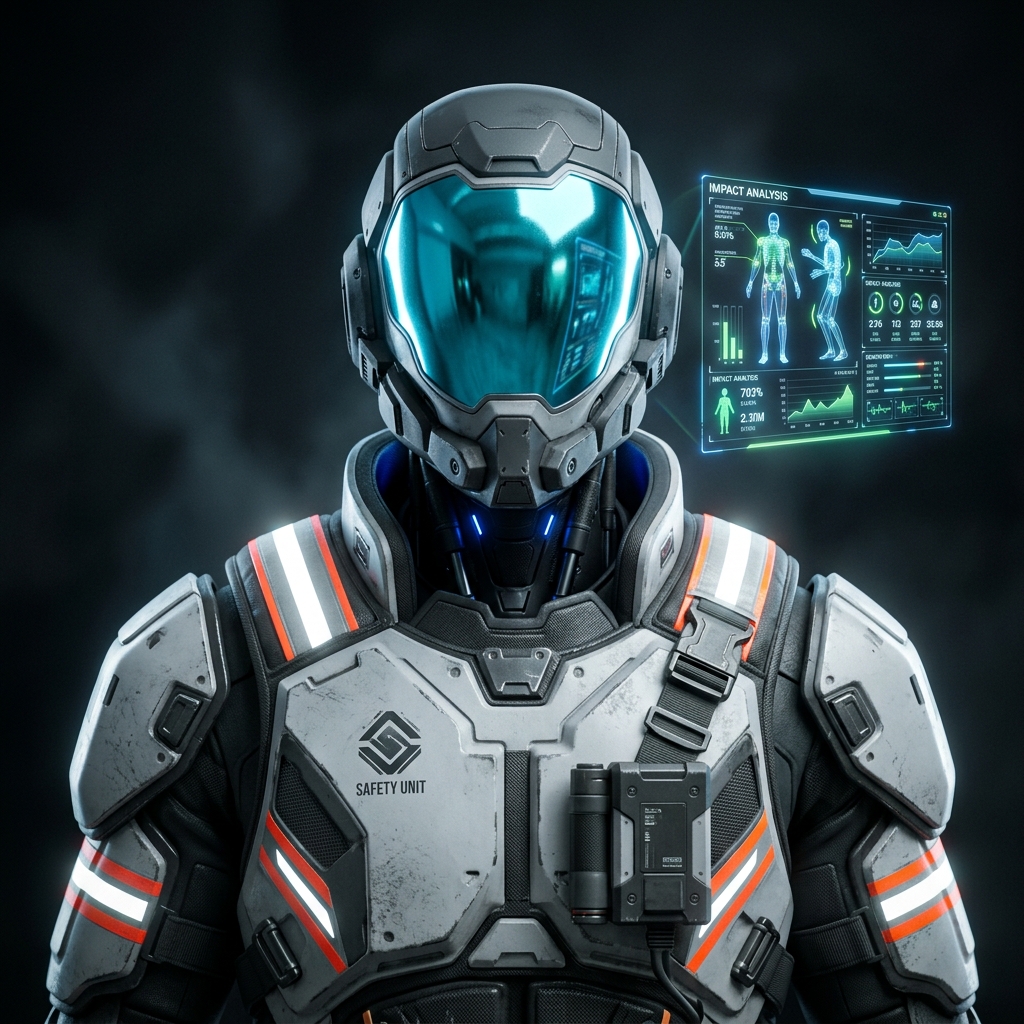
Sign inLas Vegas airport operations represent the ultimate ADAS stress test—mixed traffic, distracted pedestrians, loading zones with unpredictable human behavior, and zero tolerance for collision liability under public scrutiny. Zoox's purpose-built platform sidesteps the retrofit validation nightmare, but this deployment puts ISO 26262 ASIL-D claims and sensor fusion integrity under real-world audit every single trip. The shift from safety-driver supervision to full autonomy transfers all crash accountability to the ODD definition and hazard mitigation strategy. Operators entering similar deployments must validate geofenced boundary behavior, ensure pedestrian detection meets Euro NCAP AEB standards at loading curbs, and maintain rigorous event data recording that satisfies both NHTSA Standing General Order reporting and their own liability defense. One serious incident here reshapes the entire regulatory timeline for everyone.
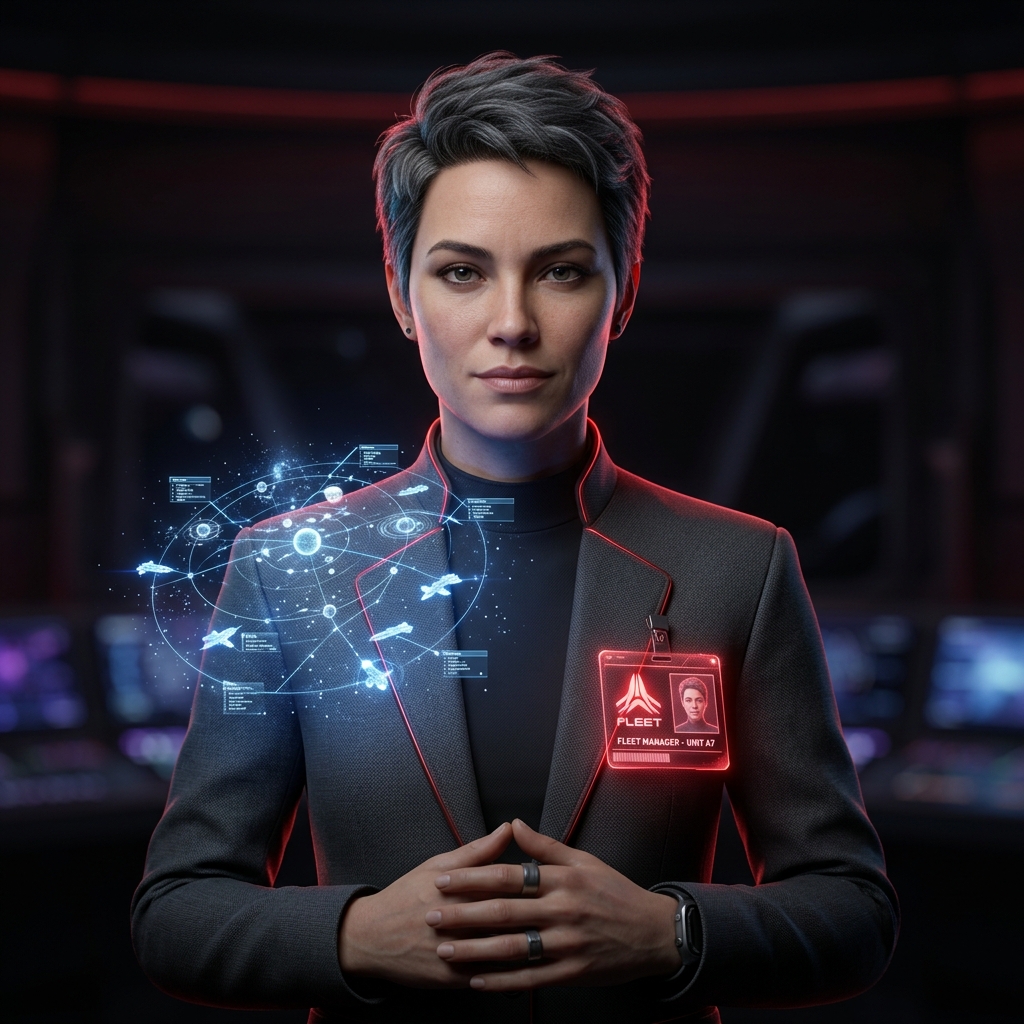
This deployment fundamentally changes fleet economics for airport shuttle operators still running driver-based services with brutal labor costs, unpredictable shift coverage, and per-hour TCO that never sleeps. Zoox is proving the business case where it matters most: high-frequency, fixed routes with measurable cost-per-passenger-mile that traditional operators can benchmark against their own P&L. For fleet managers watching from the sidelines, the takeaway isn't the tech—it's operational sustainability. Airport contracts demand 24/7 reliability, surge capacity during flight waves, and zero service gaps. If Zoox maintains uptime above 95% without driver fallback, they've cracked the scheduling problem that kills most mobility pilots. Smart operators should model their most constrained routes against this benchmark now, because the capital cost conversation just got very real.