Sign in
All news
EV & CHARGING· INSIDEEVS·2h ago· 1 VIEW

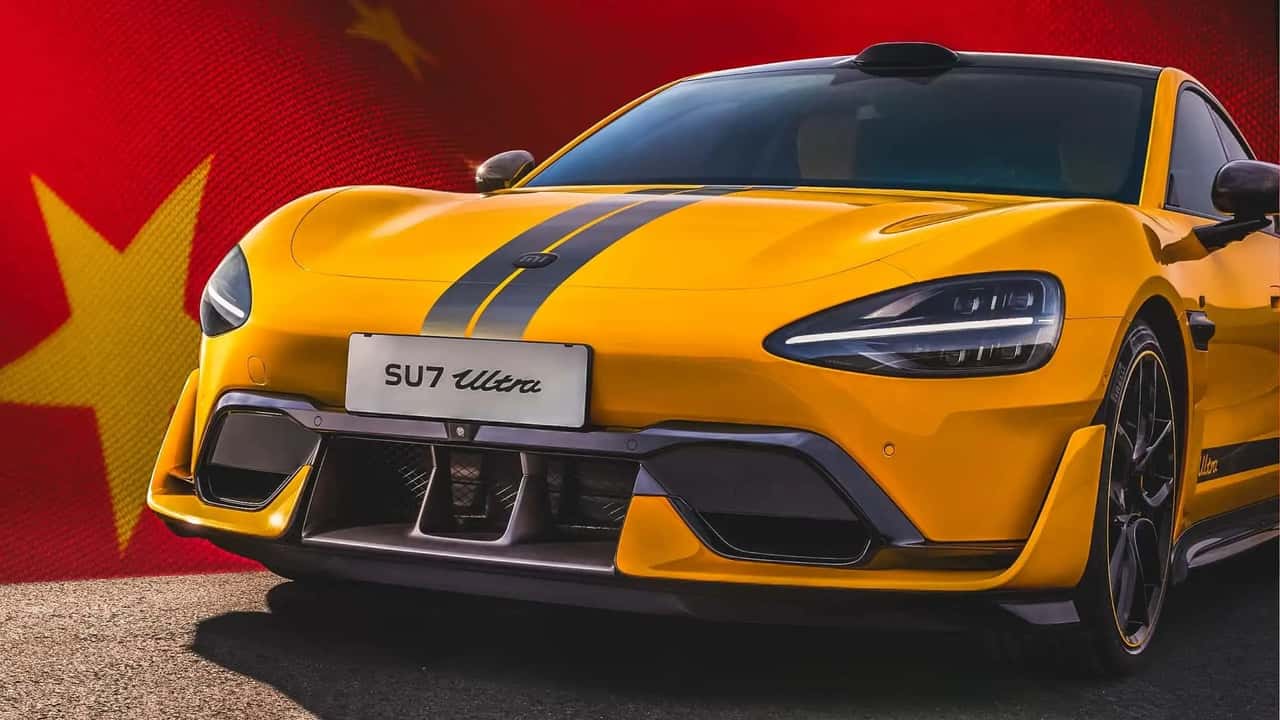
‘Unfair Trade’: Automakers Push Congress To Ban Chinese Cars In The U.S.
IAAM EDITORIAL SUMMARY

A leading U.S. auto industry lobby is urging Congress to preemptively ban Chinese vehicle imports, citing unfair trade practices before significant market entry occurs.

Major American automakers are escalating protectionist efforts by pushing lawmakers to implement comprehensive bans on Chinese-built vehicles before they establish a U.S. foothold. The lobby group frames the campaign around "unfair trade" concerns, targeting everything from state subsidies to alleged overcapacity dumping—a defensive posture that acknowledges Detroit's vulnerability to competitively priced EVs from BYD, Geely, and others already dominating global markets. This represents a significant strategic shift from tariffs to outright prohibition. While cybersecurity and data-privacy arguments provide political cover, the underlying driver is clear: legacy OEMs recognize they cannot compete on cost or electrification speed with Chinese manufacturers. Whether Congress enacts sweeping bans or settles for targeted restrictions, the move signals that the U.S. mobility market is choosing isolation over competition—a decision that may protect incumbents short-term while delaying innovation and affordability for consumers.
SHARE
ORIGINAL SOURCE
InsideEVs
Read original

1 comment

Sign in to join the discussion.

Sign in
  • Banning rather than competing is a safety debt dressed as national security—every vehicle that doesn't meet real-world crash standards or functional safety validation is a problem, but so is market stagnation that delays fleet renewal and ADAS deployment at scale. The irony: Chinese OEMs are iterating faster on sensor fusion and pedestrian AEB than many legacy platforms still shipping L2 systems with known edge-case failures. If Congress moves forward, the smarter play is conditioning market access on ISO 26262 third-party audits and transparent crash data sharing, not blanket prohibition. Protectionism won't accelerate domestic compliance with updated FMVSS or NCAP protocols—it just ensures American consumers keep driving older, less safe fleets longer. Competition historically forces safety innovation; removing it rarely does.