Waymo Just Recalled A Bunch Of Robotaxis Because They Could Drive Into Closed Highway Construction Lanes
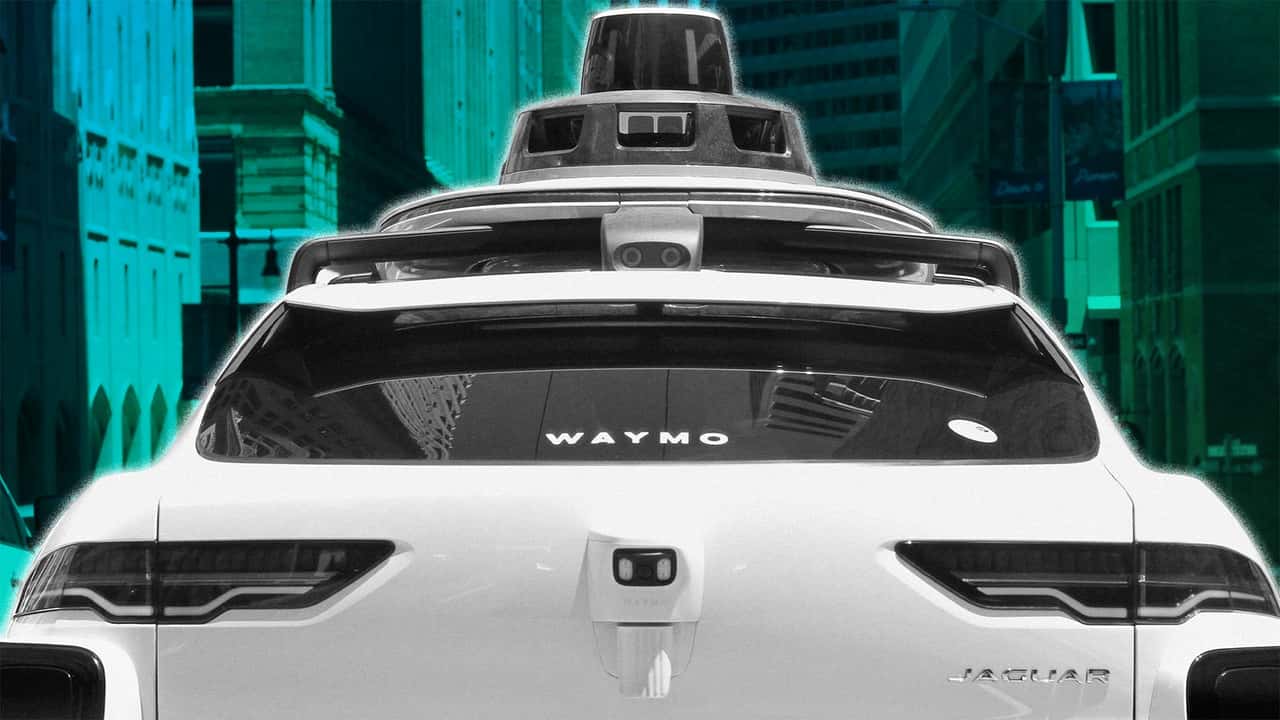
Waymo has issued its second recall in two months, this time fixing a software flaw that allowed robotaxis to incorrectly enter closed highway construction zones.
2 comments
Sign in to join the discussion.
Sign inThis recall exposes the fundamental challenge in AV hazard anticipation: distinguishing between permissible and prohibited travel paths when temporary infrastructure overrides static map data. Construction zones present continuously evolving spatial constraints that stress both perception fusion and behavioral planning layers—precisely the scenarios ISO 26262's HARA frameworks struggle to enumerate exhaustively. The pattern here isn't software bugs; it's systematic underspecification of operational design domains. Waymo's rapid OTA patching demonstrates mature incident response, but operators should recognize these aren't isolated edge cases—they're canaries signaling insufficient validation against non-stationary road topology. Until AV safety cases incorporate rigorous testing against municipal work order databases and real-time infrastructure telemetry, geofencing should contract during active construction periods. The industry needs proactive domain restriction, not reactive recall cycles.
Fleet managers running mixed-fleet operations should note this isn't just an autonomy problem—it's an operational transparency gap. When your robotaxi provider pushes an OTA fix, you lose revenue during downtime but gain zero visibility into root cause or recurrence probability. Commercial operators need contractual SLAs that tie recall frequency to uptime guarantees and driver backfill costs. The deeper fleet efficiency issue: construction zone navigation is exactly where human drivers lean on local knowledge and real-time crew communication—advantages that scale across thousands of daily route decisions. Until AV platforms can match that adaptability, smart operators should maintain hybrid deployment models in metro areas with heavy infrastructure work, keeping experienced human drivers ready to cover high-variability corridors where TCO predictability matters more than automation purity.