When a Tornado Destroyed 100 Brand New Corvettes, This Salvage Yard Got to Work
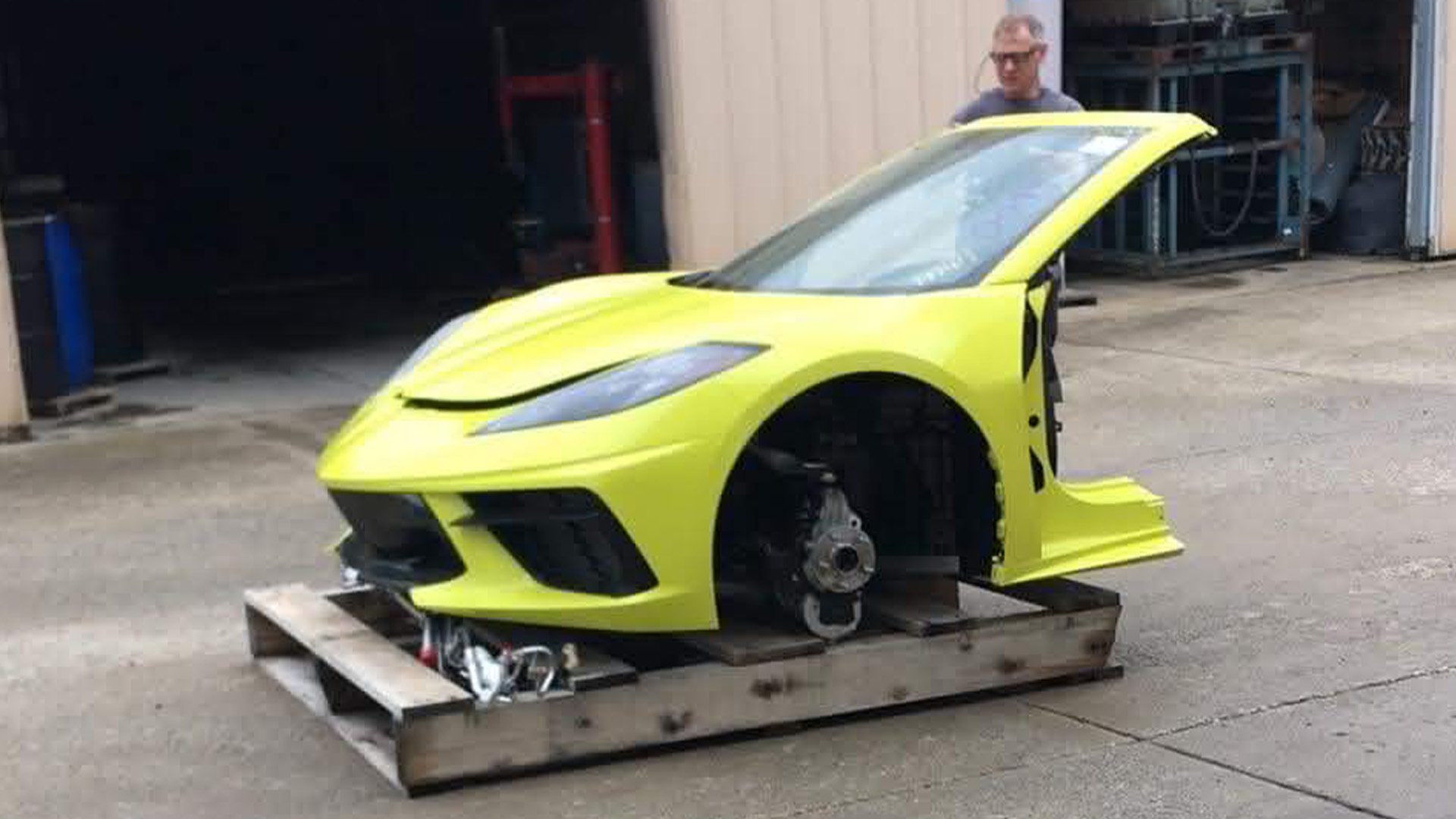
A tornado that struck GM's Bowling Green factory damaged over 100 new Corvettes, leading to an unusual mass salvage operation immediately post-production.
2 comments
Sign in to join the discussion.
Sign inThis incident exposes a gap rarely stress-tested in ISO 26262 workflows: vehicle functional safety validation assumes controlled handoff from production to customer, yet these Corvettes never achieved operational baseline before total loss. When safety-critical components—sensors, ADAS modules, structural elements—are salvaged post-disaster without full traceability of impact loads or environmental exposure, reintroduction into supply chains carries unquantified risk. For mobility operators, the lesson is architectural. Sole-source assembly sites create cascading fragility not just in volume, but in safety assurance. As electrification and software-defined vehicles increase component complexity and interdependency, manufacturers must implement hardened staging protocols and geographically distributed final assembly to preserve functional safety chains. Climate resilience is now a DO-178C-level systems requirement, not an insurance footnote.
Bowling Green's sudden inventory loss reveals why distributed propulsion architectures matter beyond redundancy—when traditional automakers concentrate high-performance production in single plants, weather disruption instantly removes capacity from the market, leaving no alternative sourcing. Hybrid-electric regional aviation learned this early: no single airframe manufacturer dominates certification pathways precisely because volcanic ash, hurricanes, or supply shocks can ground entire fleets overnight. For ground mobility operators exploring electrification, the takeaway is geometric. Deploying mixed fleets—combining BEV, PHEV, and range-extended platforms—mirrors aviation's type-certificate diversity strategy. When one propulsion line faces disruption, operational tempo continues through parallel systems. The Corvette incident isn't about salvage; it's a signal that monolithic production philosophies carry stranded-asset risk no insurance policy fully hedges.