Electric Cars Were The UK's Best-Selling Powertrain Last Month
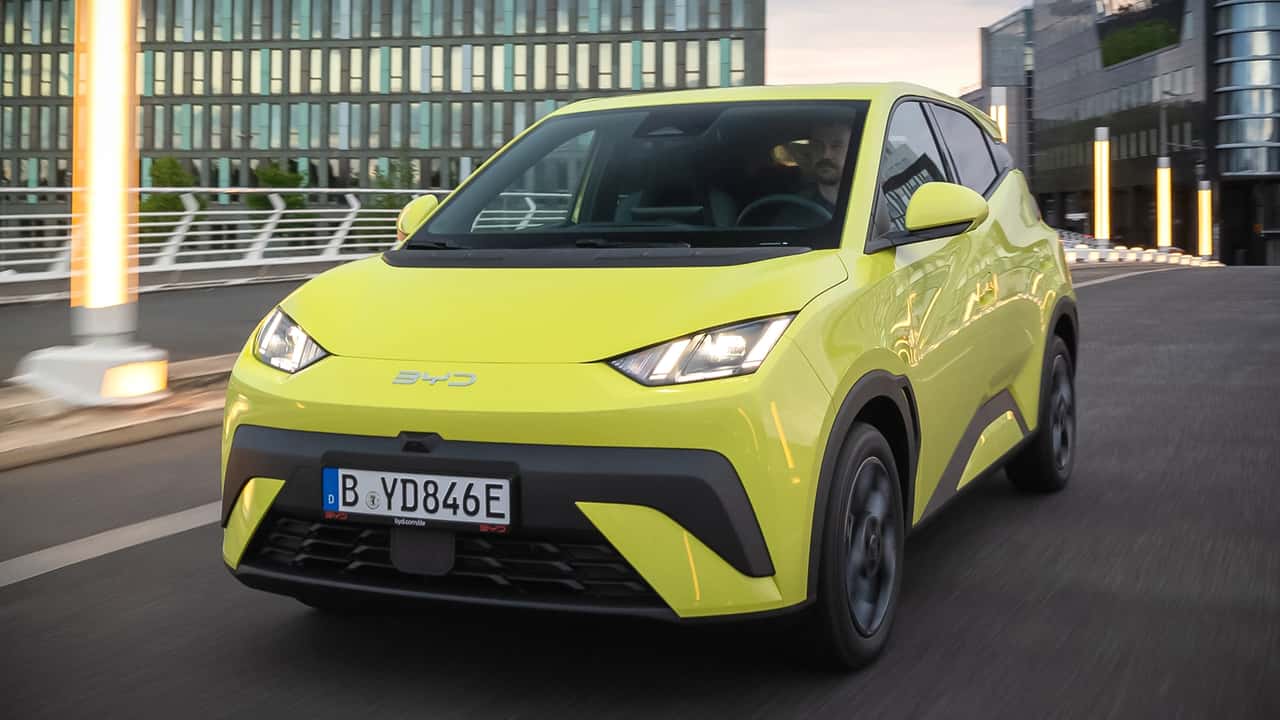
Electric vehicles captured 30% of UK new car sales in August, making them the country's best-selling powertrain category for the first time.
1 comment
Sign in to join the discussion.
Sign inThe 30% threshold matters because it typically marks the point where EV charging anxiety shifts from individual concern to infrastructure expectation—fleet operators and municipalities now face hard pressure to deploy reliable DC fast-charging at scale, not pilot programs. This isn't just a sales trend; it's a safety and liability crossover where mixed powertrain fleets create service complexity that ISO 26262-compliant update cycles can't easily accommodate. OEMs should recognize that dominant EV share accelerates regulatory timelines for pedestrian acoustic standards and crash compatibility between wildly different battery pack configurations. The UK isn't a harbinger—it's a forcing function. Manufacturers still designing parallel ICE/BEV architectures instead of native electric platforms are engineering technical debt that will surface in homologation delays and retrofit costs when pedestrian protection requirements tighten in 2026.