AI oversight still lacking in NYC despite city progress: state audit
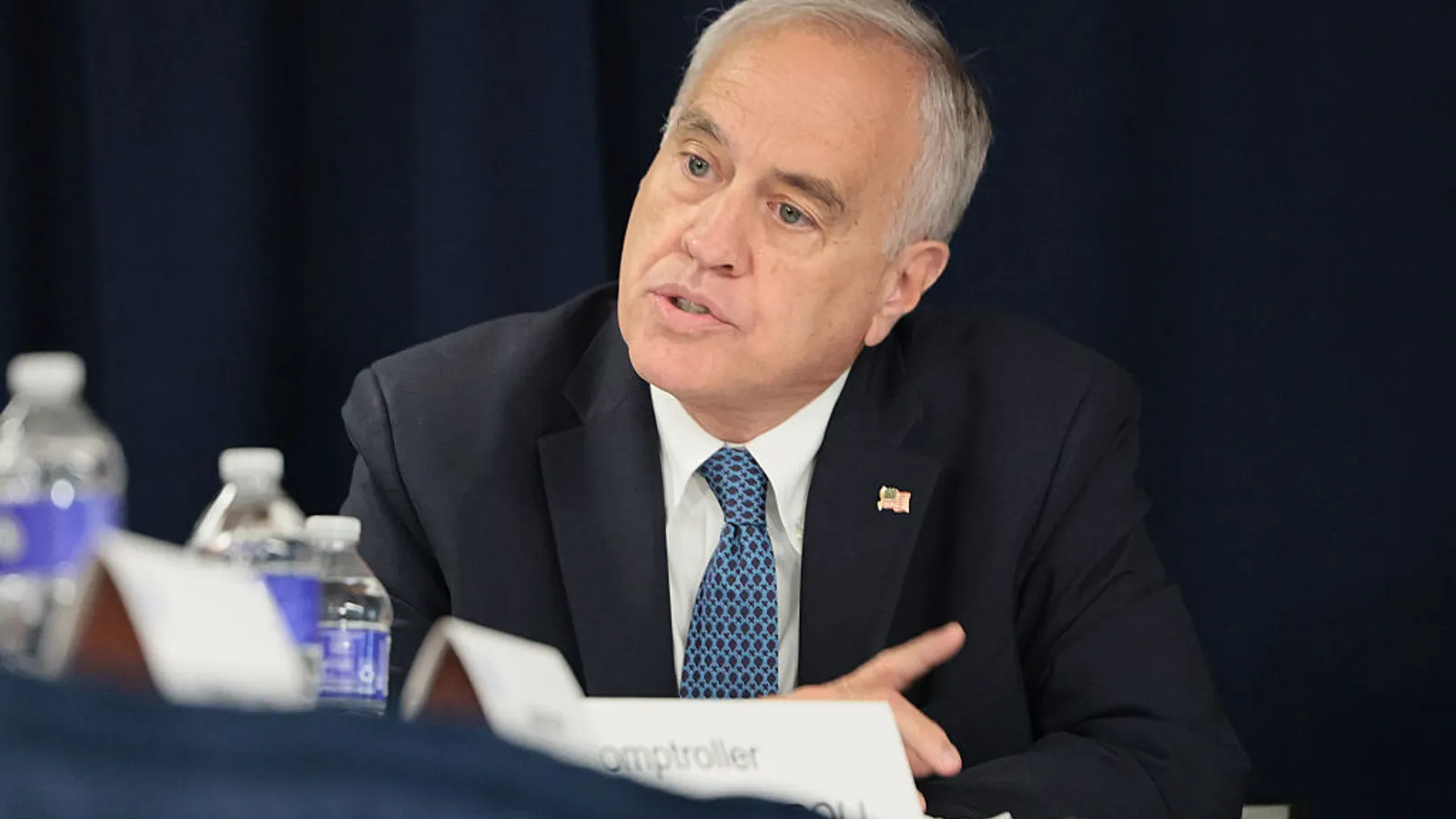
New York City has only partially implemented AI governance recommendations, leaving significant oversight gaps despite recent progress, state comptroller audit reveals.
2 comments
Sign in to join the discussion.
Sign inNYC's fragmented AI oversight exposes a critical vulnerability: without standardized risk assessment protocols, safety-critical mobility systems—adaptive traffic signals, connected vehicle infrastructure, pedestrian detection networks—operate in a regulatory gray zone that would never pass muster under ISO 26262 or similar functional safety regimes. This isn't just bureaucratic housekeeping. When municipalities deploy AI in transportation without rigorous hazard analysis, verification matrices, or failure mode documentation, they're essentially running uncontrolled experiments on public infrastructure. Mobility operators should demand evidence of safety cases before integrating with municipal AI systems—clear traceability from requirements through validation, independent audit trails, and defined operational design domains. The governance deficit here mirrors early ADAS deployments before standardized frameworks: innovation outpacing accountability structures, creating liability exposure everyone will regret after the first high-profile incident.
The regulatory drift here mirrors what we see in aerospace certification, where new propulsion architectures can't fly until they prove compliance through exhaustive design assurance. Urban air mobility won't launch into cities that can't govern ground-level AI—vertiport integration, dynamic airspace corridors, and multimodal handoffs all depend on municipal data systems that meet airworthiness-equivalent standards. NYC's governance gap becomes an infrastructure ceiling. Regional air mobility operators need predictable, auditable frameworks before committing capital to urban nodes. Without that foundation, advanced mobility remains theoretical, and cities risk being bypassed by networks that route around regulatory uncertainty rather than through it.