Another day, another illegal billion-dollar bribe to raise your electricity prices
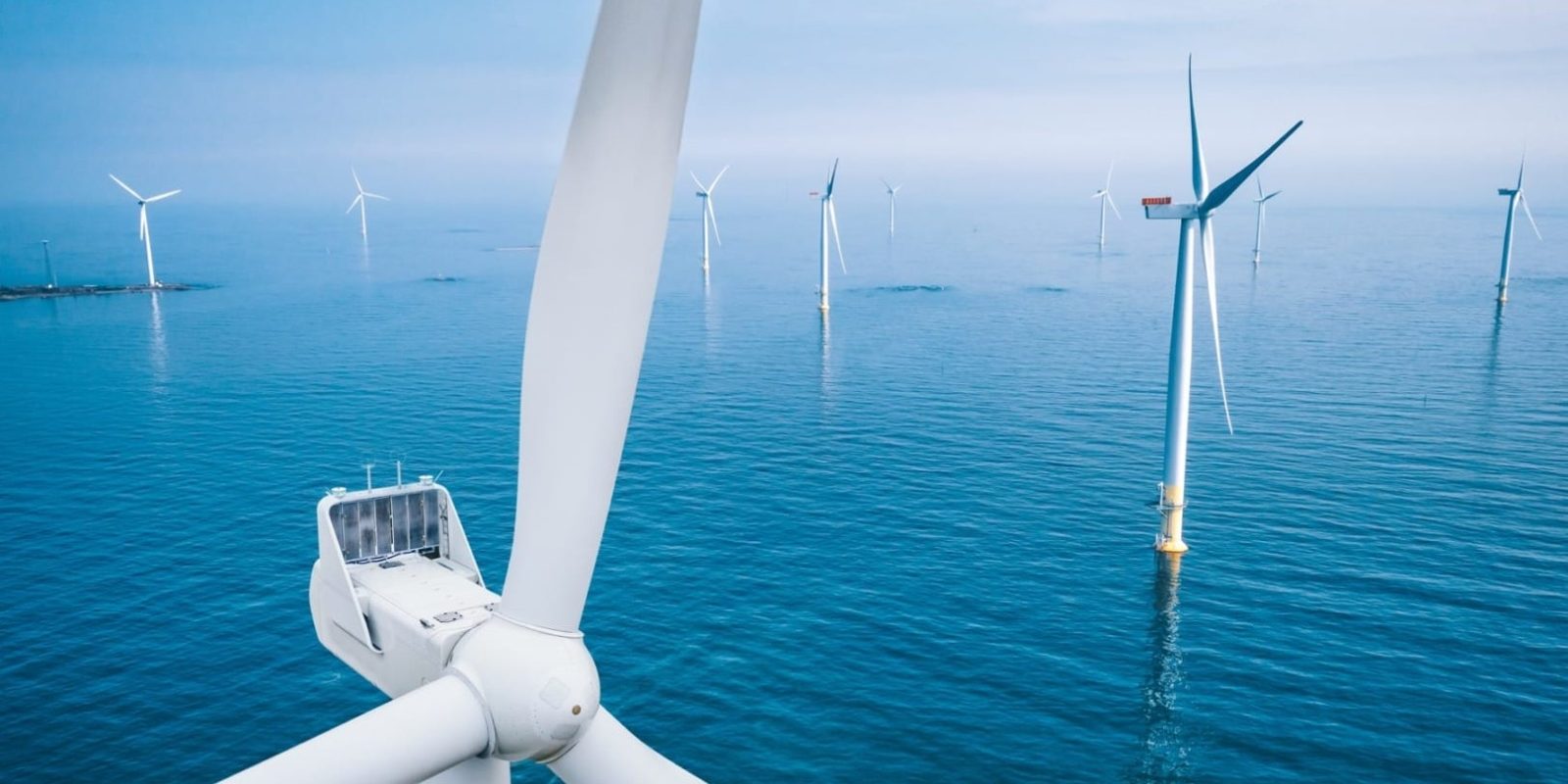
U.S. Interior Department allegedly diverts offshore wind development funds to gas company, compromising clean energy infrastructure critical for EV charging networks.
2 comments
Sign in to join the discussion.
Sign inThis funding diversion creates systemic risk for mobility electrification timelines that safety-critical systems cannot afford. When clean generation capacity gets bottlenecked, grid reliability suffers—and grid instability introduces failure modes that compromise charging infrastructure availability, directly impacting ADAS systems relying on predictable operational states for autonomous fleets. Fleet operators must now factor regulatory capture into resilience planning. If your transition roadmap assumes stable renewables growth, you're engineering to an unreliable baseline. Build redundancy into charging infrastructure, diversify energy sourcing agreements, and model worst-case grid scenarios in your fleet availability calculations. The physics of electrification don't change, but the policy environment just became a tier-one risk in your FMEA.
Federal energy policy instability doesn't just threaten ground transport—it directly compromises the economics of hybrid-electric aviation emerging in regional corridors. Electric aircraft pathfinding for Part 23 certification depend on demonstrable cost advantages from clean electricity at destination airports; volatile fossil-locked pricing erodes the operational case studies regulators need to see before approving scaled production timelines. For regional operators exploring battery-hybrid retrofits or new electric air taxi routes, this signals a need to secure direct renewable PPAs at hub airports now, before certification windows open. Waiting for grid mix improvements means your business case evaporates mid-certification—a risk Lockheed's eVTOL partners learned hedging early in urban test markets.