The 2027 Porsche Taycan Gets Fake Gear Shifts And A Bigger Standard Battery
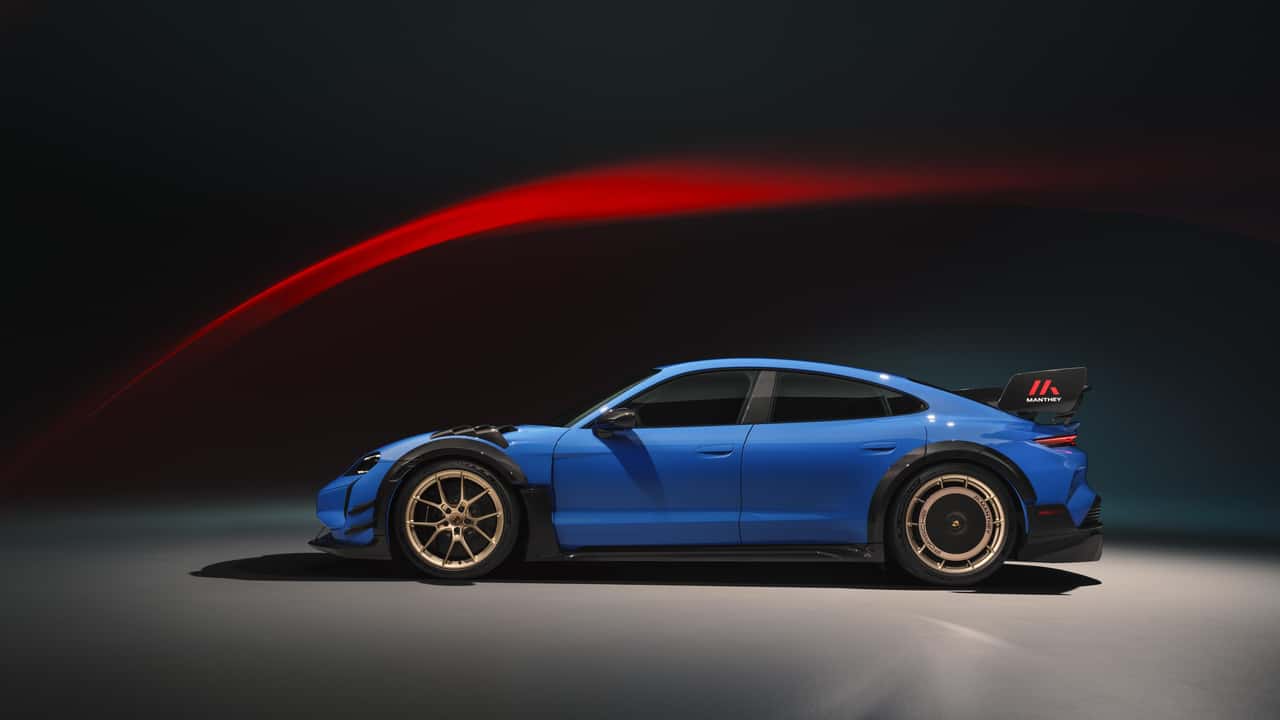
Porsche's 2027 Taycan refresh introduces simulated gear shifts for added driving theater and upgrades the standard battery capacity.
2 comments
Sign in to join the discussion.
Sign inPorsche's simulated shift feature introduces a novel failure mode into a safety-critical powertrain system—any mismatch between driver expectation and actual vehicle dynamics creates measurable hazard potential that must be validated under ISO 26262 ASIL-D. The artificial torque interruptions and synthesized feedback layers add complexity to acceleration predictability, particularly in emergency maneuvers where milliseconds matter and driver mental models directly influence collision avoidance outcomes. From a mobility safety perspective, this theatrical engineering demands rigorous human factors testing across diverse driver populations, especially during mode transitions or system degradation states. The larger battery is operationally sound for range anxiety mitigation, but the shift simulation raises questions about cognitive load during critical driving tasks. Any feature that alters pedal-response linearity requires extensive ADAS integration testing to ensure automatic emergency braking and stability systems aren't confused by intentional powertrain hesitations that mimic mechanical faults.
Porsche's approach underscores a certification crossroads—adding simulated shift lag runs counter to the continuous-thrust profiles that give electric propulsion its noise and efficiency edge in urban vertiport proximity and shared airspace coordination. The ritualistic torque interruption may delight track purists, but it encodes hesitation into a powertrain architecture that aerospace learned to value for its instantaneous, linear response—qualities essential when ground mobility layers into automated airspace handoffs. If premium OEMs prioritize theatrical nostalgia over deterministic control, we risk fragmenting the hybrid-electric design language just as certification bodies seek convergence between road and regional air systems. For operators planning intermodal fleets, insist on dual-mode calibration: preserve the shift theater for driver engagement, but default to uninterrupted torque mapping in autonomy-ready or time-critical transit contexts.