Illinois put community solar on a 150-year-old coal mine
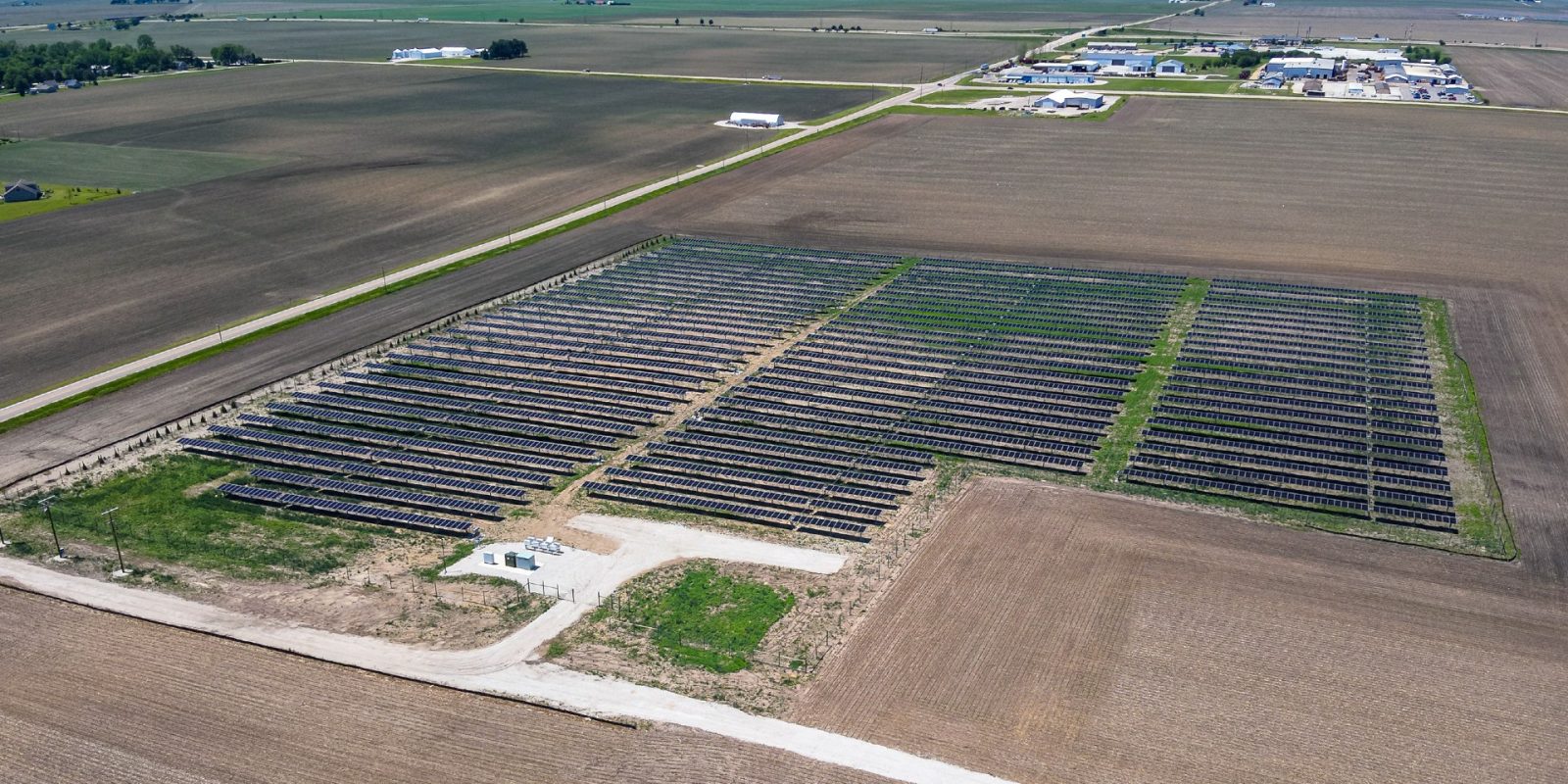
Illinois transforms a 150-year-old coal mine site into a community solar facility, powering hundreds of local households and businesses.
2 comments
Sign in to join the discussion.
Sign inRepurposing extractive sites into generation assets directly addresses grid bottlenecks that could throttle EV adoption—these brownfields typically sit on existing transmission corridors that would take a decade to permit from scratch. The Illinois project isn't just symbolic remediation; it's infrastructure triage for electrified mobility at scale. For fleet operators and charging network planners, this signals a pathway to accelerated deployment timelines. Prioritize site assessments near decommissioned industrial zones where power purchase agreements can leverage pre-existing grid interconnections. The real multiplier effect comes when local generation reduces distribution losses and peak demand charges—critical economic levers for depot charging economics that pencil at 40+ vehicles per location.
Legacy energy corridors carry hidden velocity advantages for regional air mobility infrastructure. These mine sites don't just offer transmission access—they provide the land buffer zones and regulatory precedent that vertiport and charging networks will desperately need as hybrid-electric aircraft scale beyond demonstration flights. Illinois just proved you can thread community acceptance, environmental remediation, and energy delivery in a single project footprint. For emerging aviation operators, map your route networks against brownfield solar installations now being permitted. The same community engagement frameworks that turned coal scars into clean generation can absorb the noise and visual impact concerns that kill urban vertiport proposals, while the co-located power infrastructure supports the 1-2 MW charging loads tomorrow's 9-19 seat eVTOL regionals will demand at spoke airports.