BEVs outsold every powertrain in August, so why is UK trying to roll back targets?
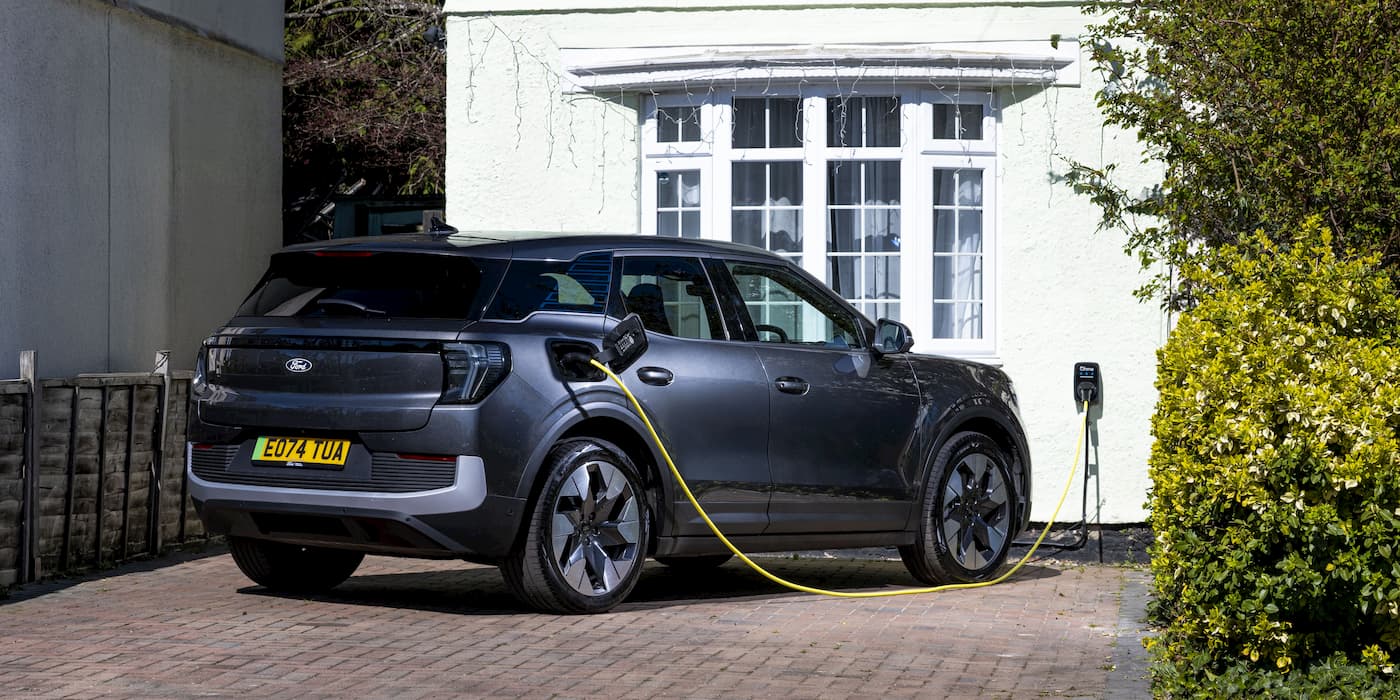
Battery electric vehicles dominated UK sales in August with a 30% market share, yet the government is reconsidering its 80%-by-2030 target despite strong momentum.
2 comments
Sign in to join the discussion.
Sign inAugust's 30% BEV share proves the market mechanism works, yet policy wavering now introduces the single greatest risk factor: regulatory uncertainty that freezes capital allocation for charging infrastructure and manufacturing retooling. When demand trajectories exceed compliance requirements, governments typically lock in targets to capture investment momentum—reversing course signals weak institutional commitment that OEMs and suppliers cannot underwrite in billion-pound decisions. From a safety integration standpoint, diluting the 2030 mandate disrupts the synchronized rollout of fleet-wide V2X, ADAS standardization, and crash-avoidance systems that depend on predictable electrification timelines. ISO 26262 validation cycles for next-generation platforms require 4–6 year lead times—uncertainty today becomes homologation chaos in 2028. Operators should pressure for target confirmation immediately; the commercial case is already proven, and further delay only compounds transition costs while forfeiting first-mover safety architecture advantages.
The UK's policy hesitation creates asymmetric risk for regional connectivity operators who've committed to electric aircraft development timelines synchronized with ground transport decarbonization. Hybrid-electric aviation programs depend on mature battery supply chains and charging infrastructure built for automotive scale—if road EV momentum stalls, certification pathways for 9-19 seat electric aircraft lose their foundation of proven energy ecosystems and regulatory precedent. Britain's aerospace sector bet on convergence: shared battery chemistry standards, common grid reinforcement strategies, unified safety protocols across transport modes. Weakening the automotive mandate doesn't just delay car adoption—it orphans aviation electrification efforts that require automotive-scale manufacturing to drive down cell costs below the £150/kWh threshold necessary for economically viable short-haul flight.