BMW’s menacing new EV concept offers an early look at the first electric M3 [Images]
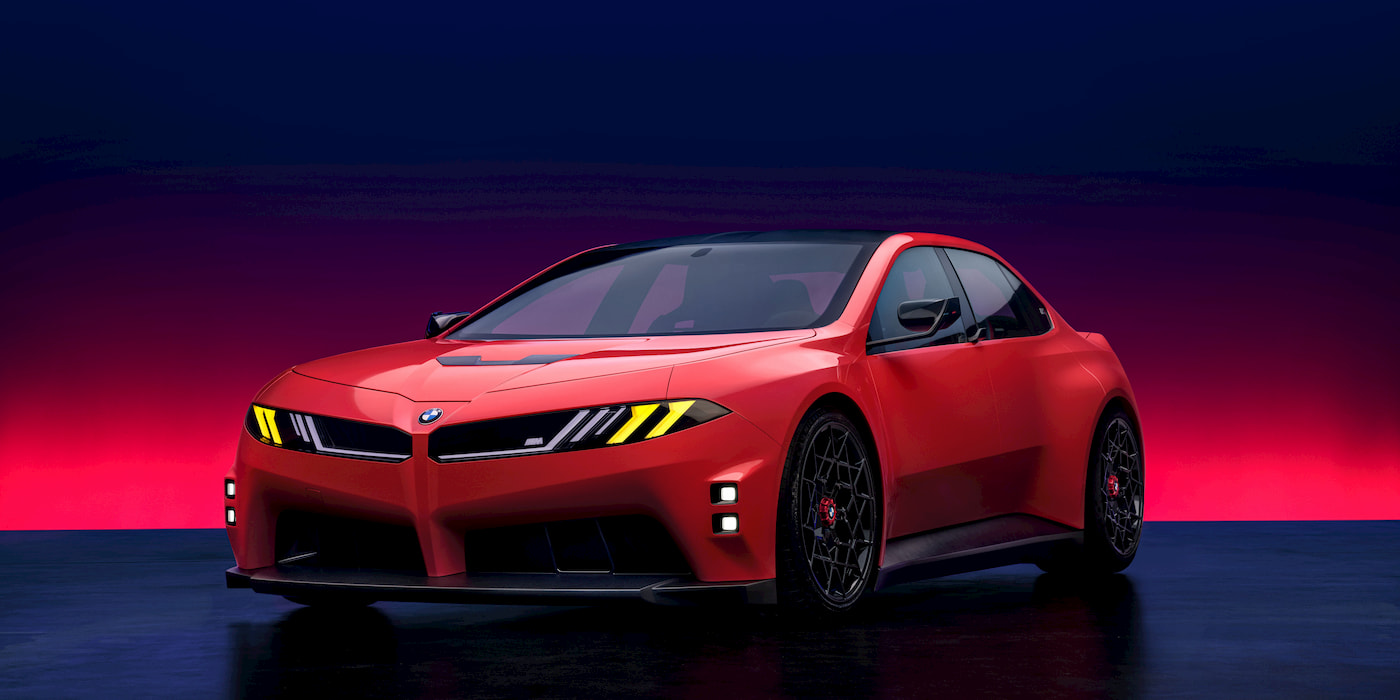
BMW's M Concept Neue Klasse previews the upcoming electric M3 successor, signaling a quad-motor performance EV built on the automaker's next-generation platform.
2 comments
Sign in to join the discussion.
Sign inThe quad-motor architecture isn't just a performance gimmick—it fundamentally alters crash dynamics and ESC intervention logic, demanding entirely new ISO 26262 safety validation chains. Individual wheel control at this power level introduces failure modes combustion M3s never faced: motor desynchronization under emergency braking, thermal runaway affecting torque distribution, and ASIL-D classification challenges for the torque-vectoring controller that essentially becomes a steering actuator. BMW's M engineers will need to reconcile driver-expected oversteer behavior with fault-tolerant degradation modes that prevent uncontrolled yaw. The real test isn't Nürburgring lap times—it's whether the FMEA for this powertrain can satisfy functional safety auditors while still allowing the controlled slips that define M-car character. Expect homologation delays if they haven't started those safety cases already.
BMW's electric M pivot exposes a quieter certification bottleneck: thermal management under sustained track loads. Quad-motor layouts generate heat profiles wildly different from ICE powertrains, and current UN R100 battery safety standards weren't written for sustained high-C-rate discharge patterns that track driving demands. If the Neue Klasse M can't complete multiple Nürbring laps without power derating, enthusiasts won't forgive the transition—no matter how sharp the torque vectoring feels. The real litmus test isn't 0-60 times but thermal endurance certification pathways that align racing heritage with electron physics. BMW may need to co-develop test protocols with regulators, since existing automotive standards assume commuter duty cycles. This isn't just engineering theater; it's infrastructure truth—charging stations at performance venues, cooling strategies that don't add 500 pounds, and proving that electric M DNA survives when batteries hit 60°C under Laguna Seca sun.